DCS: robert e. howard

barbarian
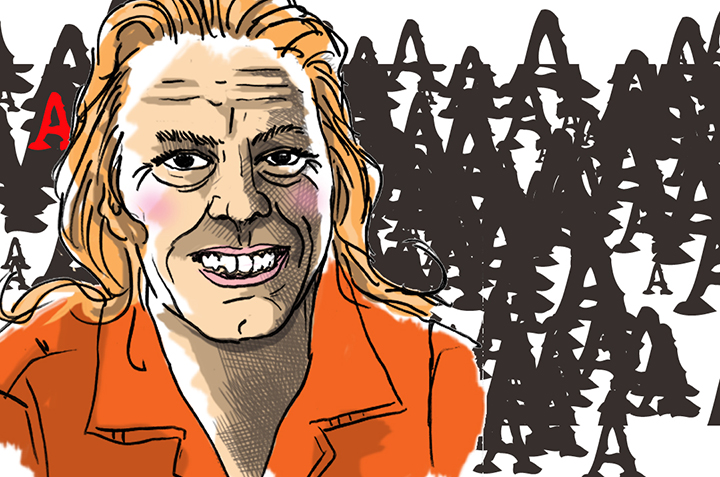
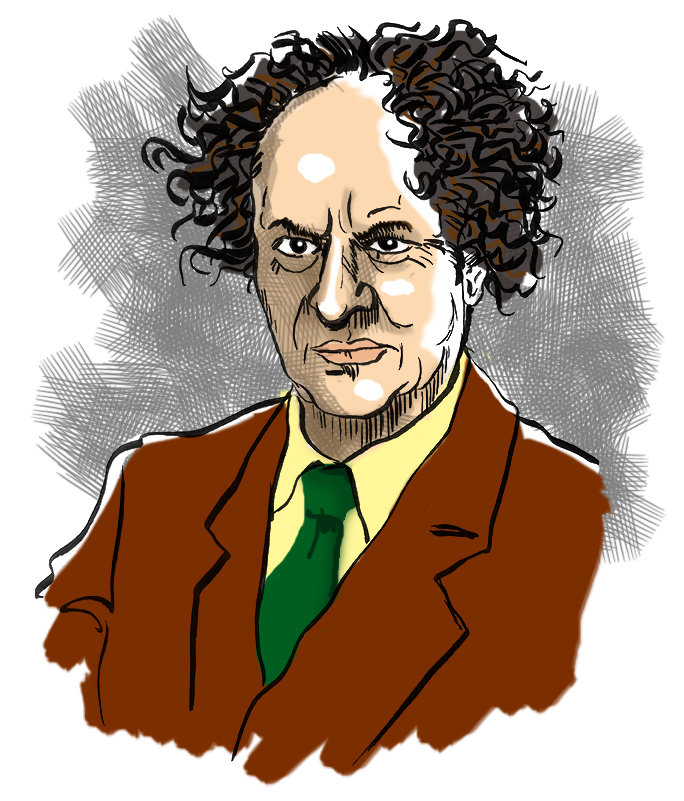
Robert E. Howard spent a good portion of his youth traveling through the boomtowns of Texas with his family. His father, a physician, moved from town to town for patients in the early part of the 20th Century. Young Robert was a quiet, studious boy who loved reading as well as boxing, the most popular sport in the country at the time. He was a fan of adventure writer Jack London and marveled at his tales of the outdoors and all things stereotypically masculine. Robert tried his hand at writing, taking his inspiration from a copy of the pulp periodical Adventure Magazine. With the encouragement of a teacher, he submitted a story to the magazine, which was promptly rejected. Robert never forgot that rejection and subconsciously carried the criticism with him for the rest of his life.

In 1924, nineteen-year-old Robert sold his first story to another pulp magazine Weird Tales. It was soon followed by more.  His stories were filled with sword battles and brutal struggles for supremacy among imaginary primitive civilizations, often taking on blatant racist themes. At twenty, his story “Wolfshead” made the cover of Weird Tales, relating the tale of a werewolf loose among 18th Century Portugal. Robert moved towards the budding “sword and sorcery” genre, creating a series of stories about Kull, a barbarian and Solomon Kane, a vengeful Puritan. These characters appeared in several tales and were fairly popular.

In 1930, Robert wrote a letter of admiration to noted horror/fantasy writer H.P. Lovecraft. Lovecraft replied and Robert was welcomed into the author’s inner circle of friends. A few years later, Robert began to flesh out the fantasy land of Cimmeria and its most prominent inhabitant – Conan the Cimmerian (known , more often, as Conan the Barbarian). Robert recycled an unpublished Kull story into the first Conan story. Robert began to churn out story after story about Conan, finishing nine before the first one was published. The series was well received and Robert continued writing Conan stories, along with unrelated science fiction and fantasy stories. He attempted to write a Conan novel on three different occasions, giving up halfway through each. He finally finished the only Conan novel, The Hour of the Dragon, although it did not see publication until 1950.

Robert began to grow weary of Conan, wishing to concentrate on Western stories, based on a new obsession with the history of his native Texas. By 1935, he had fully devoted his writing to Westerns.

On June 10, 1936, Robert purchased burial plots for his mother, father and himself. His mother had been suffering from tuberculosis for some time and it was apparent that she was nearing death. On the morning of June 11, 1936, Robert asked one of his mother’s nurses, if she would ever regain consciousness. When she told him “no,” Robert walked out to his car in the driveway, took a pistol from the glove compartment, and shot himself in the head.

Robert was 30 years old.

Comments

comments

DCS: emmaline henry

I'm gonna take you by surprise And make you realize, Amanda

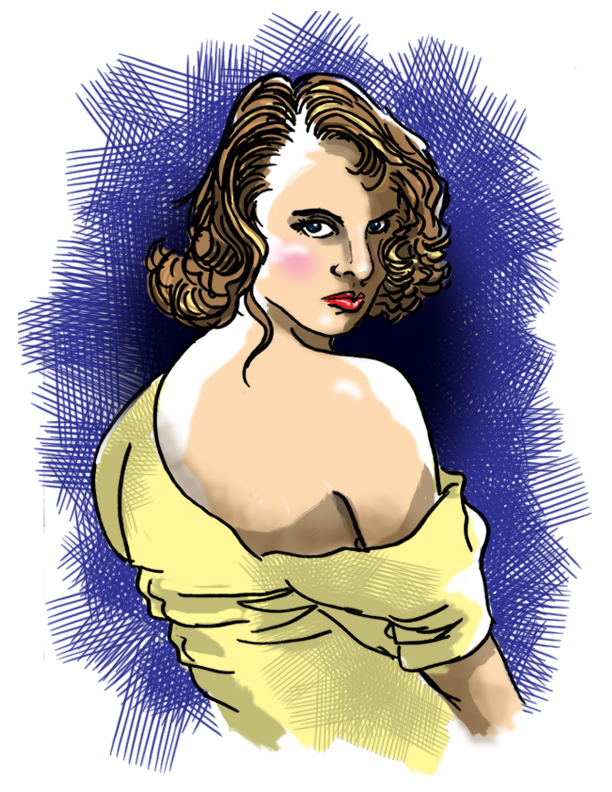
Emmaline Henry began her career as a singer on local Philadelphia radio before heading to Hollywood in the 1950s. She got work in the chorus of several musicals. Producers, though, began to notice that her skills at comedy outshined her singing abilities. She was featured in the touring company of the Phil Silvers musical comedy Top Banana and later Emmaline replaced Carol Channing in the play Gentelmen Prefer Blondes.

Emmaline made the jump to television with numerous guest appearances on shows like The Munsters, Petticoat Junction and  The Red Skelton Show. In 1964, she was cast as John Astin’s wife on the sitcom I’m Dickens, He’s Fenster until the series cancellation after two seasons. She appeared as Mickey Rooney’s wife on the short-lived sitcom Mickey soon afterwards.

After a first season role on I Dream of Jeannie, Emmaline caught the eye of series creator Sidney Sheldon and was given the regular role of “Amanda Bellows,” wife of the ever-suspicious Dr. Bellows on the show. Sheldon noted that Emmaline was “a good actress and very easy to work with.”

After I Dream of Jeannie ended its run in 1970, Emmaline landed small, sometimes uncredited, roles in theatrical films, including Rosemary’s Baby, Divorce American Style and Harrad Summer. She continued to make television appearances including the mini-series Backstairs at the White House. She was up for a possible recurring role as Chrissy’s boss on the popular sitcom Three’s Company, although it never panned out.

In 1979, Emmaline was diagnosed with an inoperable brain tumor. She passed away in October of that year, just a few weeks after the broadcast of her final filmed role on an episode of Eight is Enough. She was 50 years old.

Comments

comments

DCS: john candy

those aren't pillows

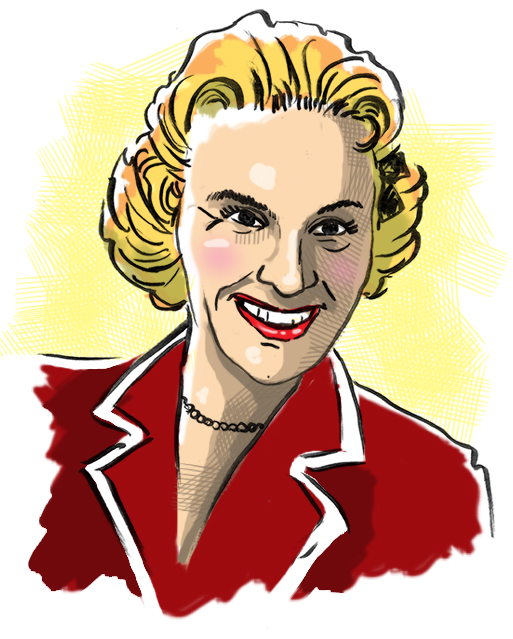
Following a few small, uncredited film roles, John Candy came into prominence with his comic talents in Canada’s SCTV, a skit-based version of the respected Second City comedy group. Portraying such memorable (and hysterical) characters as horror host “Dr. Tongue,” sleazy “Johnny LaRue,” folksy fishin’ musician “Gil Fisher” and talk-show sidekick “William B. Williams,” John was one of the most popular cast members on the show. He gave inspired celebrity impersonations as well, mocking such diverse names as Jerry Mathers, Ed Asner, Luciano Pavarotti, Don Rickles and Curly Howard. His talents soon led to a career in movies.

John was cast in Steven Spielberg’s comedy war epic 1941, and The Blues Brothers, alongside Dan Aykroyd and John Belushi. He joined Bill Murray in Stripes and Chevy Chase in National Lampoon’s Vacation. John hosted Saturday Night Live in 1983, but, according to comedian/writer Bob Odenkirk, John was the “most-burned potential host” of SNL, in that he was asked to host many times, only to be told “no thanks” by the staff at the last minute.

The 80s were a busy decade for John, with roles in over a dozen films, including some of his biggest hits like Splash, Planes, Trains and Automobiles, Summer Rental and Uncle Buck. In the 90s, he suffered a few rare bombs, but rebounded with a critically-acclaimed dramatic turn in Oliver Stone’s JFK. His final completed role was “Red Feather,” a turkey in the animated Disney film Pocahontas, a role that was specifically written for him. After John’s death, the character was cut from the film.

John died from a heart attack while filming Wagons East in Mexico. He was only 43 years old. The film was released posthumously, but his death left several projects in negotiation, including big screen versions of John Kennedy Toole’s satiric novel Confederacy of Dunces, Mordecai Richler’s social commentary The Incomparable Atuk and a biopic of Roscoe “Fatty” Arbuckle. In Hollywood circles, these projects have been referred to as “cursed” because Candy, John Belushi, Sam Kinison and Chris Farley were each attached to all three roles, but they all died at early ages before these films could be made.

Comments

comments