
DCS: audrey munson
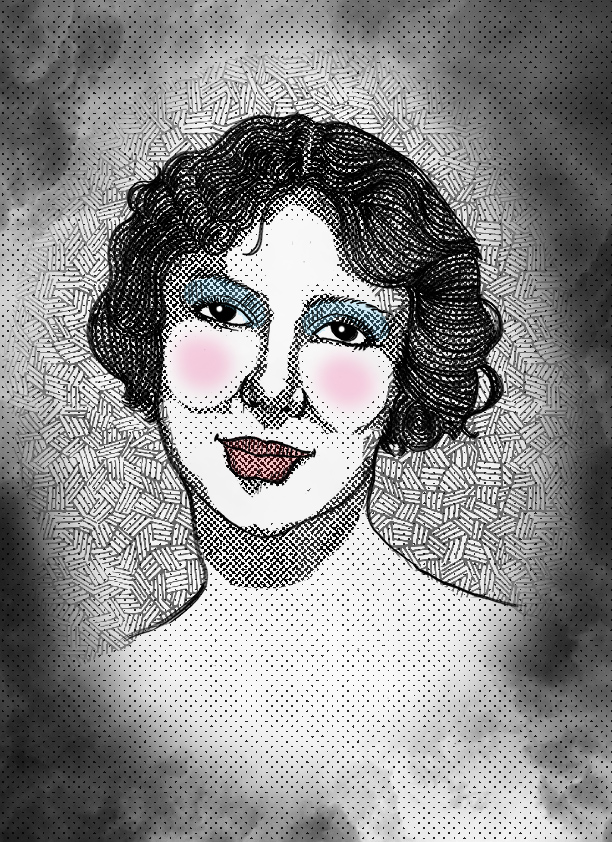
Photographer Felix Benedict Herzog — the first to have his photographs accepted as “art” — spotted 17 year-old Audrey Munson window-shopping with her mother on Manhattan’s Fifth Avenue. He introduced the teen to his friends and colleagues in the New York art society. Soon, Audrey was an in-demand artist’s model — posing for photographs, paintings and sculptures.
After being persuaded to pose nude, Audrey became the model for numerous sculptures on display throughout the country. For the magnificent Three Graces, on public display in the Grand Ballroom at the Hotel Astor in Times Square, Audrey was the model for all three depicted figures. She was the subject of nearly all of Alexander Stirling Calder’s sculpted figures created for the Panama–Pacific International Exposition held in San Francisco in 1915. Audrey even posed for Charles Dana Gibson as one of his celebrated “Gibson Girls.”
Audrey’s notoriety led to a film career. She became one of the very first actress to appear nude in mainstream film, beginning with the drama Inspiration in 1915. Her films were confounding to censors, forcing them to allow the films under the classification of “art,” lest they begin banning Renaissance artwork, as well.
A prominent Manhattan doctor was taken by Audrey’s beauty and popularity. He murdered his wife in an effort to make himself available to the young actress/model. After his arrest, Audrey denied any sort of relationship with the doctor when questioned by police. The doctor received a death sentence as a result of a trial, but he hanged himself in prison prior to his execution.
Audrey became the subject of a number of publicity stunts, including posing with a bogus $27,500 check to promote her latest film. She also was involved in a nationwide search for “the perfect man” to marry. The search was called off when she announced that she was not ready for matrimony. Publicity tours, acting and modeling soon took a toll on Audrey’s physical and mental heath. She attempted suicide in 1921, but was unsuccessful. However, her mother petitioned to have Audrey committed to an asylum in 1931, citing erratic behavior and mental issues. She was placed in the St. Lawrence State Hospital for the Insane in Ogdensburg, New York, where she was treated for depression and schizophrenia. Audrey remained in the facility for 65 years, until her death in 1996 at the age of 104. She went for decades without a visitor.
Comments
retro movies that never were 56
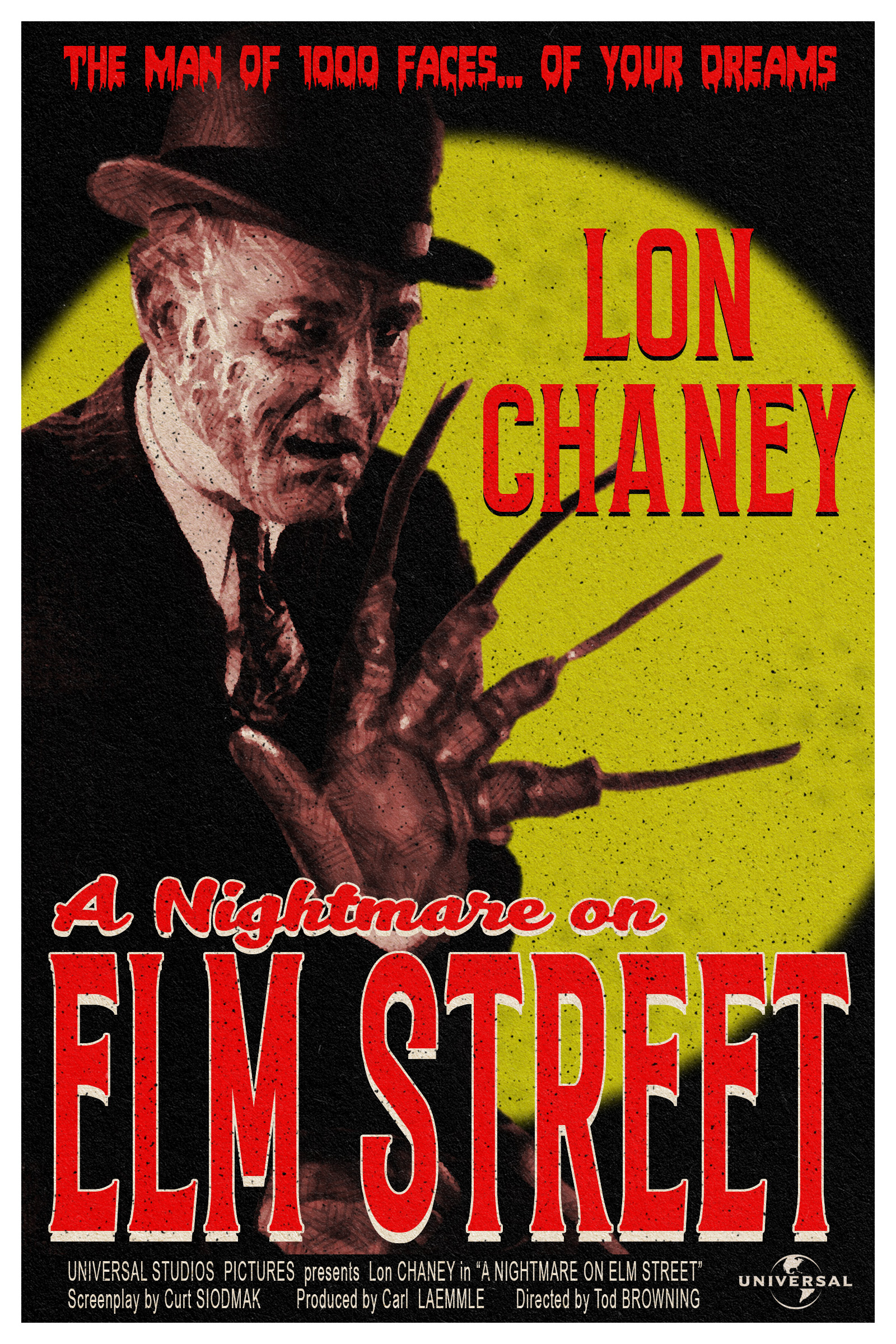
What if your dreams were silent?
Comments
inktober52: angel
Comments
DCS: john hughes
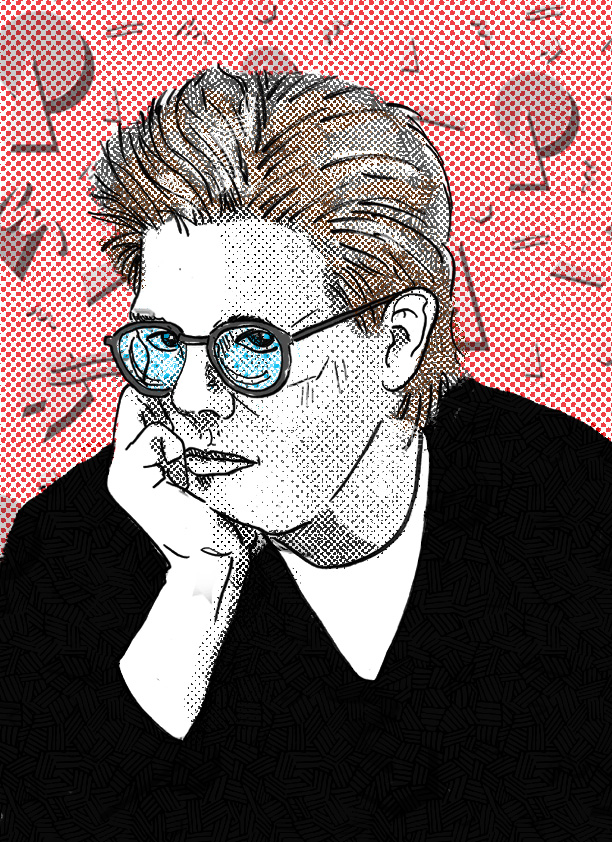
John Hughes was a pioneering and influential filmmaker whose output dominated movie screens throughout the 1980s. With his directorial debut Sixteen Candles, John kicked off his signature style of portraying teen angst in an open, realistic and often humorous fashion. Thanks to the inspired casting of sixteen-year old Molly Ringwald, Sixteen Candles spawned other teen-centric films, including The Breakfast Club, Pretty in Pink, Weird Science, Ferris Bueller’s Day Off and others. He branched out with more adult-oriented projects like Planes, Trains and Automobiles, She’s Having a Baby and the Home Alone series, as well as a retelling of his 1979 National Lampoon article about a vacation he took with his own family — which was the basis for National Lampoon’s Vacation and its sequels.
Ringwald’s film relationship with John abruptly ended after she turned down a role in his film Some Kind of Wonderful. She was scheduled for one more project with John, entitled Oil & Vinegar, but it was scrapped when he refused a studio-required rewrite. Ringwald reflected on her career with John with mixed emotions, expressing gratitude, but also noting that his scripts were fraught with sexism, racism and homophobia. She went on to say that she was puzzled by the sensitivity, care and insight expressed in his writing, yet it was often punctuated by blatantly sexist and offensive lines masquerading as jokes.
John Hughes passed away unexpectedly in August 2009 at the age of 59. He left a body of work that was both beloved and controversial — depending on how you look at it.
Comments
retro movies that never were 55
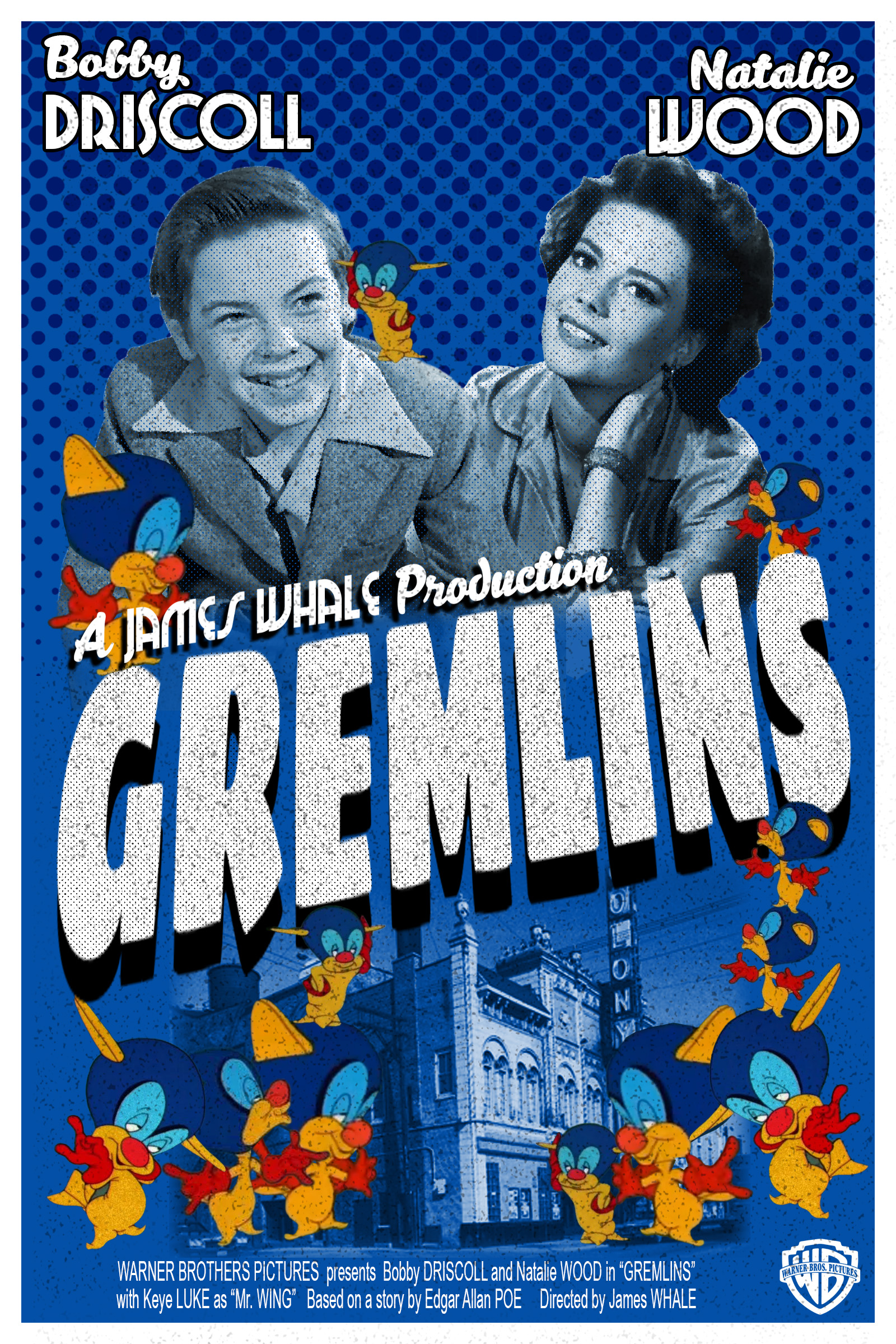
What if you couldn’t feed ’em or get ’em wet during war rations?
Comments
inktober52: tranquil
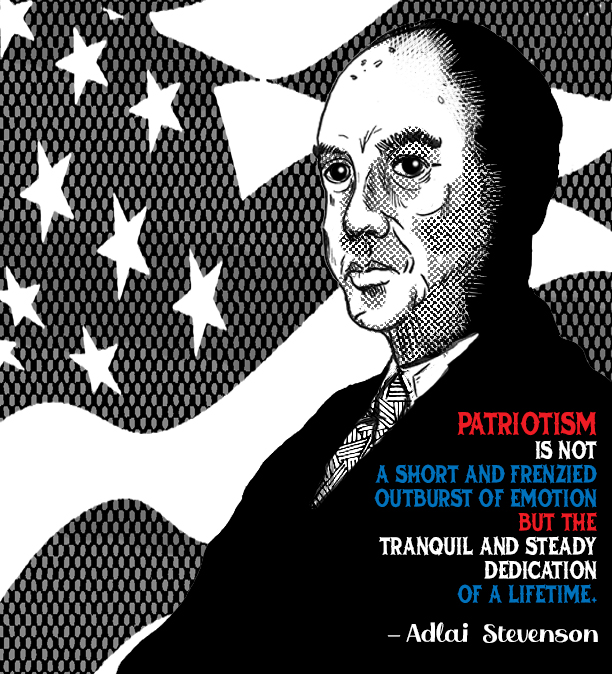
Adlai Stevenson served as governor of Illinois from 1949 until 1953. During his term, he fought to rid local government, government services and law enforcement of all corrupt practices. In the thick of the so-called “Red Scare,” Stevenson vetoed a bill that would have “made it a felony to belong to any subversive group”, and would have required “a loyalty oath of public employees and candidates for office.” Stevenson found the wording and sentiment of the bill preposterous, noting: “Does anyone seriously think that a real traitor will hesitate to sign a loyalty oath?” He was a vocal critic of the Communist-hunting tactics of Senator Joseph McCarthy, labeling McCarthy’s idea of patriotism as “a disgrace”
He ran for president twice and was defeated twice — both times by Dwight Eisenhower in landslide elections. He sought the Democratic nomination a third time in 1960, but the party went with John Kennedy instead. After Kennedy was elected, the new president appointed Adlai Stevenson as the United States Ambassador to the United Nations. Stevenson held the position until his sudden death in 1965.
Adlai Stevenson loved his country and knew the meaning of “patriotism” … something today’s politicians could use a lesson in.
Comments
DCS: hugh masekela
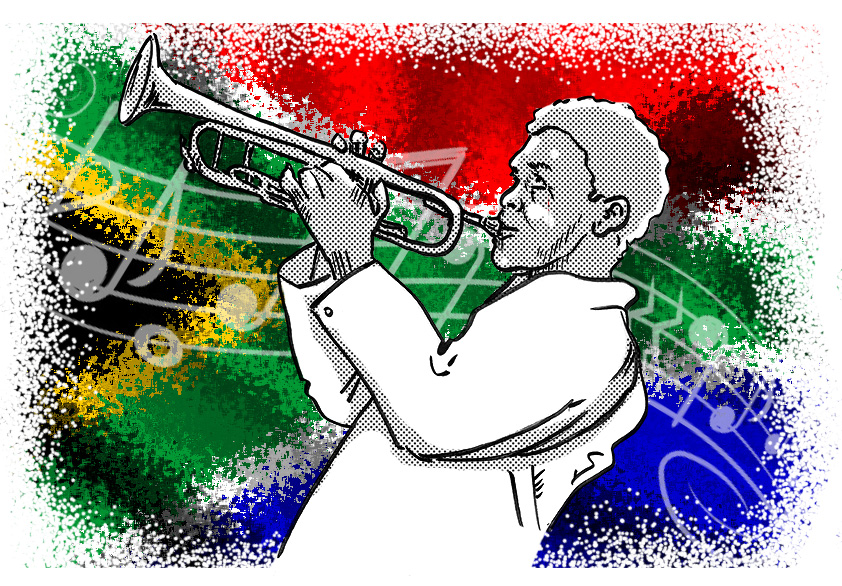
14 year-old Hugh Masekela was inspired to pick up a trumpet after seeing Kirk Douglas in the 1950 film Young Man with a Horn. He sought out someone to teach him to play with the help and guidance of his friend, Johannesburg Archbishop Trevor Huddleston. Soon, Hugh was writing music that was reflective of his turbulent surroundings.
At 20, he formed an ensemble called Jazz Epistles and they recorded the first album by an African jazz band. The Jazz Epistles toured for a year, until the 1960 Sharpeville massacre — where nearly 70 protestors were shot to death. The South African government banned gatherings of ten or more people, prompting Hugh to flee the country. He headed to England and then the United States, where he was befriended by singer/actor Harry Belafonte. Hugh took classes at the prestigious Manhattan School of Music, honing his already-superior trumpet skills.
In 1967, Hugh released a jazz-inflected take on “Up Up and Away” and followed it up with his version of “Grazing in the Grass.” He scored a major hit with “Grazing in the Grass” — selling over four million copies — and was invited to perform at the 1967 Monterey Pop Festival. Later, Hugh was instrumental in organizing “Zaire 74,” a music festival centered around the “Rumble in the Jungle” boxing match between George Foreman and Muhammad Ali. Hugh lent his inimitable sound to The Byrds on “So You Want to Be a Rock ‘n’ Roll Star,” as well as Paul Simon’s “Further to Fly.” Hugh was asked to open shows for Simon on his Graceland worldwide tour.
Hugh continued to explore different types of African music, experimenting and mixing it all together to form his own unique sound that was constantly evolving. In his 70s, Hugh played with The Dave Matthews Band during a concert in Johannesburg. In 2016, Hugh reunited with his Jazz Epistles bandmate Abdullah Ibrahim, performing together for the first time in 60 years.
Hugh was diagnosed with prostate cancer and succumbed to the illness in January 2018 at the age of 78.
Comments
DCS: dusty hill
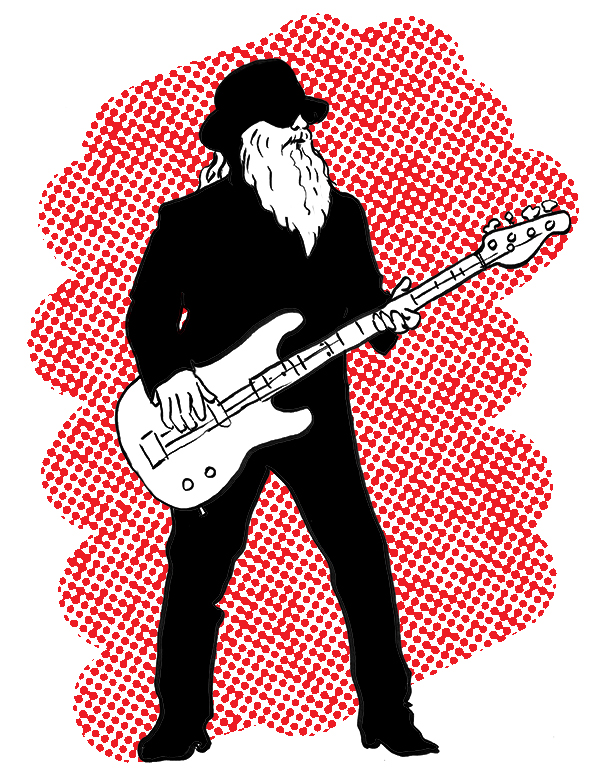
ZZ Top is one of the few bands in rock & roll history to feature the same personnel lineup for its 52 years of existence. Founded in 1969 by Frank Beard, Dusty Hill and Billy Gibbons, ZZ Top, the “Little Ol’ Band from Texas” as they are affectionately known, enjoyed a lengthy career, filled with hit records, acclaimed videos and raucous live performances — plus a legion of dedicated fans.
On July 23, 2021, Dusty Hill did not make the stage for a show in New Lenox, Illinois. Prior to showtime, it was announced that the venerable bassist was headed home to deal with a “hip ailment.” He was expected to make a speedy recovery and rejoin his bandmates as soon as he could. The band’s longtime guitar tech Elwood Francis filled in on bass for the performance.
On July 28, 2021 — just five days later — Dusty Hill passed away in his sleep. He was 72.
Comments
retro movies that never were 54
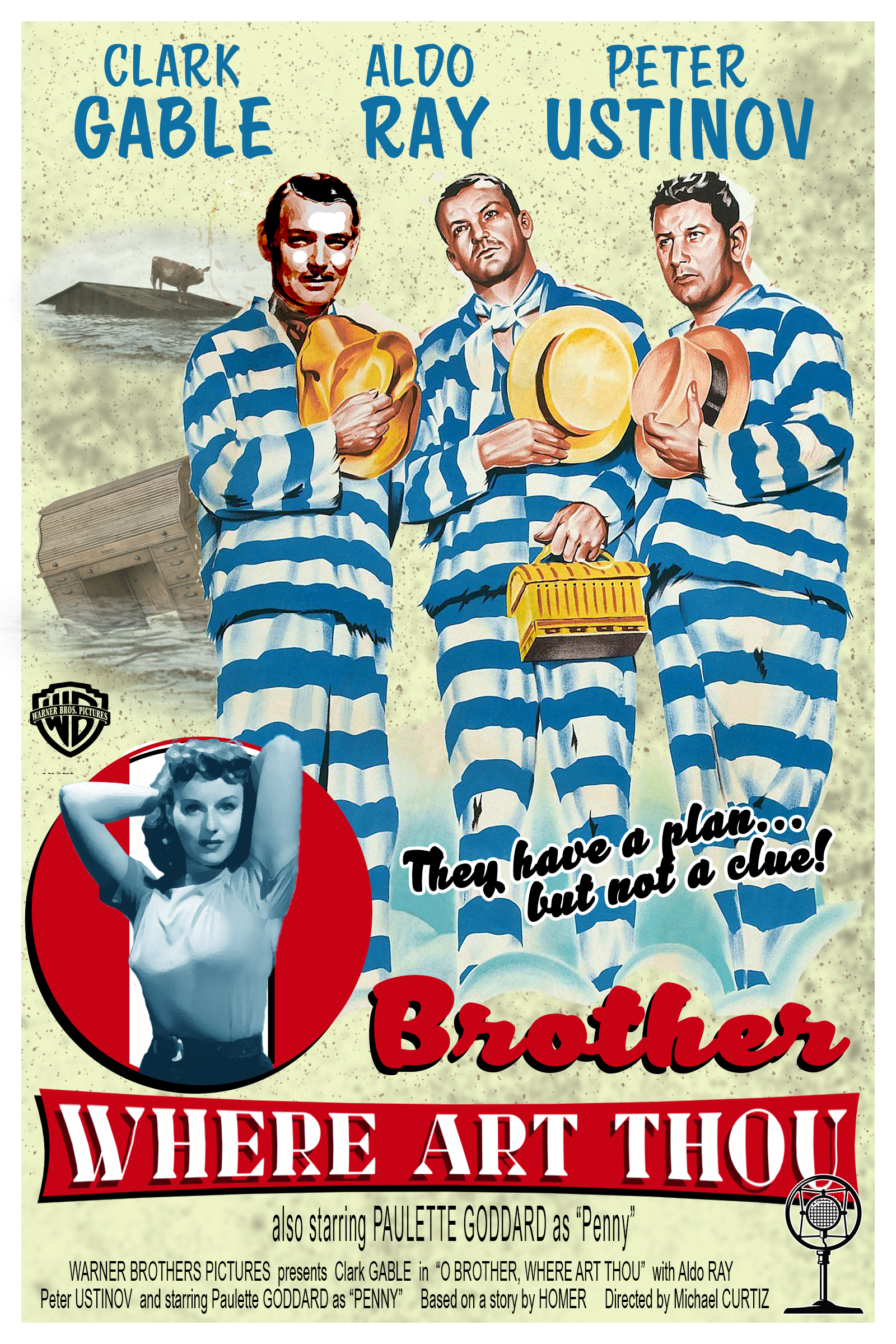
What if the ‘constant sorrow’ began in 1942?