inktober52: monster

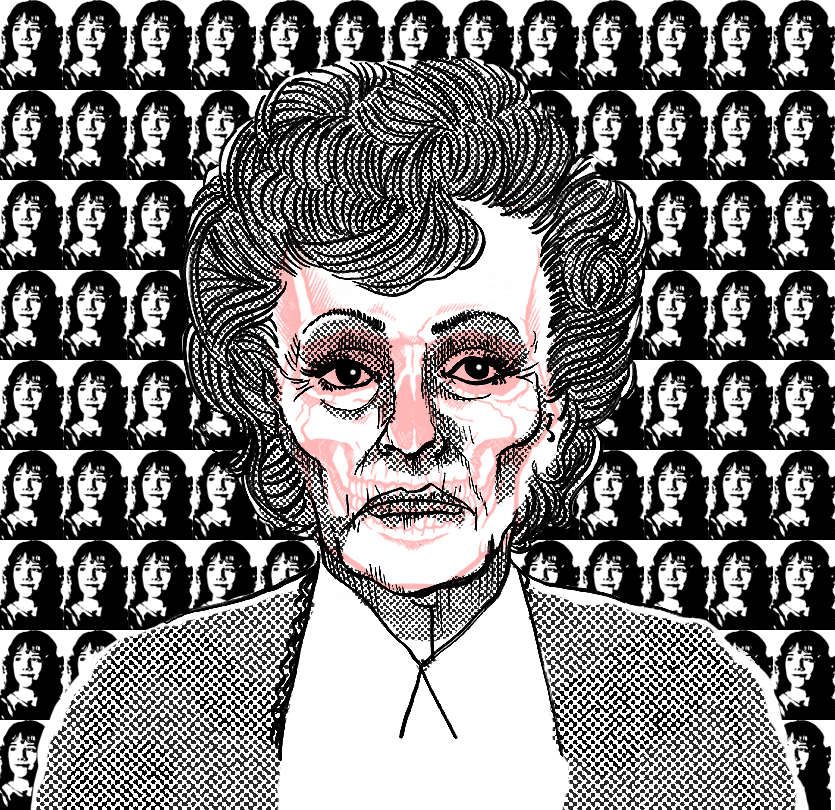
Gertrude Baniszewski was a monster in the truest sense of the word. Over a period of three months in 1965, Gertrude tortured, and eventually murdered Sylvia Likens, the 16-year-old daughter of two acquaintances she was charged with watching over while the couple traveled with a carnival. The details of what Gertrude did to young Sylvia — both physically and mentally — are horrendous. Descriptions of the heinous nature of the crime are readily available on various websites across the internet… so I will not elaborate.

Gertrude was eventually arrested. At her trial, she denied everything and put the blame on her children. The jury wasn’t convinced and Gertrude was sentenced to life in prison. Her conduct in prison was described as “exemplary” and she was referred to as a “model prisoner.” Gertrude was released on parole in 1985. She changed her name and lived as a recluse until her death from lung cancer in 1990.

Gertrude’s release from prison was the second crime of which Sylvia Likens was a victim.

Gertrude Baniszewski was a monster.

Comments

comments

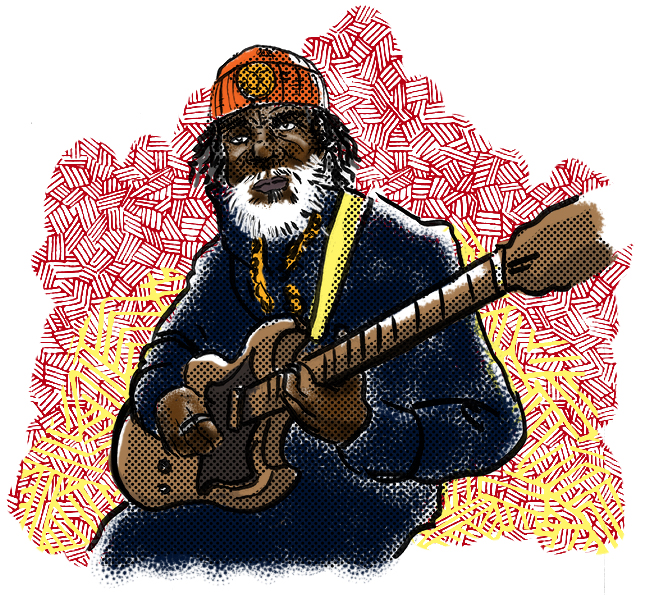
DCS: sterling magee

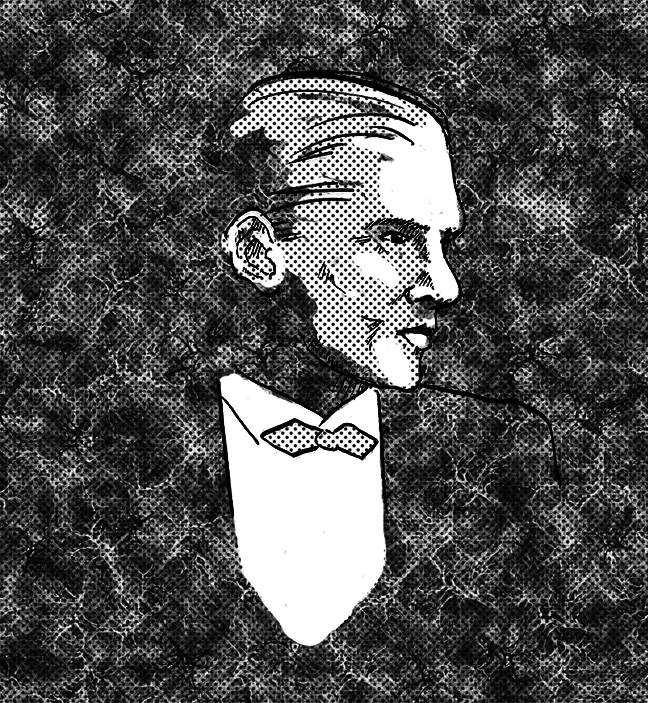
Sterling Magee was a session guitarist in the 1960s, playing on recordings by Ray Charles, James Brown, King Curtis and Marvin Gaye. He also released a few solo recordings on Ray Charles’ record label. But, Sterling walked away from it all, angered by the way black musicians were treated in the music industry.

Sterling landed in Harlem and began playing on the corner of 114th Street and Broadway, near the famed Apollo Theater. He played guitar and supplemented his sound with a high-hat drum, which he rigged to play with his foot. Sterling adopted a new name to go with his new musical direction. He called himself “Mr. Satan.”

In the late 80s, Adam Gussow, an English Masters student at Columbia, saw Sterling performing while on his way to the Apollo. He asked the musician if he could join him on harmonica. Sterling obliged and their collaboration became a regular occurrence. Soon, their street act caught the attention of a film crew, in New York to document U2’s performances. The thirty-nine seconds of Sterling’s tune “Freedom for My People” that was included in the U2 documentary Rattle and Hum led to Satan and Adam signing their own recording contract with Rhino Records. The unlikely pair released albums and toured the world, playing music festivals and spanning genres with their blend of blues, R&B, funk and gospel. They separated several times throughout the course of their partnership, but returned and regrouped to perform again.

In 1998, Sterling relocated to Virginia. He suffered a nervous breakdown and disappeared from public performances. Adam Gussow became a professor of English and Southern studies at the University of Mississippi. In 2000, Sterling surfaced at an adult care facility near St. Petersburg, Florida. His guitar skills, which had vanished after his breakdown, slowly returned. He joined up with Gussow and a Tampa drummer and the newly formed trio performed live once again. Gussow released a collection of early Satan and Adam recordings in celebration of their reemergence. Another new album followed, as well as an appearance at Jazzfest in New Orleans, a return engagement for the duo for the first time since 1991. Their history was chronicled in a 2019 Netfilx documentary.

On September 6, 2020, Sterling Magee — Mr. Satan — succumbed to complications related to COVID-19. He was 84 years old.

Comments

comments

DCS: falco

Johann Hölzel was determined to be a pop star. Exhibiting a natural musical talent, young Johann began playing in various bands in the Vienna Underground music scene. Bucking trends set by the crowds, Johann presented a clean-cut image, sporting short hair, dark glasses and stylish clothing. He played bass under the stage name “John DiFalco” and soon shortening it to just “Falco.” One night in 1981, he was performing his compositions “Ganz Wien” (“All of Vienna”) at a concert to promote drug prevention, when he received an offer to sign a recording contract. Ironically, the song contains the line “All Vienna is on heroin today.”

Falco had difficulty with his first single. He wanted it to be “Helden von heute” (“Heroes of Today”), but his record label insisted on the B-side, a catchy tune that included a rap, entitled “Der Kommissar.” The song failed to chart in the United States and Great Britain. But a British group called After the Fire covered the song in English and American singer Laura Branigan recorded it with different words and a different title. “Der Kommissar” found a new audience in the wake of these two versions and became a latent hit. However, his follow-up failed to chart.

In 1986, inspired by the success of Oscar-winning film Amadeus, Falco wrote and recorded “Rock Me Amadeus.” It became an international hit, reaching Number One on over a dozen charts worldwide. It also earned Falco the distinction of being the first male rap artist to score a Number 1 hit in the US. His next two singles, “Vienna Calling” and “Jeanny” were also well received, although “Jeanny,” which was sung entirely in German, was controversial in its subject matter. It depicted a rape from the point of view of the rapist. With the inclusion of three popular songs, Falco’s album Falco 3 was critically praised.

Falco enjoyed continued success in Europe while his popularity in the United States waned. He released a follow-up to “Jeanny” that failed to chart and a comeback in the US was also a failure. Falco moved to the Dominican Republic in the early 1990s, while he worked on another proposed comeback album, Out of the Dark (Into the Light).

Just 13 days before his 41st birthday, Falco was killed when his Mitsubishi SUV collided with a bus on a narrow road between the Dominican towns of Villa Montellano and Puerto Plata.

Comments

comments

DCS: hank aaron

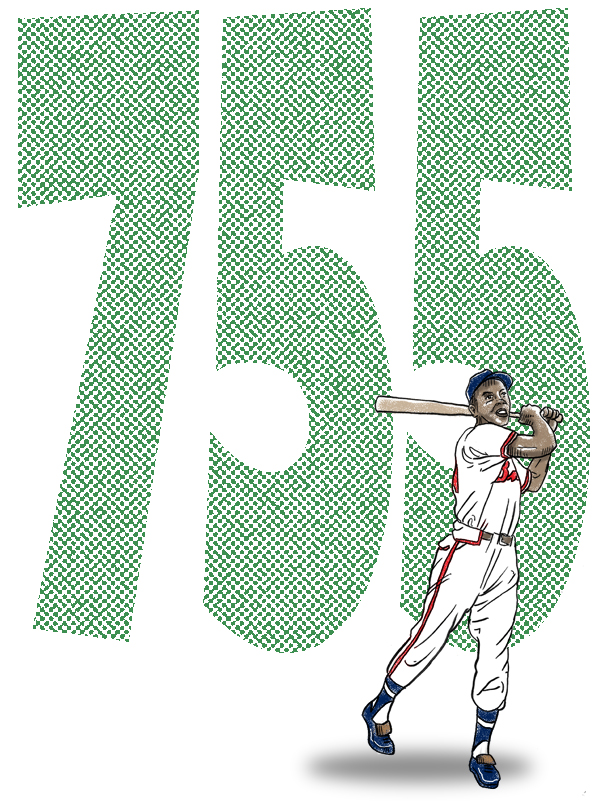
Veterans Stadium was the home of the Philadelphia Phillies from 1971 until yielding the title to beautiful Citizens Bank Park in 2004. Veterans Stadium was anything but beautiful, however, I did get to see some of baseball’s immortal players at that hell hole. One of those players was the legendary Hank Aaron. He was one of the last connections to the celebrated glory days of baseball heroes that I actually got to see play.

I remember it was a bright Sunday afternoon and the Braves were in town to have their chance at stomping all over the notoriously awful Phillies of the 1970s. Hank Aaron wasn’t in the announced starting lineup — much to the collective disappointment of the crowd. The stadium was unusually crowded that day. Not for the Phillies, though. No, everyone was there to catch a glimpse of “Hammerin’ Hank” as he slowly, but surely, chipped away at Babe Ruth‘s home run record — a record previously deemed unapproachable.

As the game wound down to late innings, Hank Aaron made a plate appearance as a pinch hitter. I don’t remember how he fared, but I do remember a lengthy standing ovation — one he acknowledged with a tip of his hat.

Hank Aaron was one of the last of a breed. A role model for kids who rifled through wax-wrapped packages of baseball cards. An unassuming champion who pursued — and broke — a long-standing record held by another legend. A class act — beloved by fans and rivals alike, unencumbered by scandal or controversy.

When Hank Aaron’s lifetime homerun record was shattered by Barry Bonds, it wasn’t the same. It didn’t hold the same excitement as when Hank Aaron overtook Babe Ruth. Aaron and Ruth were part of a mythical club, filled with facts and figures, evolving rules and stories with characters that stood alongside Paul Bunyan and Pecos Bill. It was a time devoid of chemical enhancement — aside from the brewed and foamy kind.

Hank Aaron passed away today at the age of 86. He took with him one more piece of the “Golden Age of Baseball.”

Comments

comments

DCS: kyu sakamoto

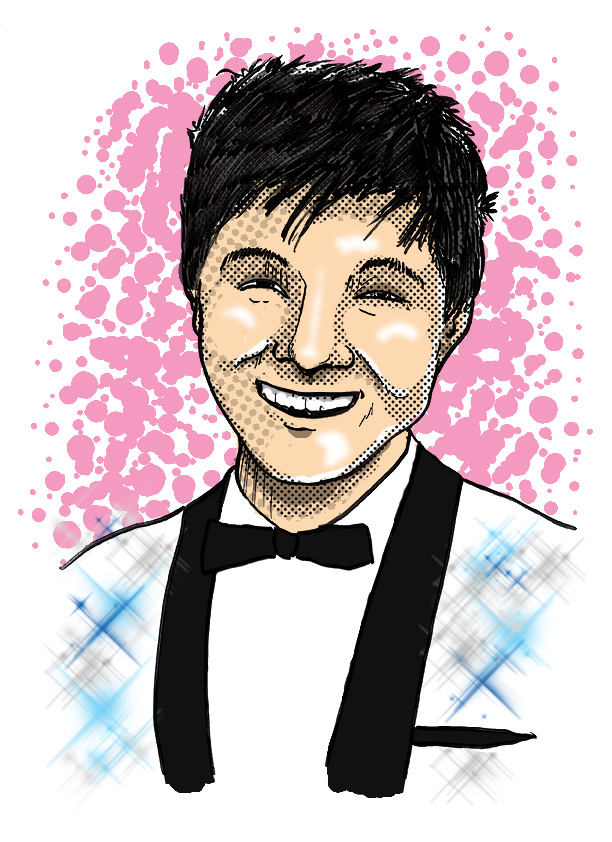
As a teenager, Kyu Sakamoto was a member of a comedy vocal group, but he wasn’t happy. He felt he should be the group’s lead vocalist and often fought — physically — with his bandmates over the decision. He finally got his opportunity when he sang lead on one song during a performance at a winter carnival. Still, his band wanted him to remain as second vocalist, so Kyu left the band.

Now a solo artist, Kyu recorded the love song “Ue o Muite Arukō” (“I look up when I walk”) in 1961. The song was a huge hit in Japan. During a 1963 visit to Japan, a British record executive heard the song and brought it back with him when he returned home. Concerned with the title being too difficult to pronounce for an English-speaking audience, he renamed it “Sukiyaki,” after a popular Japanese beef dish, despite it having absolutely nothing to do with the song. (One writer for Newsweek magazine observed: “It’s like if “Moon River” was retitled “Beef Stew” for distribution in Japan.”) “Sukiyaki” was released in England by Pye Records and it became a hit. The song was then released in the United States on Capital Records. It immediately sold over one million copies and spent three weeks in the Number One position on the Billboard Top 100. Kyu Sakamoto embarked on a worldwide promotional tour that lasted nearly a year. He appeared on The Steve Allen Show, although he missed The Ed Sullivan Show due to a scheduling error. Kyu’s follow-up, “China Nights (Shina no Yoru),” only reached Number 38 and, although he was popular elsewhere, he never had another hit in the US again.

On August 12, 1985, Kyu boarded the ill-fated Japan Airlines Flight 123 with Osaka being its proposed destination. Twelve minutes into the flight, the craft experienced a sudden decompression. The plane crashed into Mount Takamagahara, killing 520 people onboard. It remains the deadliest single-aircraft accident in aviation history. Kyu Sakamoto was 43 years old.

“Sukiyaki” has been sampled by a number of artists including Slick Rick, Doug E. Fresh, Salt-N-Pepa, Snoop Dogg, Bone Thugs-n-Harmony, Raphael Saadiq, Mary J. Blige and Will Smith. The song was also featured on the soundtracks of Mad Men and The Man in the High Castle.

Comments

comments