inktober52: reflection

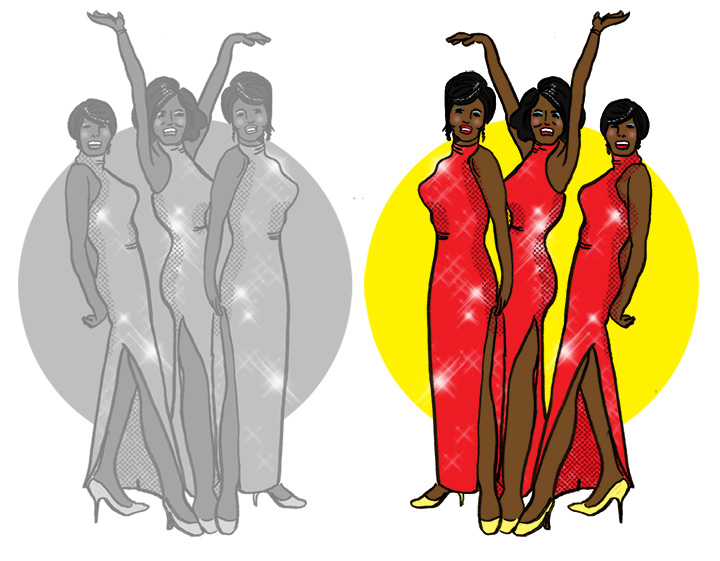
The Supremes were a hit-making powerhouse. In 1967, riding high on a succession of twelve Top Ten singles — 10 of which hit Number One — the trio released their first foray into the fledging genre of “psychedelia.” Smack in the middle of the so-called “Summer of Love,” Motown Records issued “Reflections” with an arrangement that was somewhat jarring as compared to the straight-forward instrumentation of the Supremes’ previous singles. “Reflections” is often cited as one of the first mainstream pop songs to feature a Moog synthesizer. However, the strange sounds on the song are actually recordings of a test oscillator (a piece of studio equipment) that have been manipulated electronically. Later in the year, perhaps based on trends in the music industry and the success of “Reflections,” Motown purchased a Moog synthesizer for their studio.

“Reflections” also marked the first time The Supremes were credited as “Diana Ross and the Supremes,” pushing the attractive and popular lead singer to the forefront. “Reflections” was recorded in March 1967 with original members Diana Ross, Mary Wilson and Florence Ballard. But there was bubbling turmoil within the group. Florence Ballard was unhappy with the focus on Diana Ross, while she and colleague Mary Wilson were relegated to back-up status. Just a few weeks after the single’s July release, a disgruntled Florence Ballard was let out of her Motown contract by an angry Berry Gordy and replaced with Cindy Birdsong, late of Patti LaBelle’s Bluebelles. The first public performance of the song was on an August 1967 episode of the variety series Hollywood Palace. It featured Cindy Birdsong singing in Florence Ballard’s usual spot.

Diana Ross left the group in 1970 for a successful solo career. The Supremes continued to perform, with Mary Wilson as the leader, until 1977. After that, splinter groups, like “Former Ladies of the Supremes” and “The Sounds of the Supremes,” emerged. These acts included some later replacement members of the group, as well as friends and relatives of those members. One incarnation featured Joyce Vincent, a one-time member of Tony Orlando and Dawn.
Comments

comments

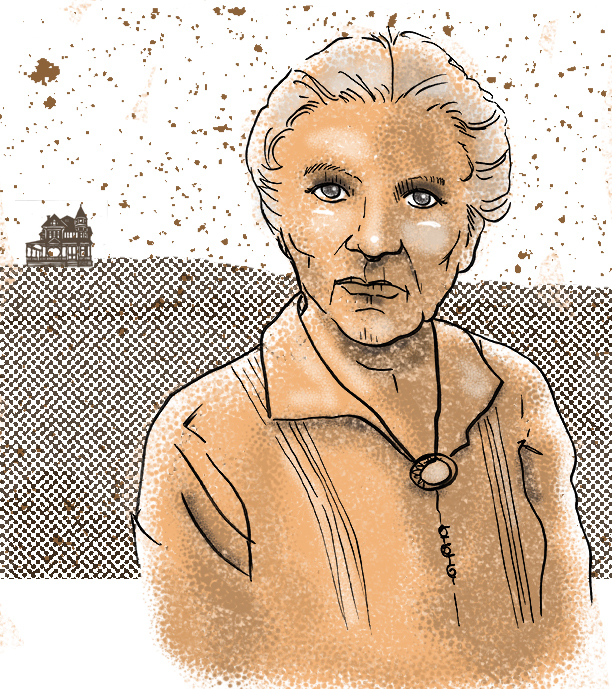
DCS: virginia cherrill

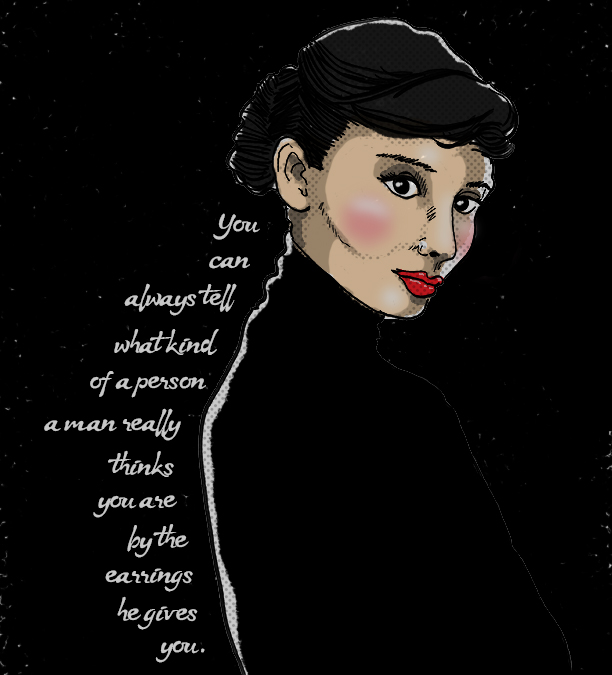
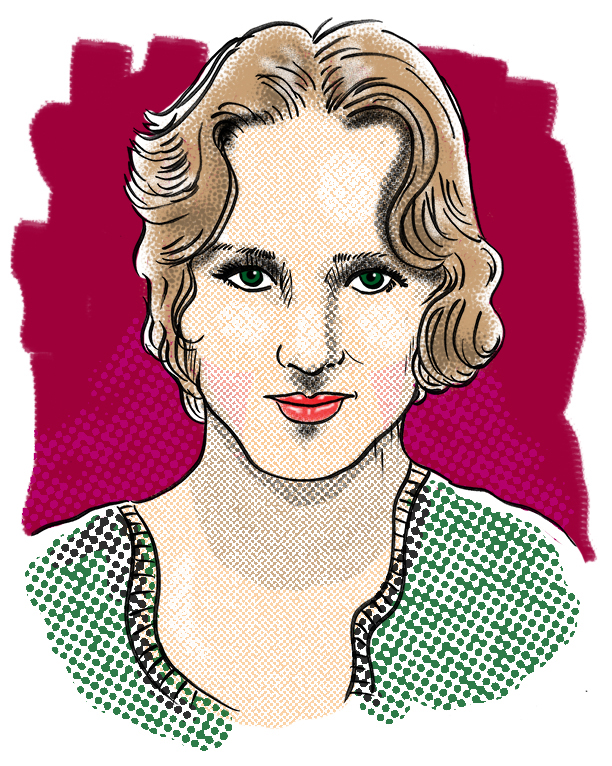
Virginia Cherrill really didn’t want to be an actress. She even turned down an invitation to join the elite Ziegfeld Follies — an offer that came for Florenz Ziegfeld himself. But, Virginia’s friend Sue Carol, an actress-turned-agent was very persuasive.

Virginia was cast as an extra in Howard Hawkes 1928 film The Air Circus, the first of the then-popular aviation-themed films to include spoken dialogue. A chance meeting at a boxing match lead to a co-starring role in Charles Chaplin‘s City Lights. (In his autobiography, Chaplin claimed that an anxious Virginia approached him at the beach.)

Virginia butted heads with Chaplin on the set of City Lights. The actor-director-screenwriter-producer was pleased with her performance, but not with her lack of professionalism. One day, after she left the set early to keep an appointment at the hairdresser, an outraged Chaplin fired Virginia. He planned to re-shoot all of Virginia’s scenes with Georgia Hale stepping into the role. But, with the budget stretched thin and scheduling way behind, Chaplin was backed against a wall. He sheepishly asked the actress to return. Her friend, shrewd actress Marion Davies, convinced Virginia to demand more money to return to the picture. Chaplin had no choice but to double her salary to get his movie completed.

Virginia appeared in a dozen more movies over the next five years, including White Heat with James Cagney and the George Gershwin musical Delicious. She was briefly married to actor Cary Grant along the way.

In 1936, Virginia called it a career. She never achieved the famed and success that City Lights had promised. Her last few films went almost unnoticed and she admitted that she was “no great shakes'” as an actress. She lived in Santa Barbara, California with her fourth husband until her death in 1996 at the age of 88.

Comments

comments

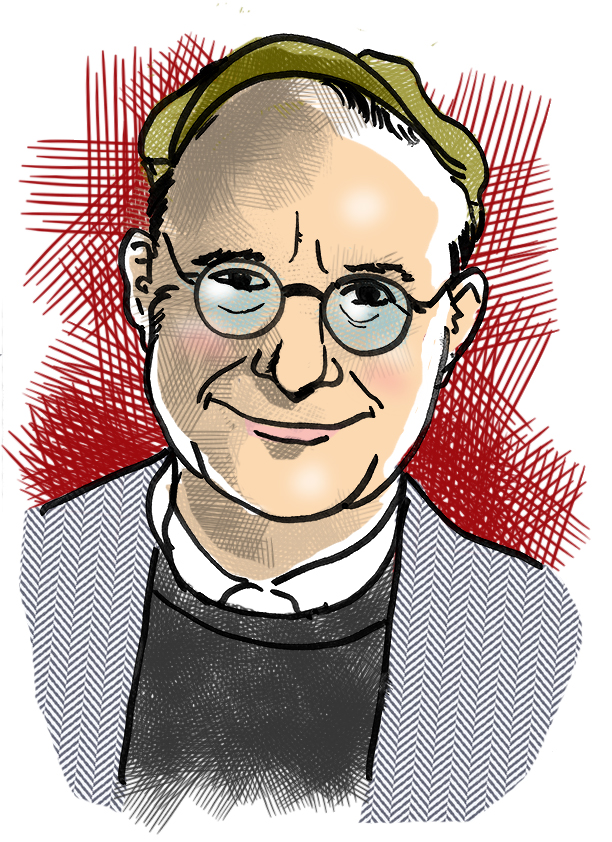
DCS: buck henry

AKA Harry Zuckerman

Writer-director-comedian Buck Henry was a guest on The Tonight Show with Johnny Carson. Johnny asked Buck how he wanted to die. Buck replied “I want to be unbelievably old. I want to be withered beyond belief. I want people to be saying, ‘I thought he died years ago.’ and to be amazed I’d lasted to that age.”

Buck passed away on January 8, 2020 at the age of 89.

Comments

comments

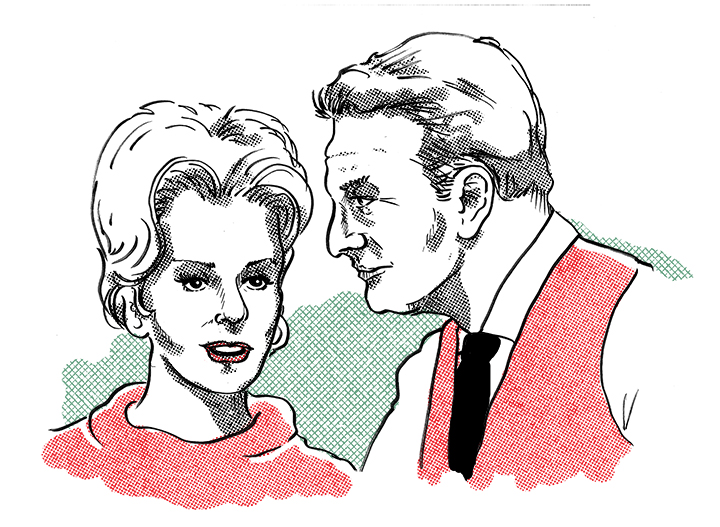
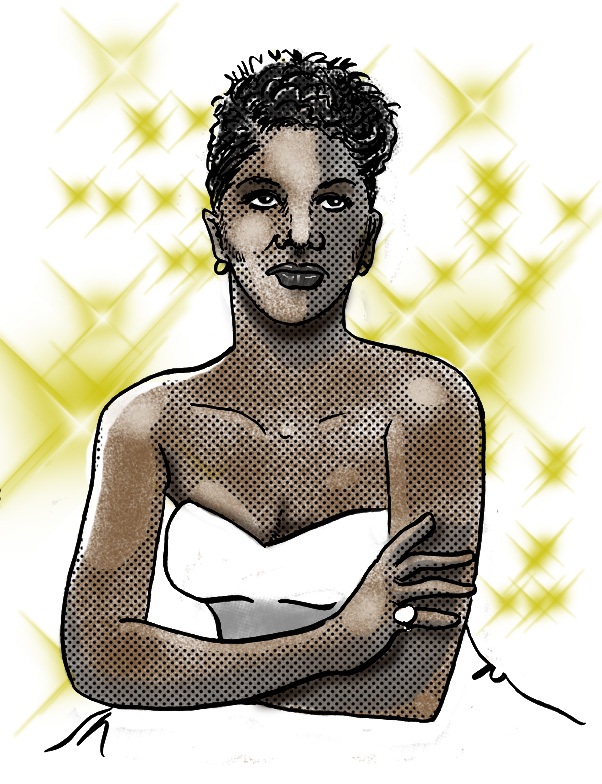
DCS: ruth brown

Rebellious Ruth Weston ran away from home at 17, opting to sing in nightclubs rather than church. She married trumpeter Jimmie Brown along the way.

Blanche Calloway, sister of noted band leader Cab Calloway, arranged for Ruth to sing at a Washington DC nightclub. Popular radio DJ Willis Conover saw her act and recommended her to Atlantic Record execs Ahmet Ertegun and Herb Abramson. The pair were very interested, but Ruth’s audition was sidelined due to a car accident. However, she signed a contract from her hospital bed.

Beginning in 1949, and switching from ballads to rhythm & blues, Ruth recorded and released a slew of hit records for the Atlantic label. She scored 21 Top 10 records – leading the press the refer to Atlantic Records as “The House that Ruth Built.” However, as the 1960s approached, Ruth decided to leave the spotlight for a calmer family life.

At the insistence of comedian Redd Foxx, Ruth entered the acting world in 1975. She had a recurring role on the much-maligned sitcom Hello Larry, as well as a memorable role as “Motormouth Maybelle Stubbs” in John Waters’ original film Hairspray. Most notably, Ruth earned a Tony Award for her featured role in the 1989 Broadway musical Black & Blue. Her relentless fight for musicians’ rights and royalties led to the founding of the Rhythm and Blues Foundation in 1988. Ruth was inducted into the Rock & Roll Hall of Fame in 1993.

Ruth passed away in 2006 from complications of a heart attack and stroke. She was 78 years old. She was still touring at the time of her death.

Comments

comments