DCS: katherine grant

scandalous!

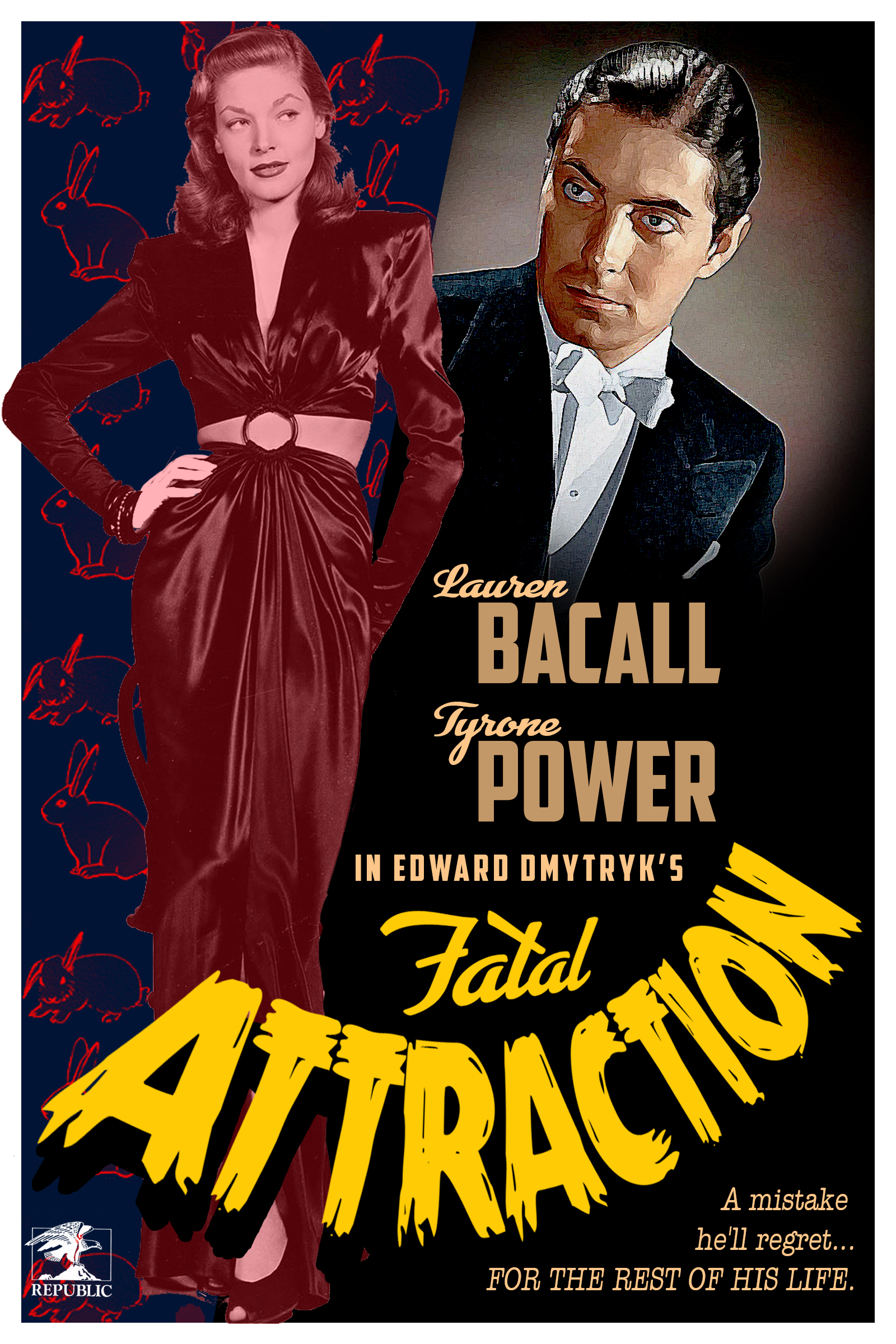
With coaching and encouragement from her mother, Katherine Grant entered — and won — the 1922 “Miss Los Angeles Beauty Contest.” Her new-found fame landed her roles in several of Hal Roach’s “Little Rascals” comedy shorts. As the winner of the local beauty contest, Katherine entered the “Miss America” pageant, but lost to Mary Katherine Campbell, the only person to win the title of “Miss America” twice. (She was named first runner-up in her third showing and the rules were changed going forward.)

Before her pageant days, Katherine had posed for a sculptor who was contracted to create a fountain. Katherine was photographed in the nude for figure studies. During her time in Atlantic City for the “Miss America” pageant, she discovered some of the photographs, which she believed were for use solely by the sculptor, circulating around town. She approached the photographer, upon her return to Los Angeles, and demanded all copies of the nude images. She was shown a release form bearing her signature. At the time she signed it, she assumed the paper was a receipt for the payment she was given for posing. She left the photographer’s office dejected. Soon after, Katherine was contacted by another man, threatening to show the photos to Hal Roach, thus ruining her career. She hired a lawyer who brought charges of fraud, extortion and blackmail against the photographer. Although no documents relating the outcome of the case exist, events must have been in her favor, because Katherine’s career for Roach Studios was fairly successful.

In December 1925, Katherine was the victim of a hit-and-run while crossing an intersection near Roach Studios. The driver was never identified or caught. Katherine displayed no physical injuries after an examination, though doctors warned her to rest. She refused, fearing an absence from the screen would damage her career.

Six months later, she was discovered in a sanatorium under an assumed name, suffering from an emotional and physical breakdown. She was exhausted and was not eating well. She was concerned about the studios’ demand that she maintain her weight. Eventually she was released to her mother’s care, but soon found herself back in the hospital. Her condition worsened and Katherine passed away from a combination of tuberculosis and dementia. She was 32.

Katherine was interred at Evergreen Cemetery in Los Angeles. Her grave remained unmarked for 79 years, until a headstone was purchased by a fan who runs a blog highlighting the careers of silent movie stars.

Comments

comments

DCS: christine maple

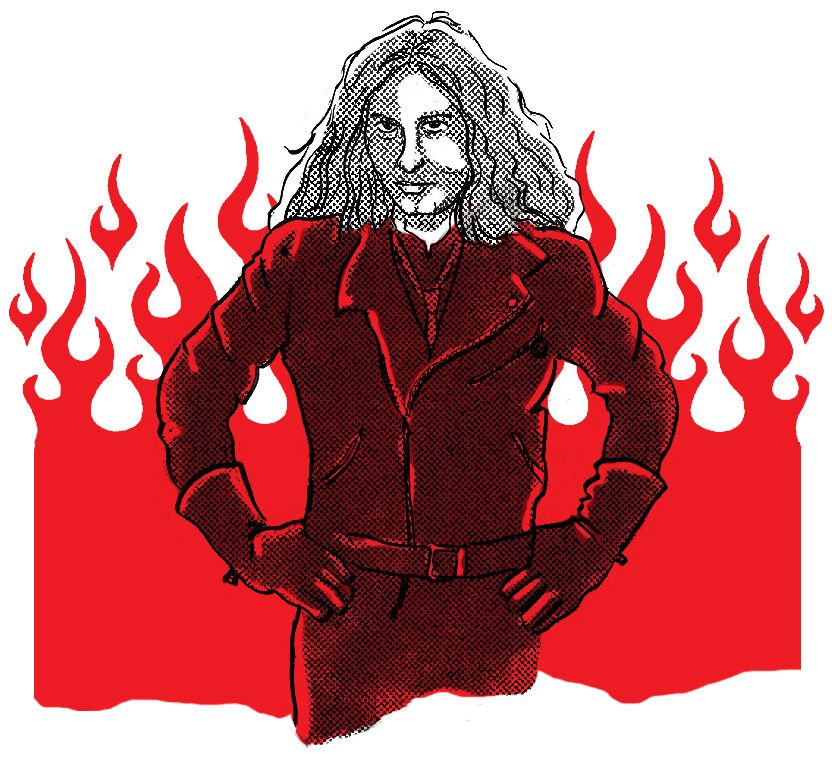
Pretty Christine Maple was a character. Moving to Los Angeles from her native rural Kansas, the vivacious blonde began appearing in local beauty pageants. Her film debut in 1930 led to a coveted spot in the Ziegfeld Follies. During a performance, she surprised her fellow cast members, the audience and Ziegfeld himself, when she appeared on stage fully nude. Christine gained a reputation for wearing daring low-cut dresses and spouting outrageous lies about her life. She once claimed that her father was a British Duke.

Her public behavior became more flamboyant and shocking. She was arrested on a train in Switzerland for causing a disturbance. She got into a fight with a cab driver for her refusal to pay a fare. She was accused by several women of being a bit “too friendly” with their spouses. Christine’s mother became worried about her daughter’s scandalous behavior. She had Christine sent to a sanitarium for a period of time.

After her release, Christine signed a contract with Republic Pictures and appeared in a number of Westerns. She then headed to Australia for a part in the play The Women. She had to leave the production early due to illness. When she returned to the United States, she suffered a nervous breakdown and was hospitalized. Once discharged, she left show business and moved to a suburb of Philadelphia, taking an unlikely job in a department store.

In January 1947, Christine hanged herself. She left no note. She was 34 years old.

Comments

comments

DCS: katalin karády

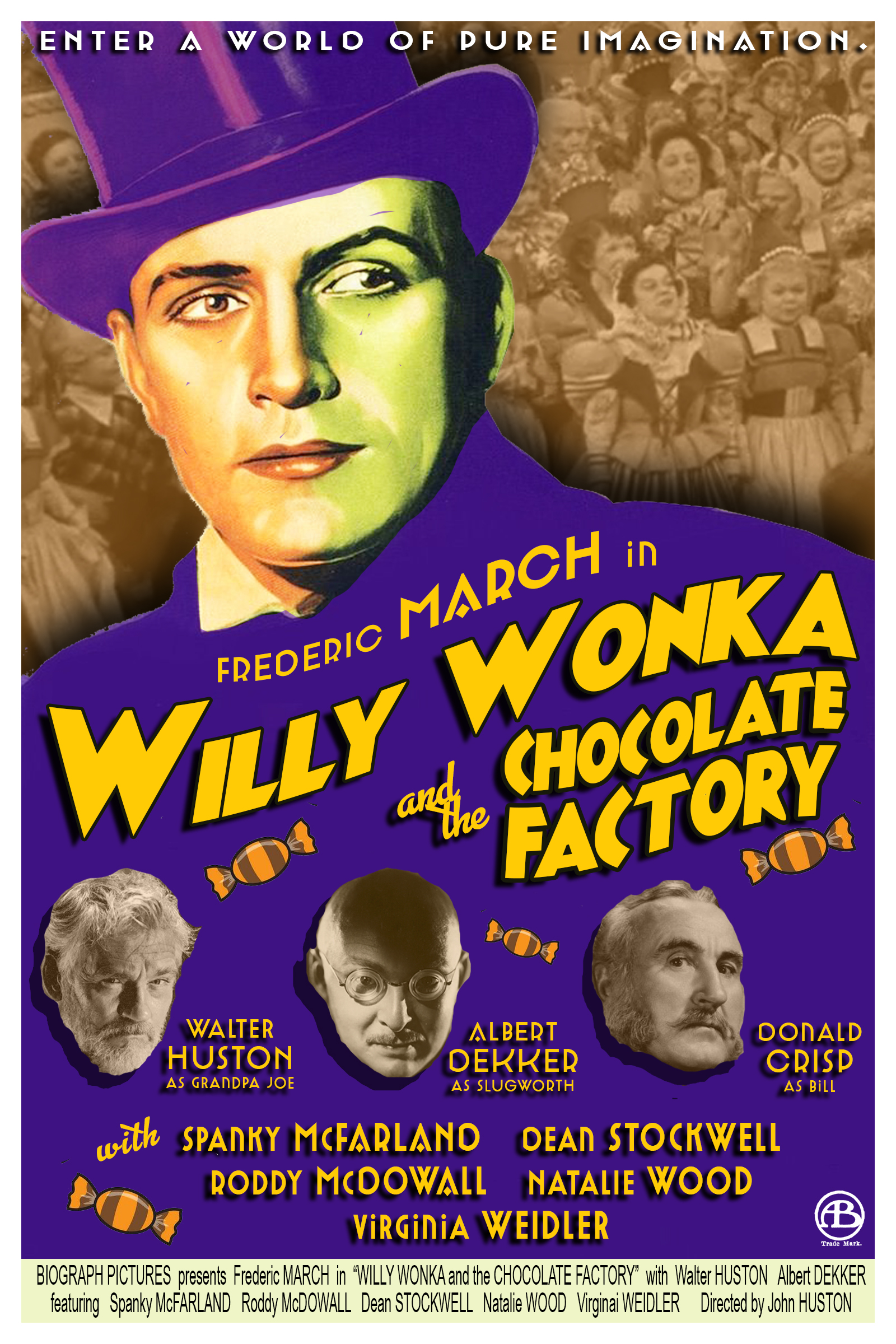
Katalin Karády was a pretty big star in her native Hungary, with a career that mirrored her Hollywood counterparts of the time. She gained the persona of “diva” and “sex symbol” after her 1939 debut in the film Halálos Tavasz (“Deadly Spring”). Katalin was also a popular vocalist. Her songs were heard frequently on Hungarian radio. She became a cultural icon, with thousands of female fans mimicking her fashion style, her hairstyle and her attitude. Katalin was a constant topic of gossip in the press, with regular speculation regarding her sexual orientation.

After the 1944 German invasion of Hungary, Katalin’s films and songs were banned. The film on which she was working, Gazdátlan asszony (“Orphan Woman), had its production shut down. Katalin was arrested by the Gestapo as an alleged spy and put in prison for three years. During her prison term, Katalin was subjected to torture and beatings that nearly ended her life. She was rescued by associates of a high-ranking military officer with whom Katalin once had a romantic relationship. Once out of prison, she assisted in the rescue and hiding of Hungarian Jews, including saving a group of 20 Jewish children from being murdered on the banks of the Danube during the Arrow Cross reign of terror.

Katalin attempted to restart her acting career, but the Communist-run film industry was not interested. To avoid further mistreatment and beatings, she fled Hungary, making her way to Austria, Switzerland, Belgium and eventually the United States, with the assistance of Ted and Robert Kennedy. She moved to New York City, opened a hat store and stayed out of the public eye. She refused to talk about film career and her heroic post-film career. The government of Hungary sent her an invitation to return to her home country for her 70th birthday. She replied by sending a single hat, baffling government officials.

Katalin passed away in February 1990 at the age of 79. In 2004, she was posthumously honored with the Righteous Among the Nations recognition, given to non-Jews by the State of Israel who risked their lives during the Holocaust to save Jews from extermination by the Nazis.

Comments

comments