
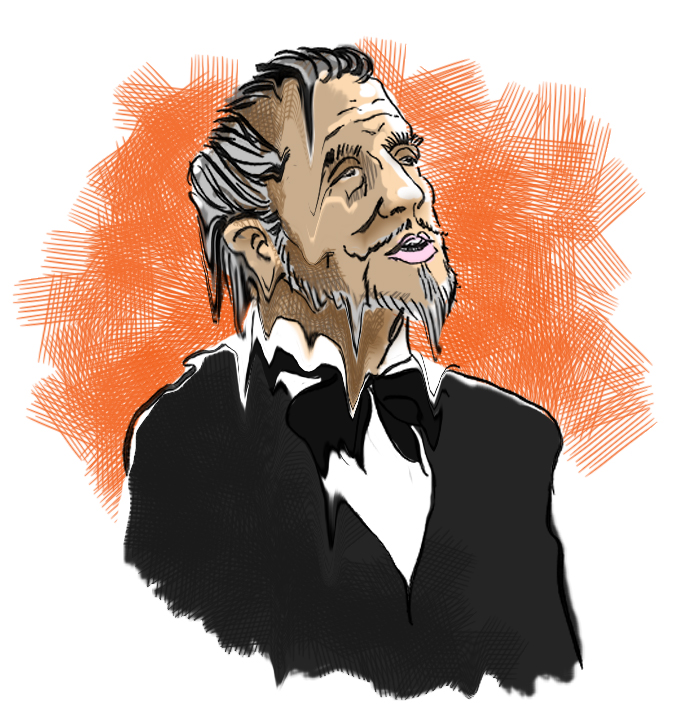
Vincent Price, star of the 1953 3D thrillfest House of Wax. You might say his performance was dripping with terror. No one could hold a candle to him.
The whole ball of…. oh… you get it.
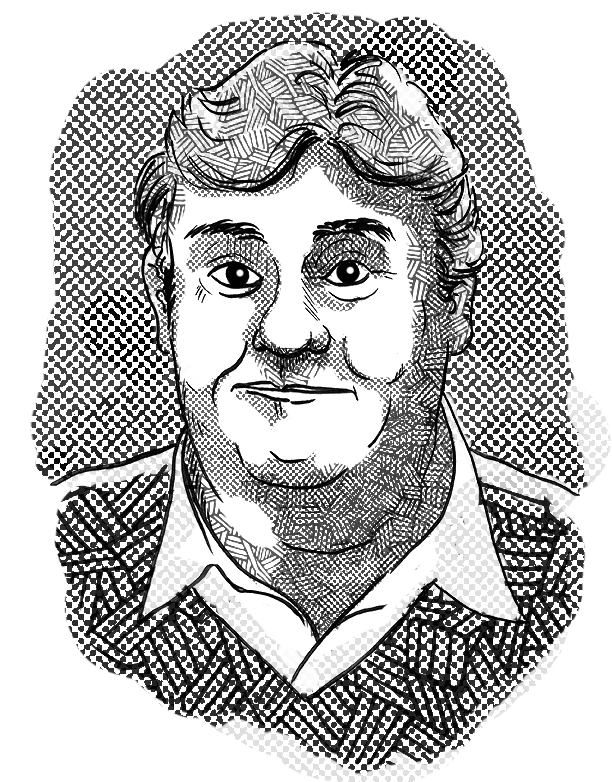
Following a few small, uncredited film roles, John Candy came into prominence with his comic talents in Canada’s SCTV, a skit-based version of the respected Second City comedy group. Portraying such memorable (and hysterical) characters as horror host “Dr. Tongue,” sleazy “Johnny LaRue,” folksy fishin’ musician “Gil Fisher” and talk-show sidekick “William B. Williams,” John was one of the most popular cast members on the show. He gave inspired celebrity impersonations as well, mocking such diverse names as Jerry Mathers, Ed Asner, Luciano Pavarotti, Don Rickles and Curly Howard. His talents soon led to a career in movies.
John was cast in Steven Spielberg’s comedy war epic 1941, and The Blues Brothers, alongside Dan Aykroyd and John Belushi. He joined Bill Murray in Stripes and Chevy Chase in National Lampoon’s Vacation. John hosted Saturday Night Live in 1983, but, according to comedian/writer Bob Odenkirk, John was the “most-burned potential host” of SNL, in that he was asked to host many times, only to be told “no thanks” by the staff at the last minute.
The 80s were a busy decade for John, with roles in over a dozen films, including some of his biggest hits like Splash, Planes, Trains and Automobiles, Summer Rental and Uncle Buck. In the 90s, he suffered a few rare bombs, but rebounded with a critically-acclaimed dramatic turn in Oliver Stone’s JFK. His final completed role was “Red Feather,” a turkey in the animated Disney film Pocahontas, a role that was specifically written for him. After John’s death, the character was cut from the film.
John died from a heart attack while filming Wagons East in Mexico. He was only 43 years old. The film was released posthumously, but his death left several projects in negotiation, including big screen versions of John Kennedy Toole’s satiric novel Confederacy of Dunces, Mordecai Richler’s social commentary The Incomparable Atuk and a biopic of Roscoe “Fatty” Arbuckle. In Hollywood circles, these projects have been referred to as “cursed” because Candy, John Belushi, Sam Kinison and Chris Farley were each attached to all three roles, but they all died at early ages before these films could be made.
He loved what he did in life and he died doing what he loved.

The walls in Brooklyn are a lot nicer to look at, thanks to this incredibly talented woman.
This is Pinky Weber.
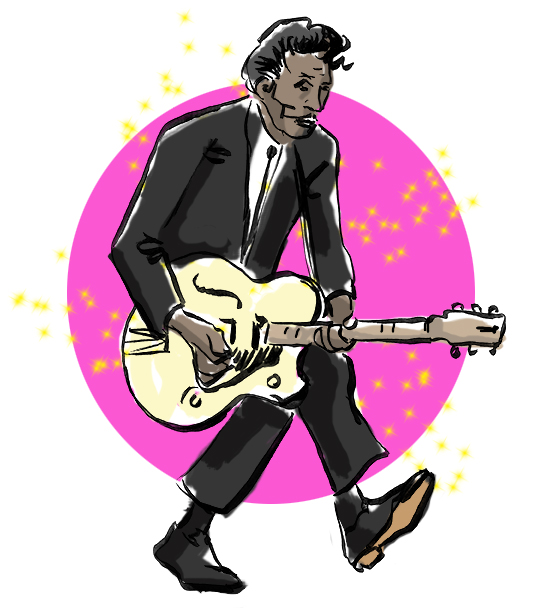
All right, guys, uh, listen. This is a blues riff in “B”, watch me for the changes, and try and keep up?
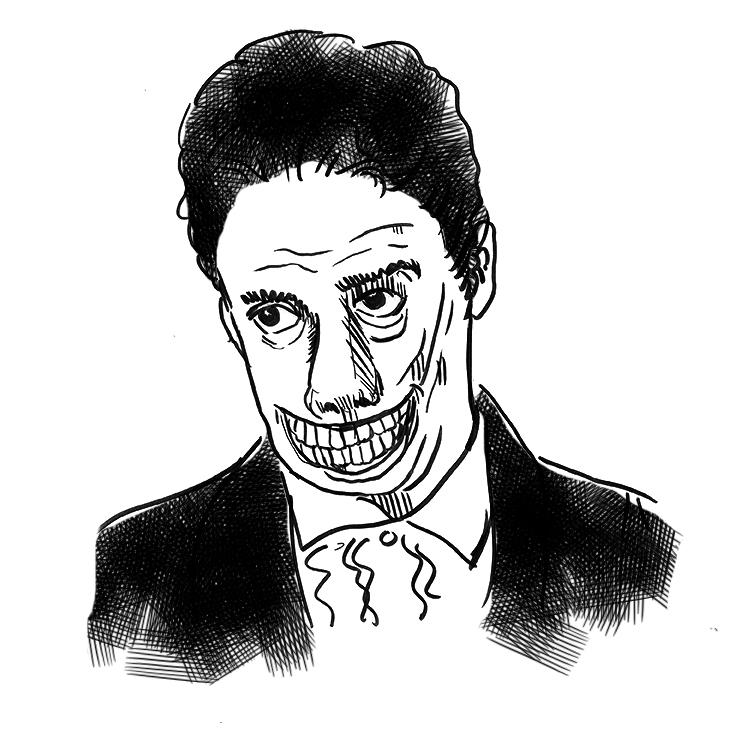
Let’s cap off Inktober 2017 with the Week 5 drawing of Guy Rolfe as Baron Sardonicus from the 1961 William Castle-produced horror film Mr. Sardonicus. The film, which began life as a short story in Playboy magazine, included a gimmick in keeping with Castle’s modus operandi. The film was halted at the climax and the audience was asked to vote on the fate of Mr. Sandonicus — either punishment or mercy. The popular vote would be played out as the film’s ending. The thing was, no other endings were filmed.
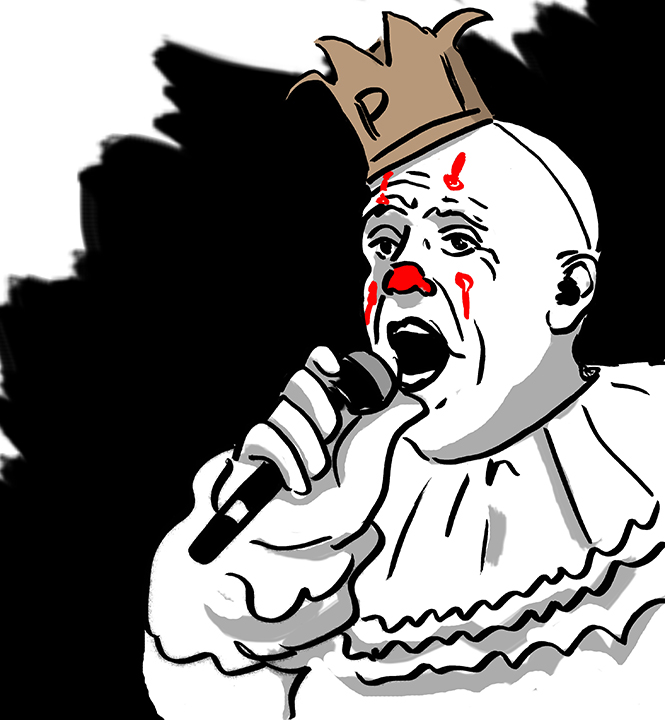
Some folks think he’s spooky.
They’re wrong.
Read about “the sad clown with the golden voice” HERE.
* * * * * * * * *
Illustration Friday suggested the word “spooky” in 2010. Here are the three (that’s right… three!) illustrations I posted ten years ago.
and one more for 2017…. Spooky (part 4)

Now, don’t close your eyes and don’t try to hide or a silly spook may sit by your side.
* * * * * * * * *
Illustration Friday suggested the word “spooky” in 2010. Here are the three (that’s right… three!) illustrations I posted ten years ago.
and one more for 2017…. Spooky (part 5)
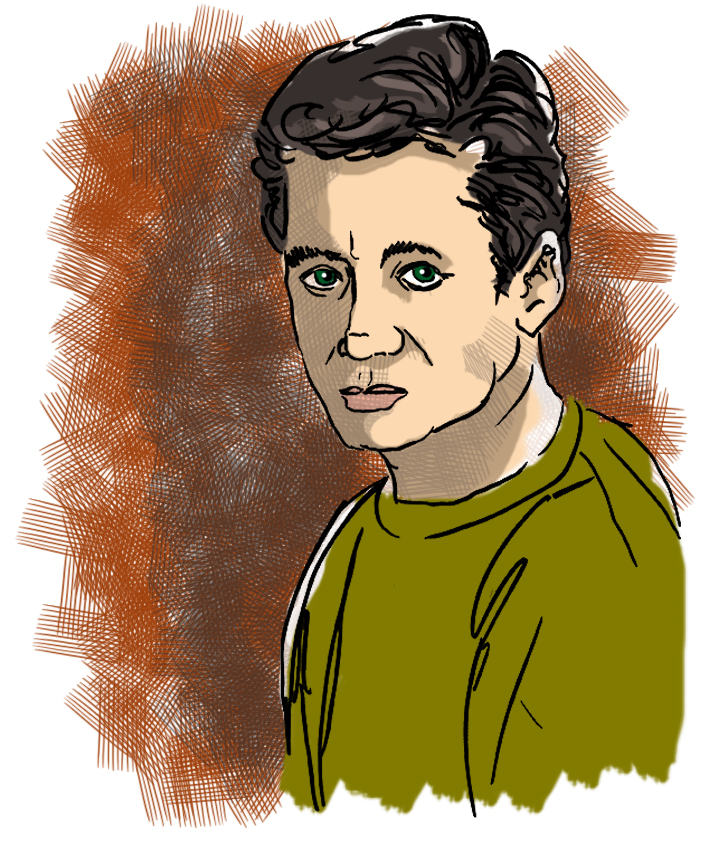
Greg Guidry liked to sing gospel and play piano. As a teenager, he formed a band with future Doobie Brothers keyboardist/vocalist Michael McDonald.
In 1977, with his friend and collaborator Rich Lang, Greg drove from his native St. Louis to New York City to pursue a career in the music industry. The pair wrote and recorded some demos and were soon signed to CBS Records. Their songs were recorded by the Climax Blues Band, Exile, Sawyer Brown, Reba McEntire and others. Greg sang backup on The Allman Brothers’ 1981 release Brothers of the Road.
Greg went solo in the early 80s and signed with Columbia Records. He released an album called Over the Line, which spawned the single “Goin’ Down,” an early entry into the then-unnamed “yacht rock” genre. The song hit Number 17 on the Billboard charts.
Greg continued his songwriting efforts into the 80s, but he didn’t release a follow-up to Over the Line for nearly two decades. Making up for lost opportunity, Greg actually released two albums in 2000 — Soul’d Out and Private Sessions. Neither one charted.
In 2003, Greg’s charred remains was discovered in the aftermath of a fire in his garage at his home in Fairview, Tennessee. After an investigation, his death was ruled a suicide. Greg was 53.

No use for you to cry
I’ll see you by and by
‘Cause I’m walkin’ to New Orleans