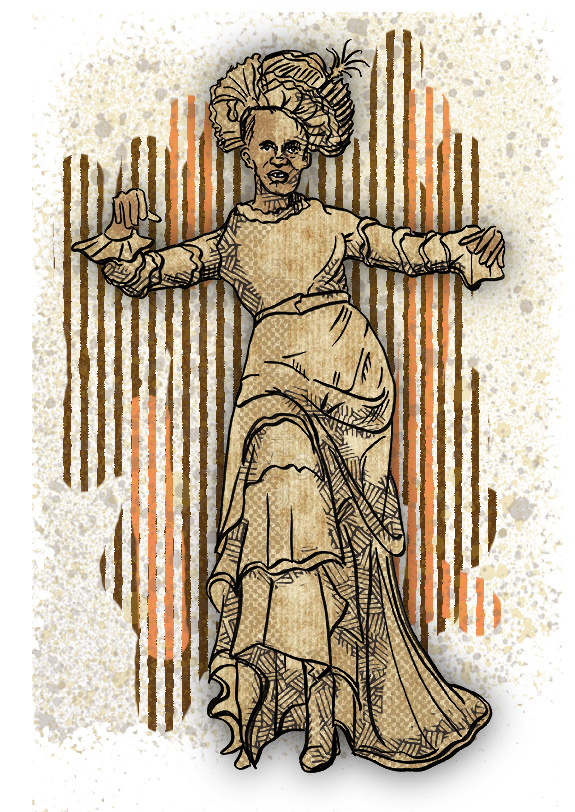
DCS: falco

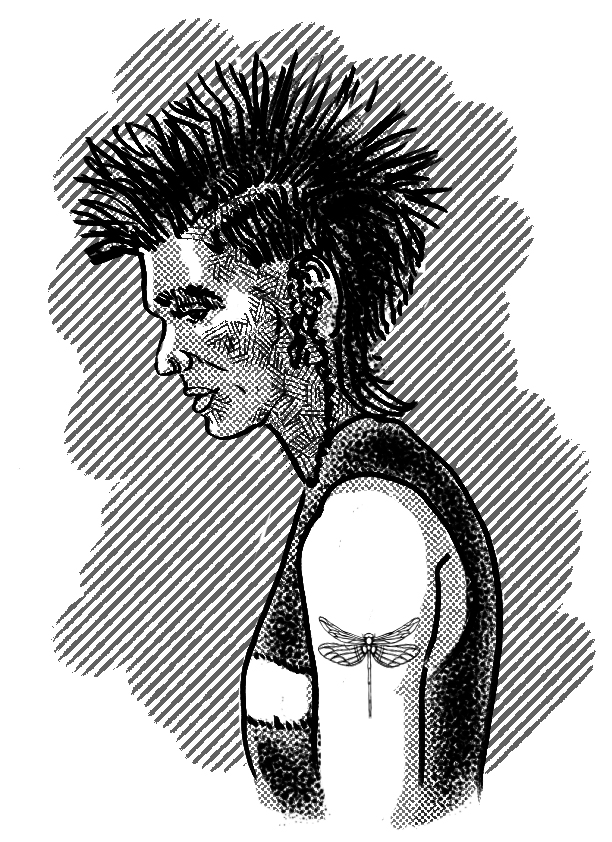
Johann Hölzel was determined to be a pop star. Exhibiting a natural musical talent, young Johann began playing in various bands in the Vienna Underground music scene. Bucking trends set by the crowds, Johann presented a clean-cut image, sporting short hair, dark glasses and stylish clothing. He played bass under the stage name “John DiFalco” and soon shortening it to just “Falco.” One night in 1981, he was performing his compositions “Ganz Wien” (“All of Vienna”) at a concert to promote drug prevention, when he received an offer to sign a recording contract. Ironically, the song contains the line “All Vienna is on heroin today.”

Falco had difficulty with his first single. He wanted it to be “Helden von heute” (“Heroes of Today”), but his record label insisted on the B-side, a catchy tune that included a rap, entitled “Der Kommissar.” The song failed to chart in the United States and Great Britain. But a British group called After the Fire covered the song in English and American singer Laura Branigan recorded it with different words and a different title. “Der Kommissar” found a new audience in the wake of these two versions and became a latent hit. However, his follow-up failed to chart.

In 1986, inspired by the success of Oscar-winning film Amadeus, Falco wrote and recorded “Rock Me Amadeus.” It became an international hit, reaching Number One on over a dozen charts worldwide. It also earned Falco the distinction of being the first male rap artist to score a Number 1 hit in the US. His next two singles, “Vienna Calling” and “Jeanny” were also well received, although “Jeanny,” which was sung entirely in German, was controversial in its subject matter. It depicted a rape from the point of view of the rapist. With the inclusion of three popular songs, Falco’s album Falco 3 was critically praised.

Falco enjoyed continued success in Europe while his popularity in the United States waned. He released a follow-up to “Jeanny” that failed to chart and a comeback in the US was also a failure. Falco moved to the Dominican Republic in the early 1990s, while he worked on another proposed comeback album, Out of the Dark (Into the Light).

Just 13 days before his 41st birthday, Falco was killed when his Mitsubishi SUV collided with a bus on a narrow road between the Dominican towns of Villa Montellano and Puerto Plata.

Comments

comments

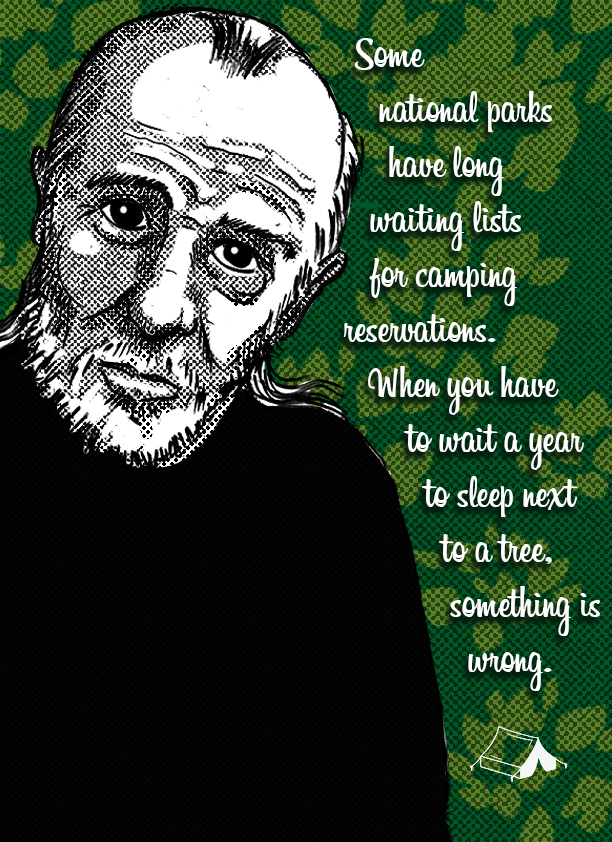
DCS: hank aaron

Veterans Stadium was the home of the Philadelphia Phillies from 1971 until yielding the title to beautiful Citizens Bank Park in 2004. Veterans Stadium was anything but beautiful, however, I did get to see some of baseball’s immortal players at that hell hole. One of those players was the legendary Hank Aaron. He was one of the last connections to the celebrated glory days of baseball heroes that I actually got to see play.

I remember it was a bright Sunday afternoon and the Braves were in town to have their chance at stomping all over the notoriously awful Phillies of the 1970s. Hank Aaron wasn’t in the announced starting lineup — much to the collective disappointment of the crowd. The stadium was unusually crowded that day. Not for the Phillies, though. No, everyone was there to catch a glimpse of “Hammerin’ Hank” as he slowly, but surely, chipped away at Babe Ruth‘s home run record — a record previously deemed unapproachable.

As the game wound down to late innings, Hank Aaron made a plate appearance as a pinch hitter. I don’t remember how he fared, but I do remember a lengthy standing ovation — one he acknowledged with a tip of his hat.

Hank Aaron was one of the last of a breed. A role model for kids who rifled through wax-wrapped packages of baseball cards. An unassuming champion who pursued — and broke — a long-standing record held by another legend. A class act — beloved by fans and rivals alike, unencumbered by scandal or controversy.

When Hank Aaron’s lifetime homerun record was shattered by Barry Bonds, it wasn’t the same. It didn’t hold the same excitement as when Hank Aaron overtook Babe Ruth. Aaron and Ruth were part of a mythical club, filled with facts and figures, evolving rules and stories with characters that stood alongside Paul Bunyan and Pecos Bill. It was a time devoid of chemical enhancement — aside from the brewed and foamy kind.

Hank Aaron passed away today at the age of 86. He took with him one more piece of the “Golden Age of Baseball.”

Comments

comments

DCS: kyu sakamoto

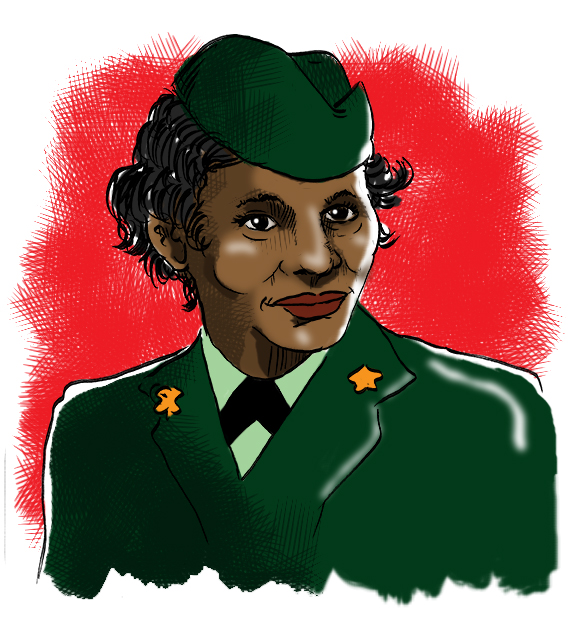
As a teenager, Kyu Sakamoto was a member of a comedy vocal group, but he wasn’t happy. He felt he should be the group’s lead vocalist and often fought — physically — with his bandmates over the decision. He finally got his opportunity when he sang lead on one song during a performance at a winter carnival. Still, his band wanted him to remain as second vocalist, so Kyu left the band.

Now a solo artist, Kyu recorded the love song “Ue o Muite Arukō” (“I look up when I walk”) in 1961. The song was a huge hit in Japan. During a 1963 visit to Japan, a British record executive heard the song and brought it back with him when he returned home. Concerned with the title being too difficult to pronounce for an English-speaking audience, he renamed it “Sukiyaki,” after a popular Japanese beef dish, despite it having absolutely nothing to do with the song. (One writer for Newsweek magazine observed: “It’s like if “Moon River” was retitled “Beef Stew” for distribution in Japan.”) “Sukiyaki” was released in England by Pye Records and it became a hit. The song was then released in the United States on Capital Records. It immediately sold over one million copies and spent three weeks in the Number One position on the Billboard Top 100. Kyu Sakamoto embarked on a worldwide promotional tour that lasted nearly a year. He appeared on The Steve Allen Show, although he missed The Ed Sullivan Show due to a scheduling error. Kyu’s follow-up, “China Nights (Shina no Yoru),” only reached Number 38 and, although he was popular elsewhere, he never had another hit in the US again.

On August 12, 1985, Kyu boarded the ill-fated Japan Airlines Flight 123 with Osaka being its proposed destination. Twelve minutes into the flight, the craft experienced a sudden decompression. The plane crashed into Mount Takamagahara, killing 520 people onboard. It remains the deadliest single-aircraft accident in aviation history. Kyu Sakamoto was 43 years old.

“Sukiyaki” has been sampled by a number of artists including Slick Rick, Doug E. Fresh, Salt-N-Pepa, Snoop Dogg, Bone Thugs-n-Harmony, Raphael Saadiq, Mary J. Blige and Will Smith. The song was also featured on the soundtracks of Mad Men and The Man in the High Castle.

Comments

comments

inktober52: reflection

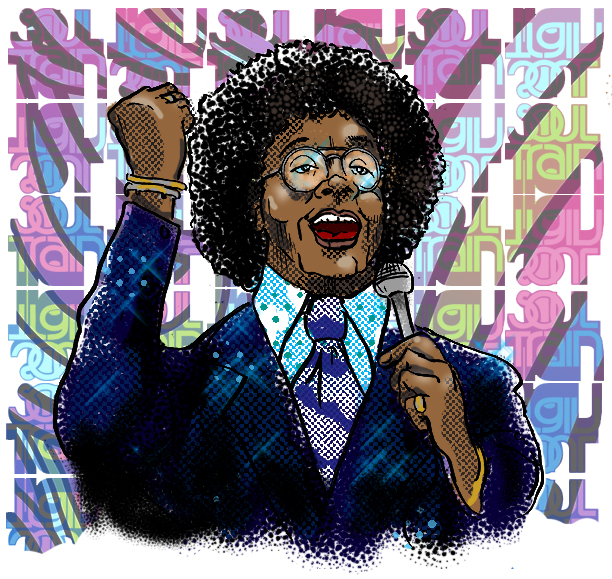
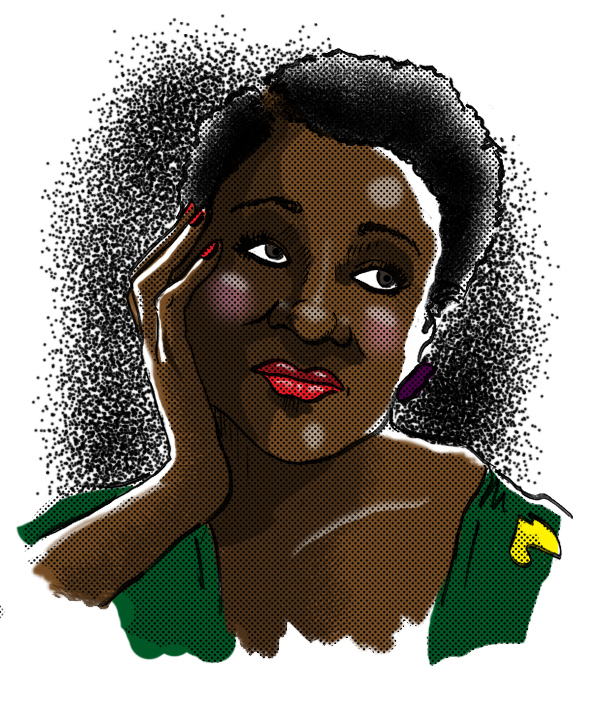
The Supremes were a hit-making powerhouse. In 1967, riding high on a succession of twelve Top Ten singles — 10 of which hit Number One — the trio released their first foray into the fledging genre of “psychedelia.” Smack in the middle of the so-called “Summer of Love,” Motown Records issued “Reflections” with an arrangement that was somewhat jarring as compared to the straight-forward instrumentation of the Supremes’ previous singles. “Reflections” is often cited as one of the first mainstream pop songs to feature a Moog synthesizer. However, the strange sounds on the song are actually recordings of a test oscillator (a piece of studio equipment) that have been manipulated electronically. Later in the year, perhaps based on trends in the music industry and the success of “Reflections,” Motown purchased a Moog synthesizer for their studio.

“Reflections” also marked the first time The Supremes were credited as “Diana Ross and the Supremes,” pushing the attractive and popular lead singer to the forefront. “Reflections” was recorded in March 1967 with original members Diana Ross, Mary Wilson and Florence Ballard. But there was bubbling turmoil within the group. Florence Ballard was unhappy with the focus on Diana Ross, while she and colleague Mary Wilson were relegated to back-up status. Just a few weeks after the single’s July release, a disgruntled Florence Ballard was let out of her Motown contract by an angry Berry Gordy and replaced with Cindy Birdsong, late of Patti LaBelle’s Bluebelles. The first public performance of the song was on an August 1967 episode of the variety series Hollywood Palace. It featured Cindy Birdsong singing in Florence Ballard’s usual spot.

Diana Ross left the group in 1970 for a successful solo career. The Supremes continued to perform, with Mary Wilson as the leader, until 1977. After that, splinter groups, like “Former Ladies of the Supremes” and “The Sounds of the Supremes,” emerged. These acts included some later replacement members of the group, as well as friends and relatives of those members. One incarnation featured Joyce Vincent, a one-time member of Tony Orlando and Dawn.

Comments

comments

DCS: virginia cherrill

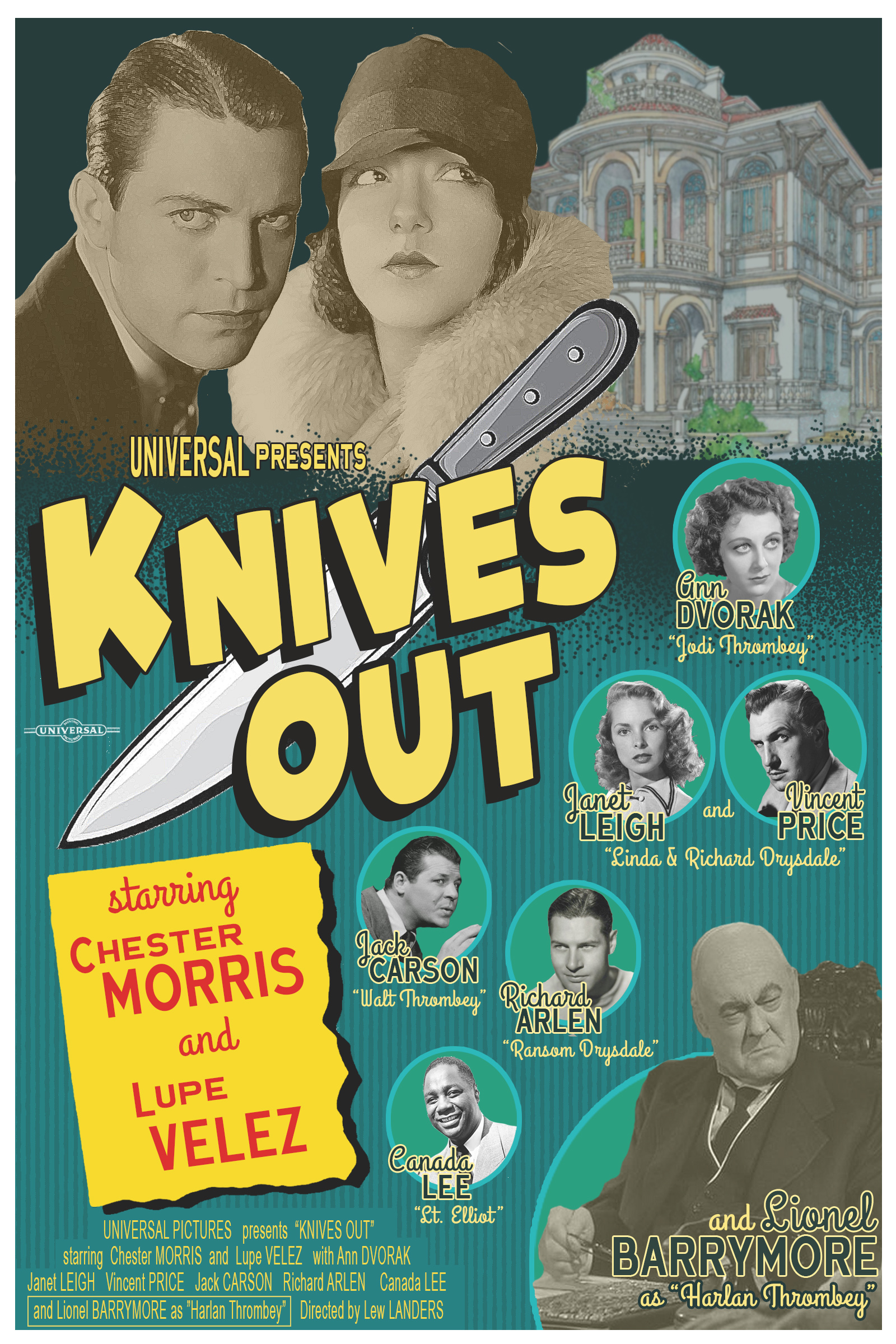
Virginia Cherrill really didn’t want to be an actress. She even turned down an invitation to join the elite Ziegfeld Follies — an offer that came for Florenz Ziegfeld himself. But, Virginia’s friend Sue Carol, an actress-turned-agent was very persuasive.

Virginia was cast as an extra in Howard Hawkes 1928 film The Air Circus, the first of the then-popular aviation-themed films to include spoken dialogue. A chance meeting at a boxing match lead to a co-starring role in Charles Chaplin‘s City Lights. (In his autobiography, Chaplin claimed that an anxious Virginia approached him at the beach.)

Virginia butted heads with Chaplin on the set of City Lights. The actor-director-screenwriter-producer was pleased with her performance, but not with her lack of professionalism. One day, after she left the set early to keep an appointment at the hairdresser, an outraged Chaplin fired Virginia. He planned to re-shoot all of Virginia’s scenes with Georgia Hale stepping into the role. But, with the budget stretched thin and scheduling way behind, Chaplin was backed against a wall. He sheepishly asked the actress to return. Her friend, shrewd actress Marion Davies, convinced Virginia to demand more money to return to the picture. Chaplin had no choice but to double her salary to get his movie completed.

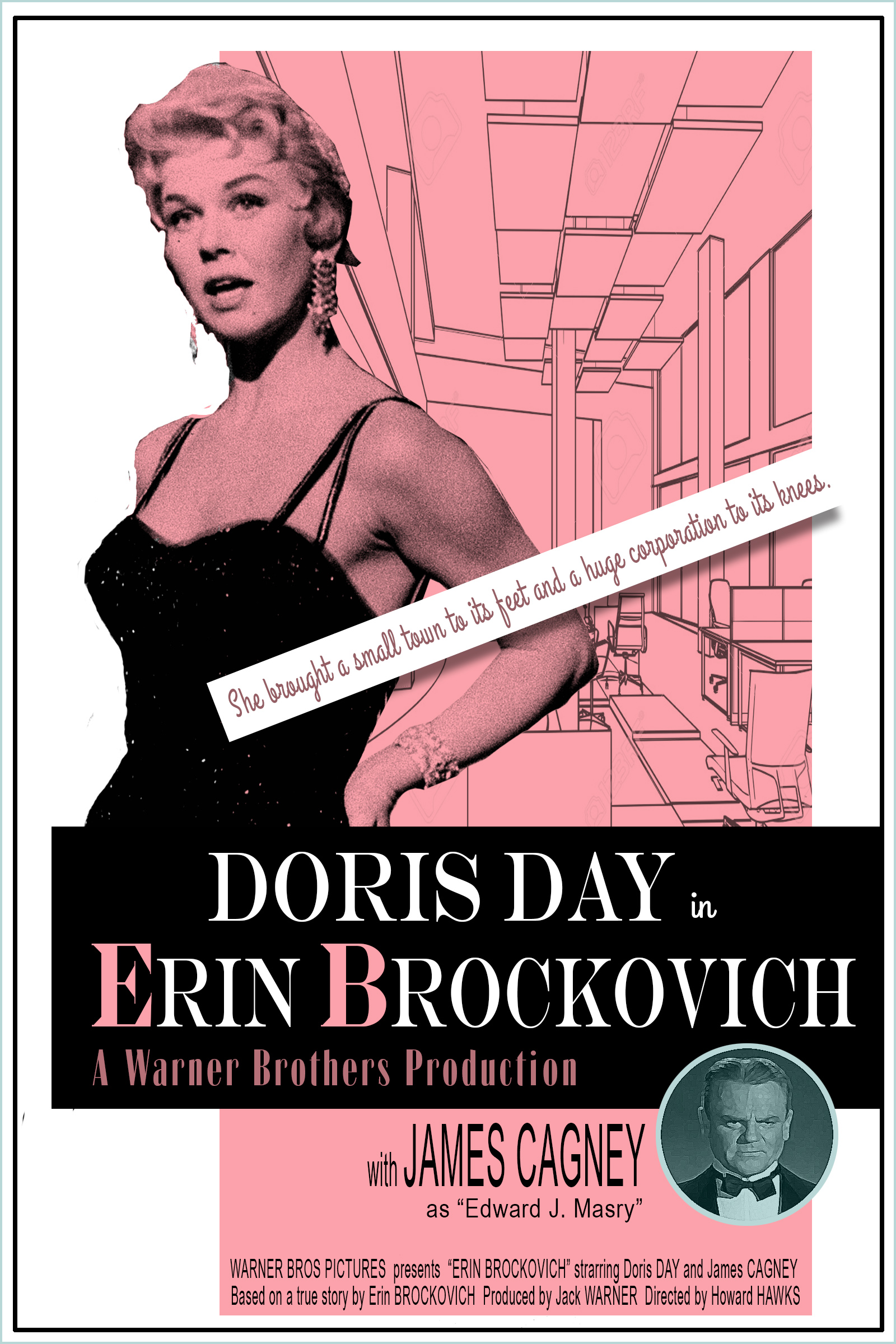
Virginia appeared in a dozen more movies over the next five years, including White Heat with James Cagney and the George Gershwin musical Delicious. She was briefly married to actor Cary Grant along the way.

In 1936, Virginia called it a career. She never achieved the famed and success that City Lights had promised. Her last few films went almost unnoticed and she admitted that she was “no great shakes'” as an actress. She lived in Santa Barbara, California with her fourth husband until her death in 1996 at the age of 88.

Comments

comments