retro movies that never were 35
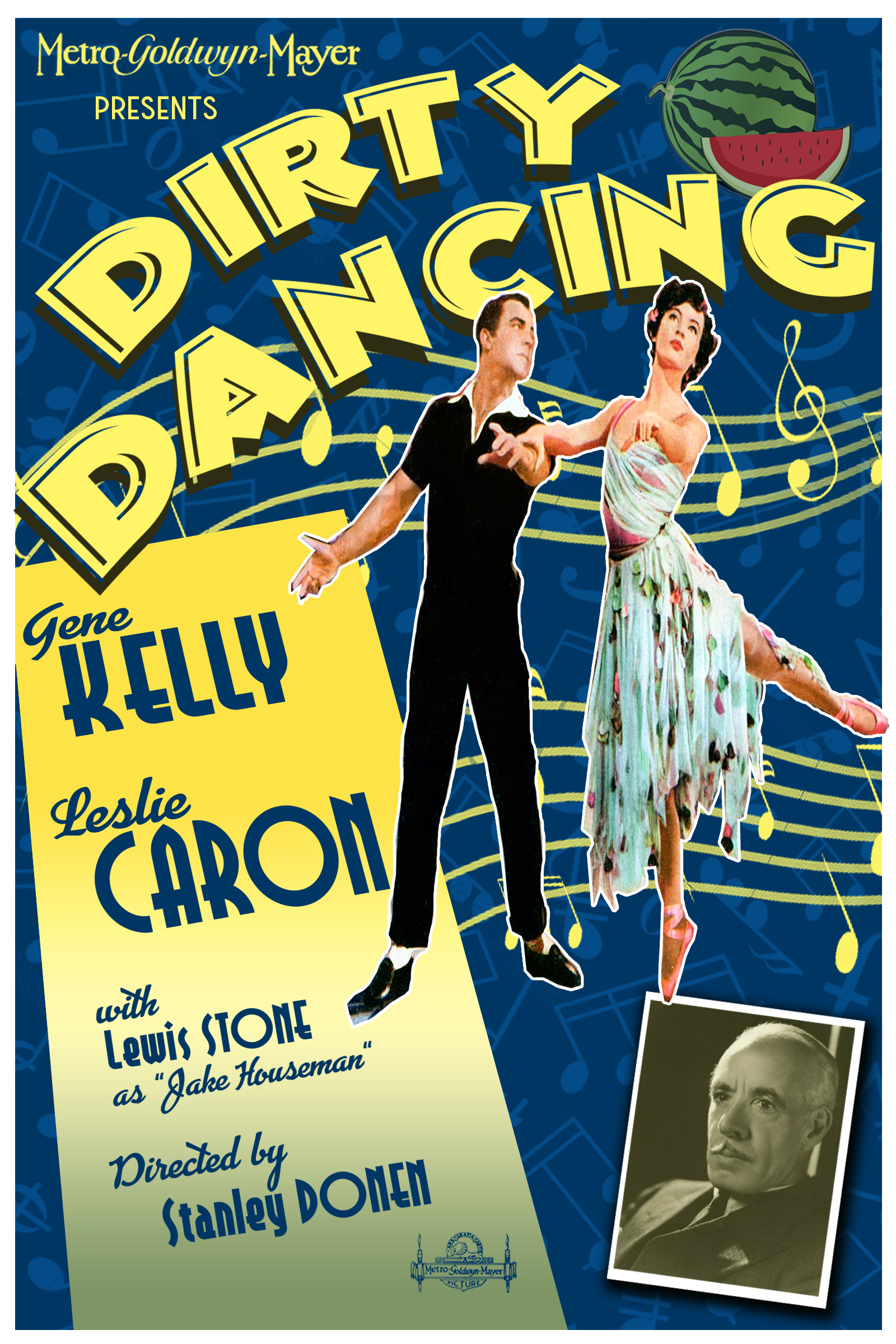
What if someone wanted to put Baby in a corner in 1944?
Comments
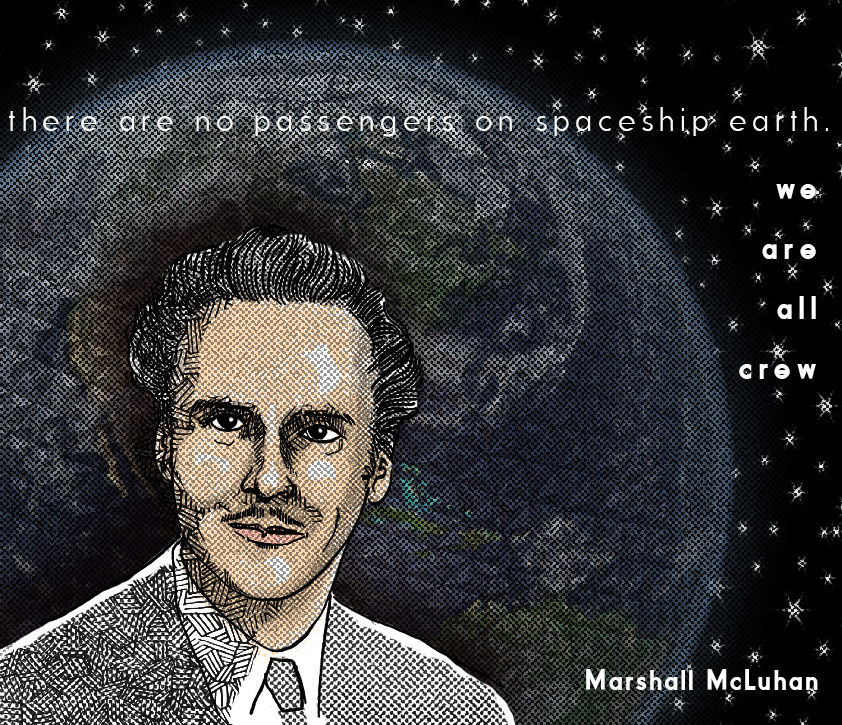
inktober52: spaceship
Comments
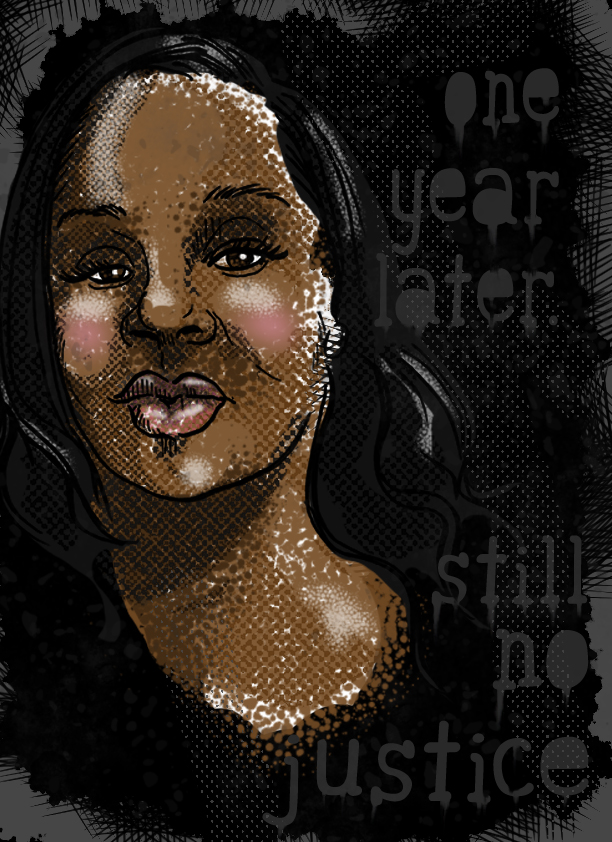
DCS: joanna lee
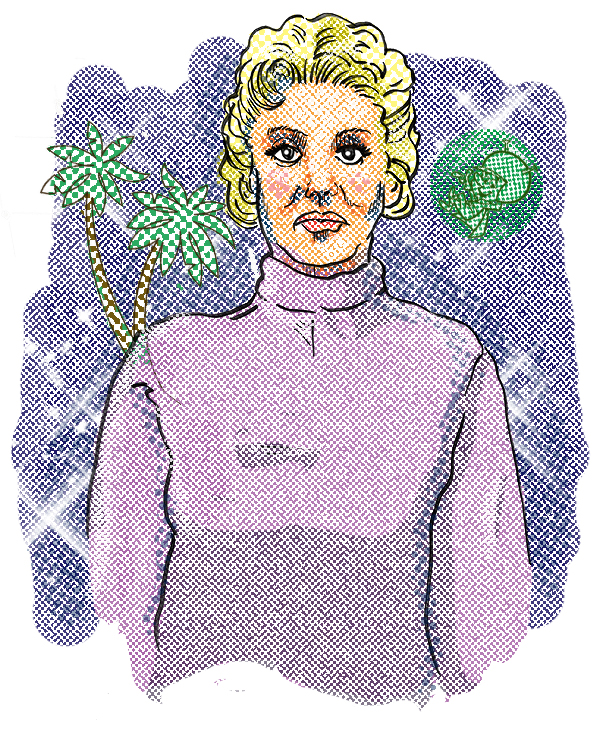
For the better part of six years, Joanna Lee struggled through an unfulfilling acting career, landing few roles of little significance. She appeared uncredited in the Frank Sinatra film The Joker is Wild, as well as Ed Wood’s notorious sci-fi schlockfest Plan 9 from Outer Space. A serious car accident sidelined Joanna’s acting career, but it turned out to be a blessing in disguise.
Joanna explored her previously untapped talent as a writer. She secured some writing assignments for the popular sitcom My Three Sons, three years into its successful 12 season run. Joanna jumped right in to the world of episodic television, writing scripts or teleplays for such shows as Bewitched, Gidget, Petticoat Junction and many others. She penned 22 episodes of the animated series The Flintstones, including the sixth season episode that introduced the character “The Great Gazoo.”
Joanna’s story output was phenomenal. She wrote scripts for multiple episodes of Gilligan’s Island, Nanny & the Professor, Room 222, The Courtship of Eddie’s Father, even branching out into dramas, like Marcus Welby M.D. and The Waltons. The latter earned her an Emmy Award in 1972. Joanna wrote the memorable “Adios Johnny Bravo” episode of The Brady Bunch.
As the 70s approached, Joanna scripted several made-for-television movies and afterschool specials. In the 80s, she served as producer for more television films, in addition to 152 installments of the soap opera Search for Tomorrow.
The 1990s saw her career slow down, but not before releasing her autobiography in 1999. Joanna developed bone cancer and passed away in 2003 at the age of 72.
Comments
retro movies that never were 34
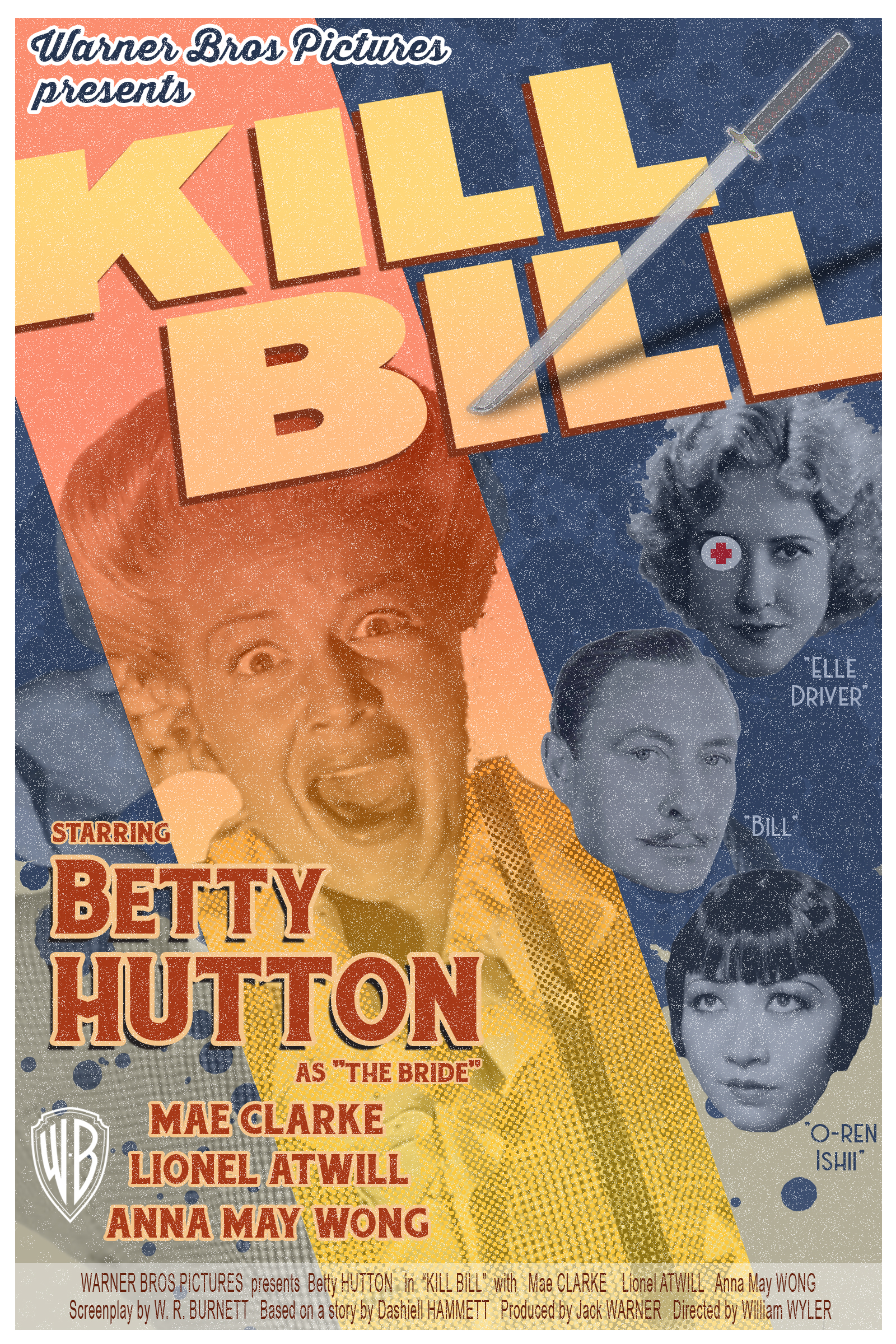
What if the wedding massacre took place in 1938?
Comments
inktober52: powerful

Comments
DCS: marvel rea
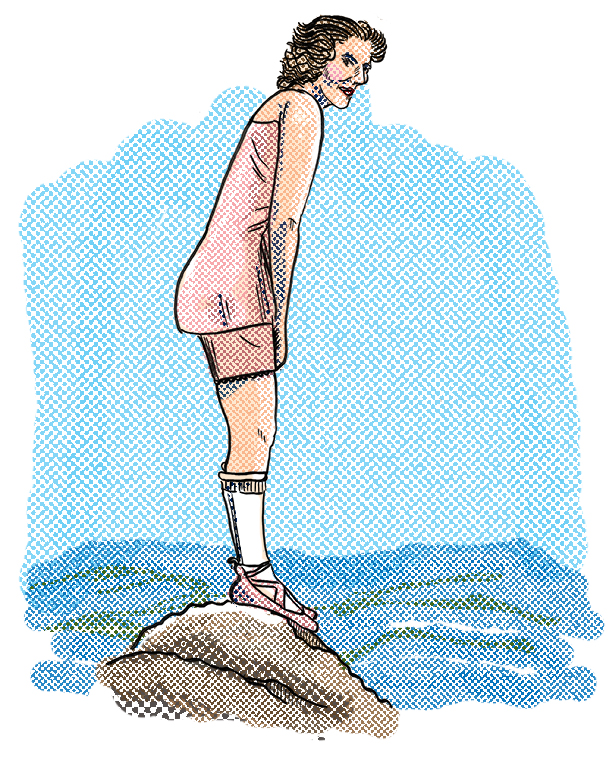
Seventeen-year old Marvel Rea joined up with the Keystone Film Company, landing a spot among the famed Sennett Bathing Beauties, a celebrated group of young ladies assembled by producer Mack Sennett. The Bathing Beauties made promotional appearances for the movie studio and were well received where ever they went. Marvel made her film debut in 1918 alongside Ford Sterling in the Hollywood satire Her Screen Idol. She went on to make over two dozen silent films in a five year period.
Marvel married in 1918, but accusations of physical abuse and rampant drug use by her husband ended the union after just a month.
Just before Labor Day 1936, Marvel was walking alone down 107th Street and Compton Avenue in Los Angeles. Three young men in a red truck slowed down to Marvel’s walking pace. One of the men offered Marvel a ride home. Marvel politely refused the offer. Instead of driving away, the men attacked her. They grabbed Marvel, threw her into the back of the truck and sped off. They eventually stopped at a secluded wooded area fifteen blocks away. The men first beat Marvel then — one by one — raped her. Marvel suffered a seizure during the attack, which startled her assailants. They fled the scene, leaving her as she drifted in and out of consciousness. Marvel lay for four hours until she could gather enough strength to seek help.
The three men were found and arrested by police, charged with kidnapping and assault. All three denied the accusations. In early 1937, the trio of attackers were sentenced to up to fifty years for their crimes. After serving only three years, they were released on technicalities that occurred during their trial.
Just nine months after the brutal attack, Marvel purposely ingested insecticide and took her own life. She was 35 years old.
Comments
retro movies that never were 33
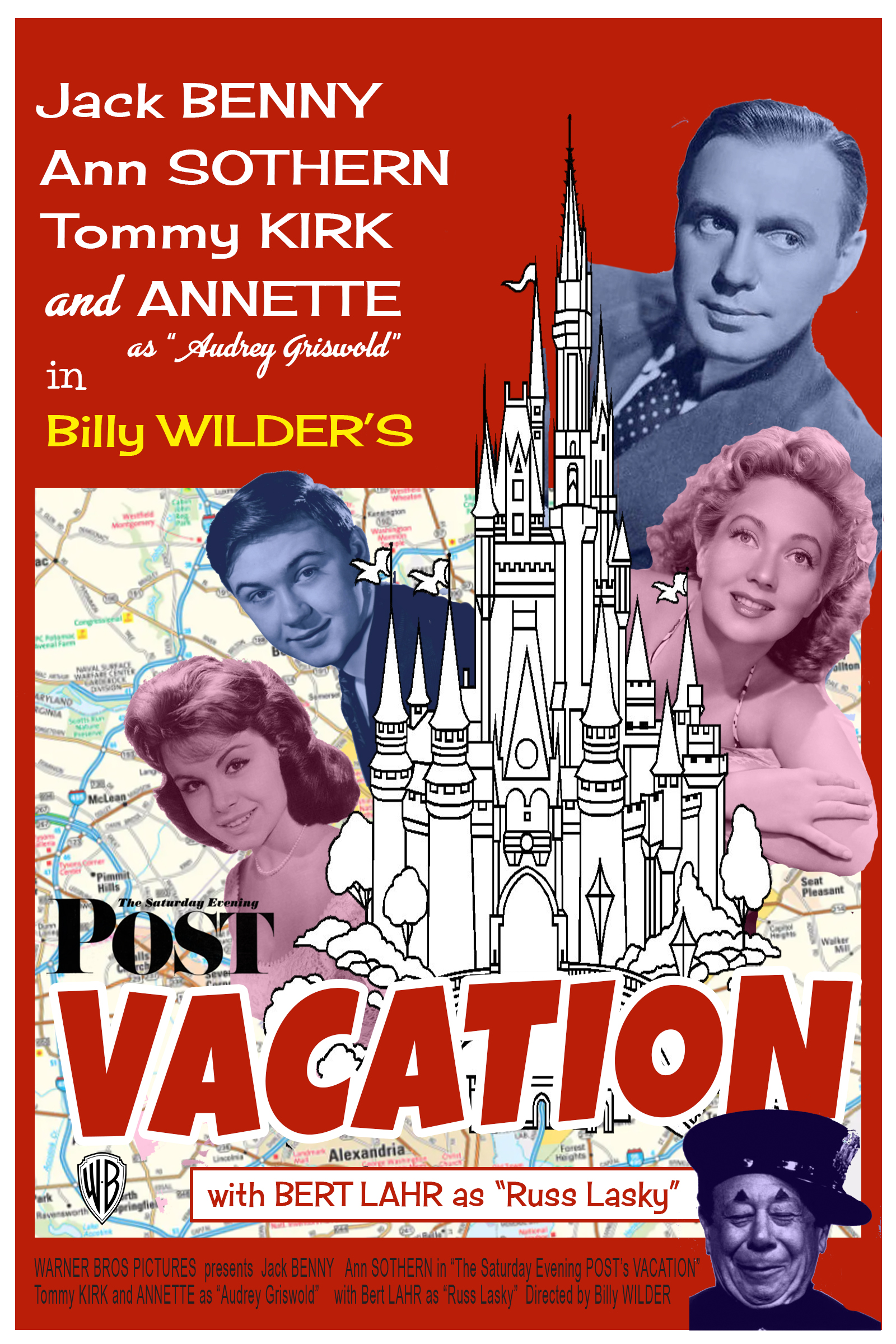
What if there were Griswolds before National Lampoon?
Comments
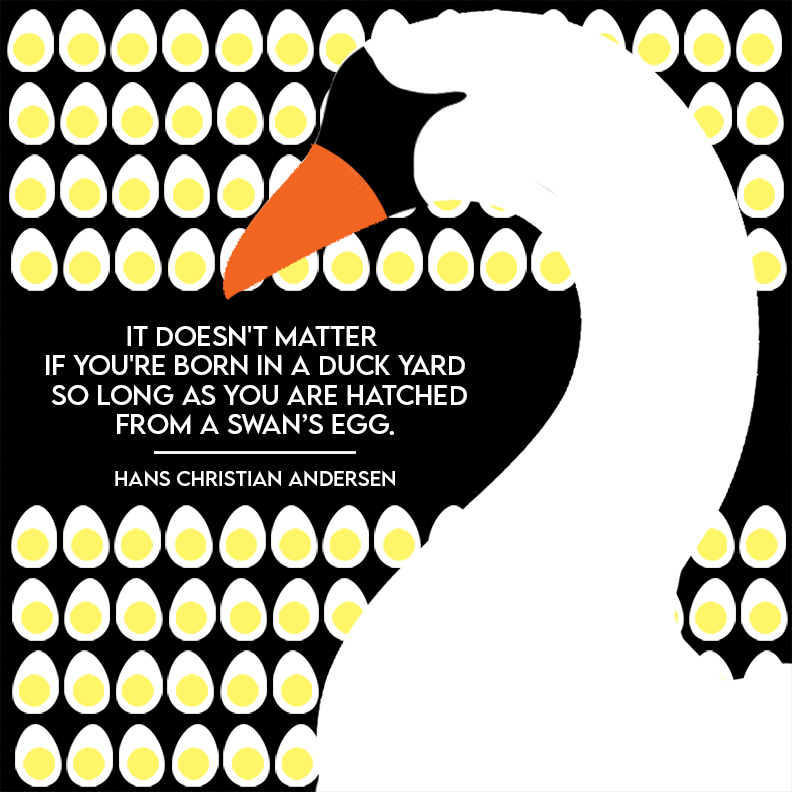
inktober52: egg (part 2)
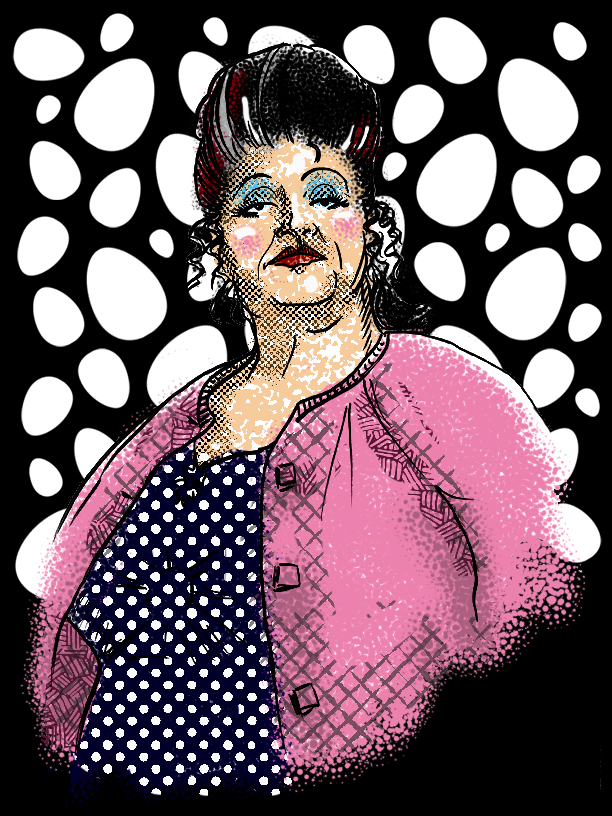
One day, a New York City couple dropped several of their ten children off at an orphanage and left… never to be seen by their abandoned children again. One of those kids was Edith Massey.
Edith wound up in a foster home, where she endured cruel treatment. She put up with it as long as she could. As a teenager, she ran away to Hollywood with dreams of becoming a movie star. She became a barmaid instead. She married a soldier just after World War II, but she grew restless with married life and took off once again. She found herself in Baltimore, tending bar at a hotel. A customer — aspiring film maker John Waters — offered her a role in a project he was working on — an off-beat black comedy called Multiple Maniacs. Edith accepted the dual role of a barmaid and the Virgin Mary in a fantasy sequence. She soon quit her job at the hotel and opened a thrift shop. She also took roles in Waters’s subsequent productions, including her most memorable (and outrageous) performance as “Edie the Egg Lady” in the cult classic Pink Flamingos. Riding her popularity, Edith formed a punk band featuring future Go-Go’s drummer Gina Schock. Edie and the Eggs covered the Four Seasons’ “Big Girls Don’t Cry” and toured the country, sometimes in support of Waters’s film premieres. Her underground fame grew, as Edith posed for a series of risqué greeting cards. Using her earnings from her acting, Edith opened another thrift store, this one in Venice, California, where she stayed when it got too cold in Baltimore. Edith even appeared in a music video with John Cougar Mellencamp, as well as appearing on the cover of his 1980 album, Nothin’ Matters and What If It Did.
In an attempt to branch out, she auditioned for her first non-John Waters film — Paul Bartel’s Western spoof Lust in the Dust. However, Edith became ill prior to filming and had to drop out. She passed away in 1984 from complications related to cancer and diabetes. Edith was 66. A more unlikely star there never was.
Comments
inktober52: egg (part 1)