
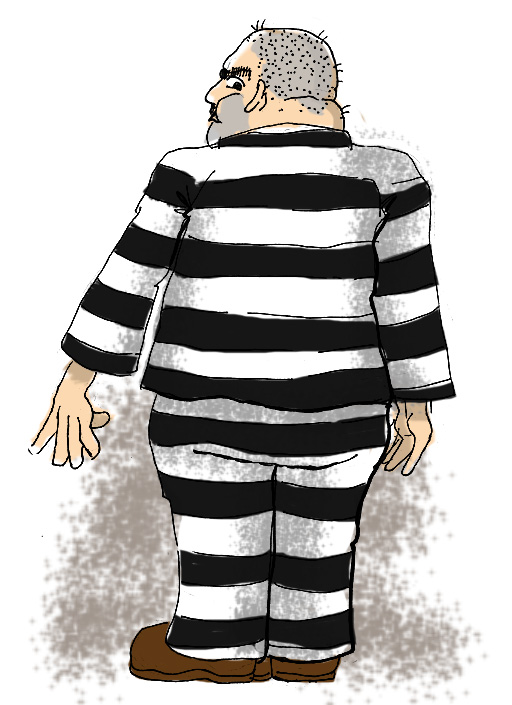
“Do these stripes make my ass look felonious?”
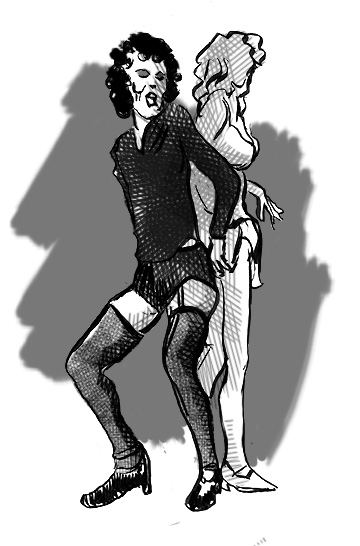
Okay. Okay. Last one…. really. Here is my final Inktober 2016 drawing.
I’ll tell you once. Won’t tell you twice. You better wise up, Janet Weiss.
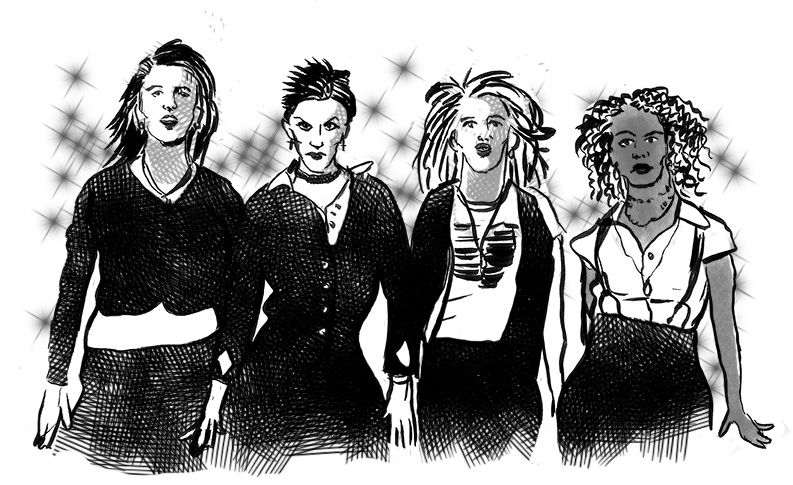
The final entry for Inktober 2016. It’s week five, for those of you playing along at home.
It’s Bonnie, Nancy, Sarah and Rochelle — everyone’s second favorite 90s movie witches.
(The Sanderson Sisters are first, of course.)
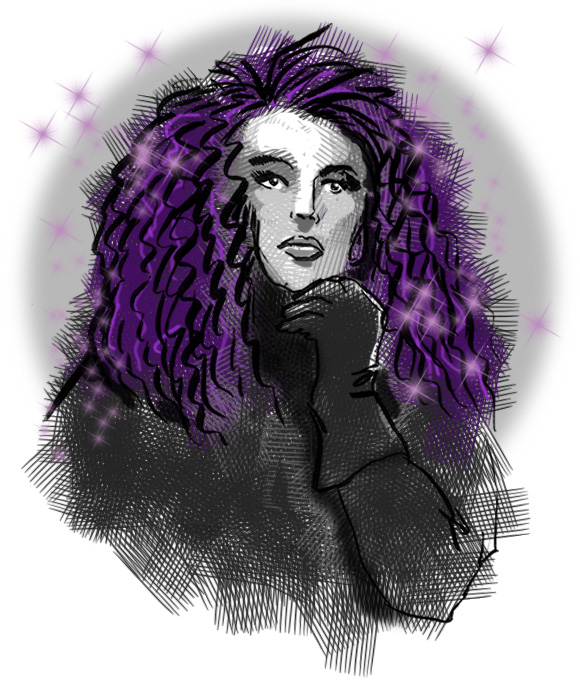
It was pretty apparent that Pete Burns was unique when, at 14, he was sent to the headmaster’s office for arriving at school one morning with no eyebrows, flaming red hair and one gigantic earring.
While working as a clerk in a Liverpool record store, Pete formed his first band, the short-lived Mystery Girls. He then went on the assemble the neo-goth band Nightmares in Wax, but soon changed the band’s name to the ominous Dead or Alive. After minor acclaim with their cover of the disco anthem “That’s The Way I Like It” in 1984, Dead or Alive scored a number one hit with “You Spin Me Round (Like a Record).” The song became an international success and brought Pete and his band instant, though fleeting, fame.
Although he kept Dead or Alive alive as a solo act over the years, Pete gained additional fame as an outspoken and flamboyant figure on British reality television. He appeared on the United Kingdom’s versions of Celebrity Big Brother and Celebrity Wife Swap. He also subjected himself to numerous cosmetic surgeries that altered his appearance beyond recognition. Pete’s evolving, androgynous look prompted him to accuse Culture Club’s Boy George of stealing his image. Regarding his ambiguous sexuality, Pete once said “Everyone always wants to know – am I gay, bi, trans or what? I say, forget all that. There’s got to be a completely different terminology and I’m not aware if it’s been invented yet. I’m just Pete.” In a 2006 interview, Pete revealed that he spent nearly all of his savings on reconstructive lip surgery. He announced a lawsuit against the doctor who performed the procedure.
In 2006, Pete was arrested for assault and later fell gravely ill from a kidney ailment. He declared personal bankruptcy in 2014 and was evicted from his apartment for non-payment of rent. Suffering from recurring deep vein thromboses and pulmonary embolisms rooted as a result of his multiple surgeries, Pete succumbed to a massive heart attack in October 2016. He was 57 years old.
Boy George, his one-time nemesis, remembered Pete as “one of our great true eccentrics.”
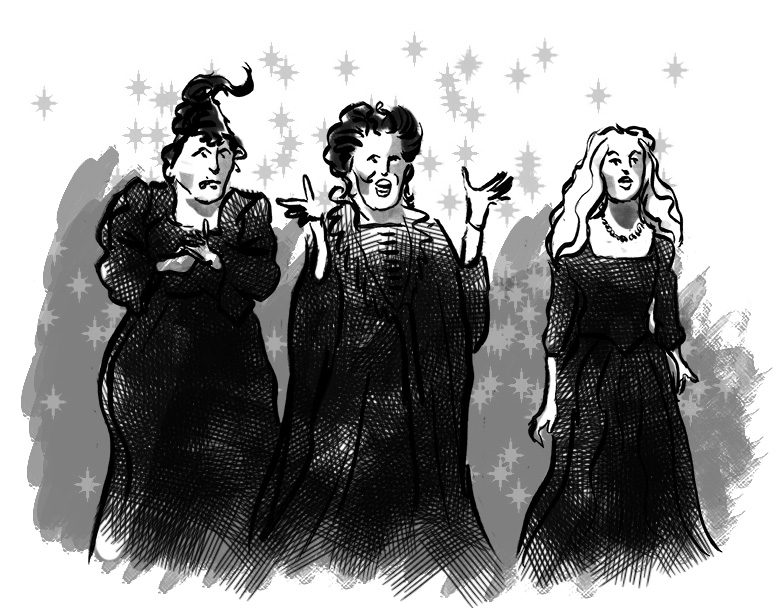
Another Inktober 2016 mid-week bonus.
Mary, Winifred and Sarah! Amok, amok, amok!
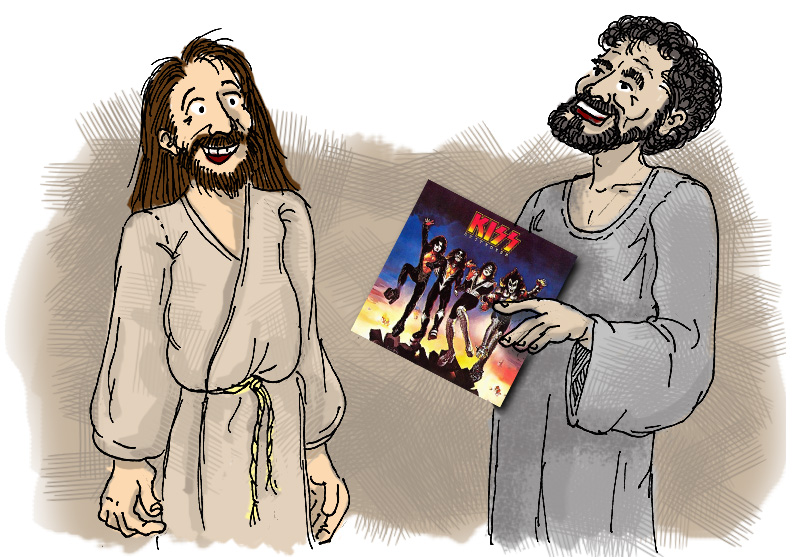
Judas betrays Jesus with a kiss.
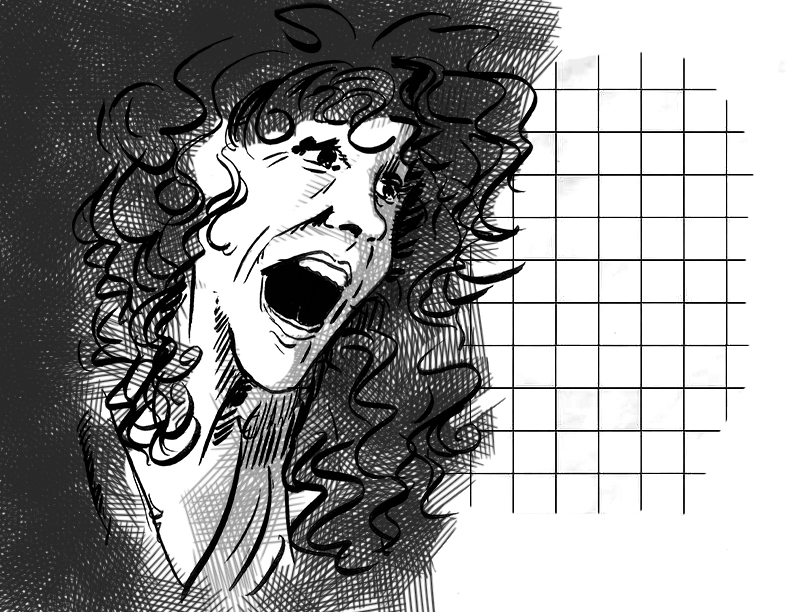
As Inktober 2016 winds to a close, here is my entry for week four.
Amelia is terrified by the Zuni fetish doll that is holding her captive in her own apartment in the greatest, made-for-television movie ever filmed, Trilogy of Terror — a tour de force for the late Karen Black.
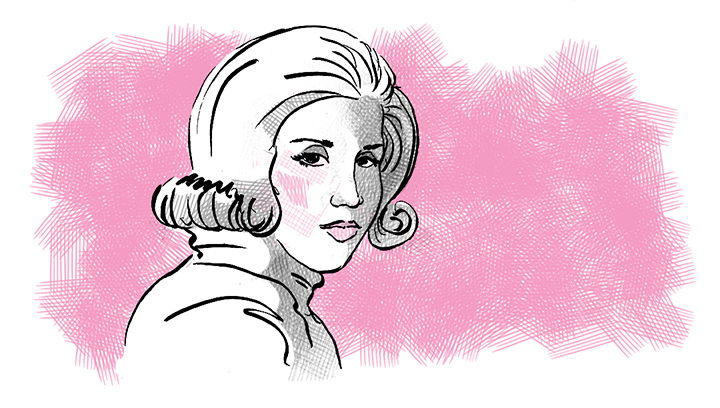
Lesley Goldstein was the voice of youth, decades before Kurt Cobain had the moniker thrust upon him by the “grunge” generation.
At 16, the young, aspiring singer (now using the surname “Gore”) pored over hundred of demos with her novice producer, Quincy Jones. The pair finally agreed on a melancholy tune about a poor birthday girl and her cheating boyfriend. The tune, “It’s My Party,” originally recorded by British pop singer Helen Shapiro, was recut by Lesley and became a number one, international hit. She followed the song with a sequel “Judy’s Turn to Cry.” “She’s a Fool” soon followed. “You Don’t Own Me,” an early feminist anthem held steady at number two, bested only by The Beatles’ “I Want To Hold Your Hand.” “That’s the Way Boys Are, “Maybe I Know,” “Look of Love” and the Marvin Hamlisch-penned, Grammy-nominated “Sunshine, Lollipops and Rainbows” all followed in quick succession. Noted producer Shelby Singleton turned down “Groovy Kind of Love” for Lesley. He refused to let her record a song with the word “groovy” in it.
In 1966, Lesley appeared on the final episode of The Donna Reed Show, singing her hit “We Know We’re in Love.” A year later she played one of the villainous Catwoman’s sidekicks in two 1967 episodes of Batman. Of course, she got to sing in each episode.
In the 80s, she and her brother Michael composed songs for the soundtrack of the film Fame. They were nominated for an Academy Award for the song “Out Here on My Own.” Michael won for the film’s title song.
Lesley was a vocal advocate for gay and lesbian rights and, in 2004, served as host of the PBS series In The Life that focused on LGBT issues. She came out publicly as a lesbian in 2005.
In 2015, while working on a memoir and a Broadway show based on her life and career, Lesley Gore passed away from lung cancer. She was 68 years old. Lesley’s obituary in The New York Times identified her “the voice of teenage girls aggrieved by fickle boyfriends, moving quickly from tearful self-pity to fierce self-assertion.”
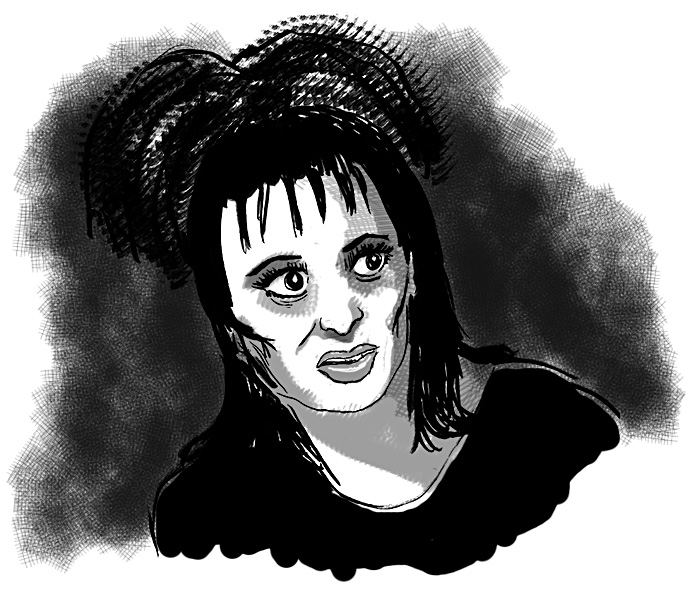
The drawings and the bonuses keep coming in Inktober 2016. Maybe I’m working my way to a-drawing-a-day for next year. Maybe.
“I am alone….. I am utterly alone.” – Lydia Deetz, Beetlejuice (1988)
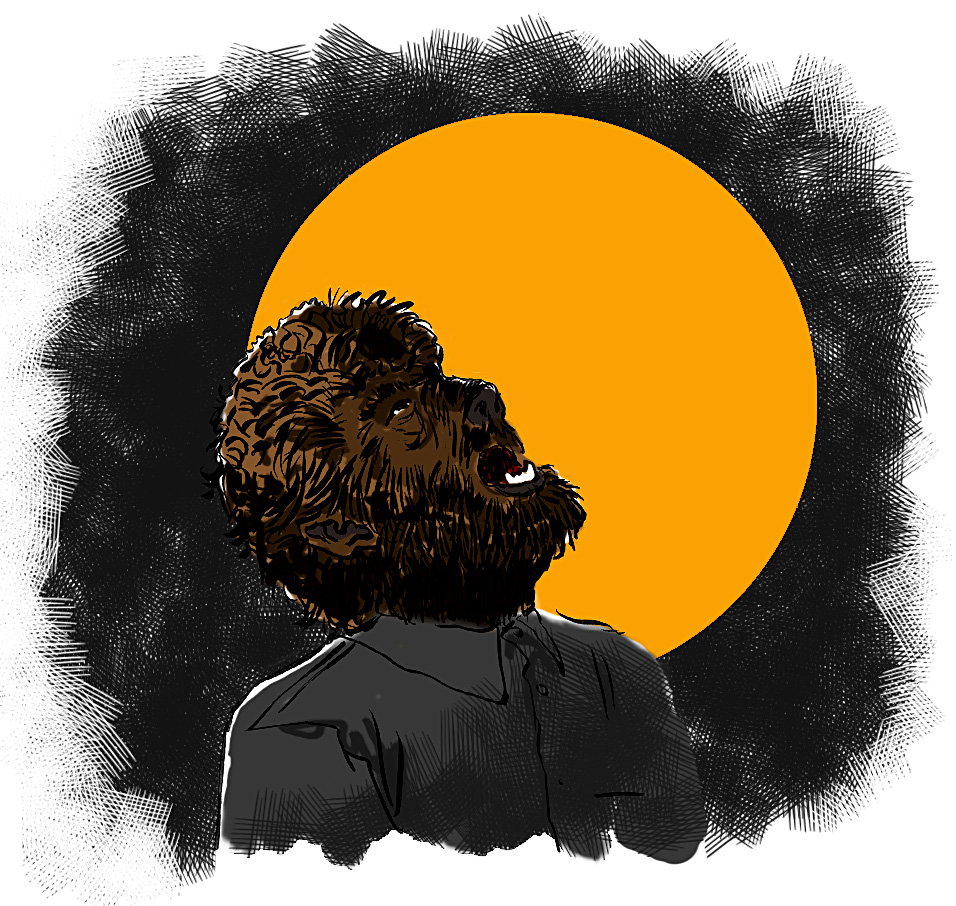
But there’s a full moon risin’
Let’s go dancin’ in the light
We know where the music’s playin’
Let’s go out and feel the night.
Because I’m still in love with you
I want to see you dance again
Because I’m still in love with you
On this harvest moon.