

The USDA decided they need a classification above “jumbo.”

Lou Pearlman wrote a business plan for a class project and soon put his theory into action. He started a helicopter taxi service in New York City, beginning with a single helicopter. He became interested in blimps and trained with a German businessman. He moved to Orlando, Florida and started an advertising business with blimps, securing Jorache as a major client. Soon, he represented MetLife, Sea World and McDonald’s, but after crashing three of his airships, his business folded.
Lou became interested in the music business by way of his first cousin, singer Art Garfunkel. Intrigued by the success of pop group New Kids on the Block, Lou founded TransContinental Records and created the label’s first band, Backstreet Boys from a publicized talent search. The band became the best selling “boy band” of all time. Not satisfied, Lou created NSYNC, O-Town, LFO, Take 5 and others. Eventually, nearly every band on the label sued Lou in Federal Court for misrepresentation and fraud. Lou either lost or settled each suit.
He purchased an internet-based talent agencies and, using an array of false names, used a tactic called “photo mill,” in which agencies force models to shoot portfolios with photographers on their own payrolls. The business received numerous complaints of misrepresentation and was soon shut down.
In 2006, investigations discovered that Lou was behind a long-running Ponzi scheme that bilked numerous investors out of $300 million dollars. He used fake bank statements, a fake accounting firm and false FDIC documents to persuade people to back his fake company, Trans Continental Airlines Travel Services Inc. Lou was sentenced to 25 years in prison and his assets were liquidated at auction.
In 2016, Lou suffered a heart attack and died while in custody at the Federal Correctional Institution in Miami, Florida. He was 62.
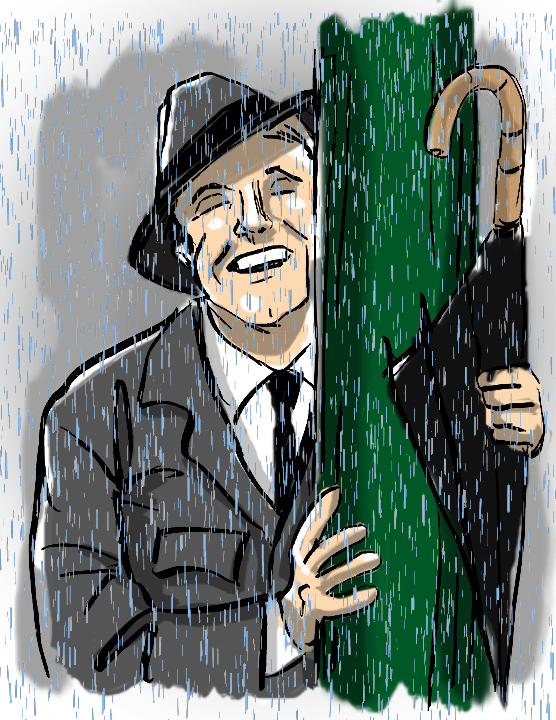
What a glorious feeling, I’m happy again.

Cilla White took a job as a hat check girl at Liverpool’s Cavern Club in hopes it would advance her chances at being a singer. She eventually got the chance to sing, performing with club regulars Rory Storm and the Hurricanes and other local bands. She also struck up a friendship with a group of guys who called themselves The Beatles.
The day after one of Cilla’s performances, a new publication called Mersey Beat reviewed the show, mistakenly calling her “Cilla Black.” She decided to keep it as her stage name. She was soon signed by Beatles’ manager Brian Epstein as the only female in his roster of singers. Her second single, “Anyone Who Had a Heart,” went to Number 1 on the British charts. She released more songs, including a few Lennon and McCartney compositions. All were successful. She soon joined the ranks of Petula Clark and Dusty Springfield.
She was very successful in her native England. She was the only artist to have a hit with the song “Alfie” (from the film of the same name) in the United Kingdom. She had her own television show, simply called “Cilla.” She also appeared in a series of comedy plays on independent British television. In 2013, she was honored for fifty years in show business with a special called “The One and Only Cilla Black.” Her United States exposure, however, was limited to a few appearances on The Ed Sullivan Show and a smattering of other variety shows.
With failing eyesight and long suffering from rheumatoid arthritis, 72-year old Cilla fell in her home in Spain. She was not discovered for hours and suffered a stroke as a result of the fall. She passed away without regaining consciousness.
Just after her funeral, The Very Best of Cilla Black was released in the United Kingdom. It became Cilla’s first Number One album.
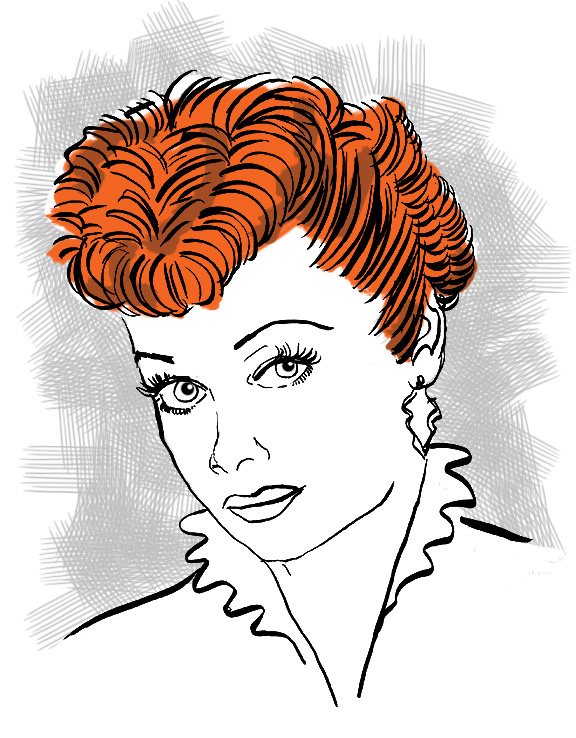
The original Carrot Top.
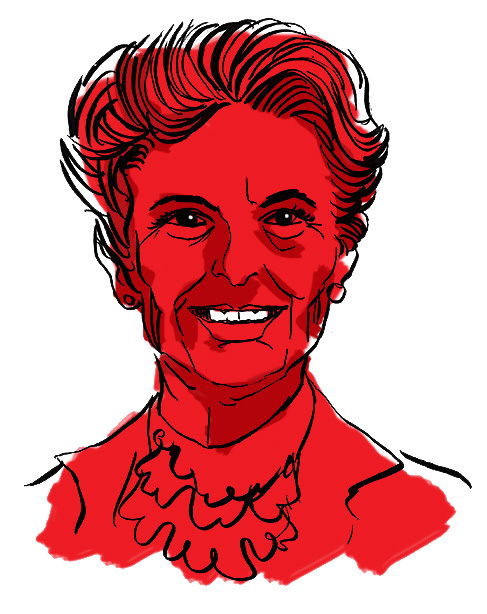
A woman who did for women’s rights what matches did for forest fires.
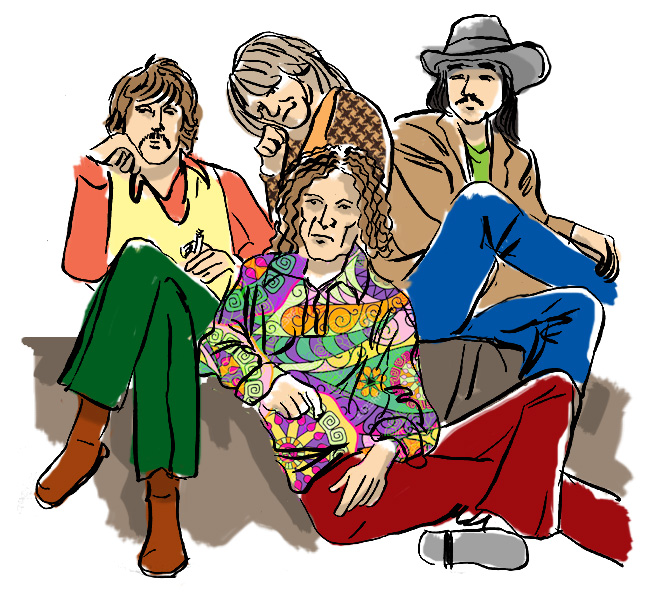
And the thing that you’re hearing is only the sound of
The low spark of high-heeled boys
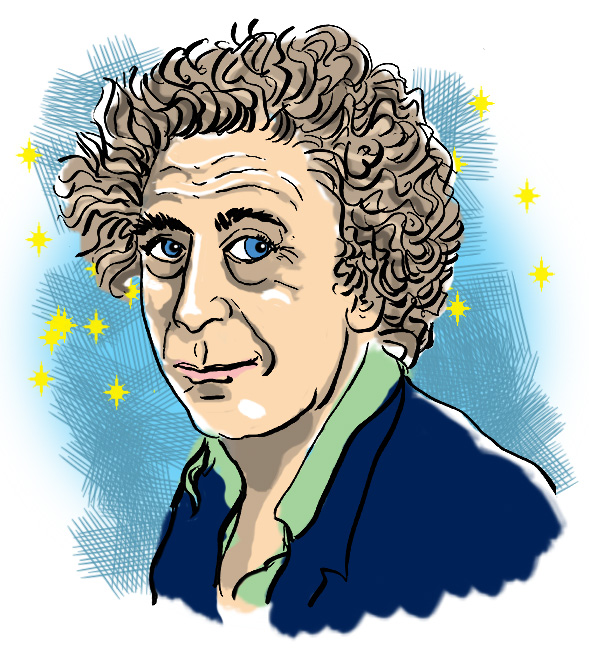
“I want everything I’ve ever seen in the movies!” — Leo Bloom, The Producers (1967)
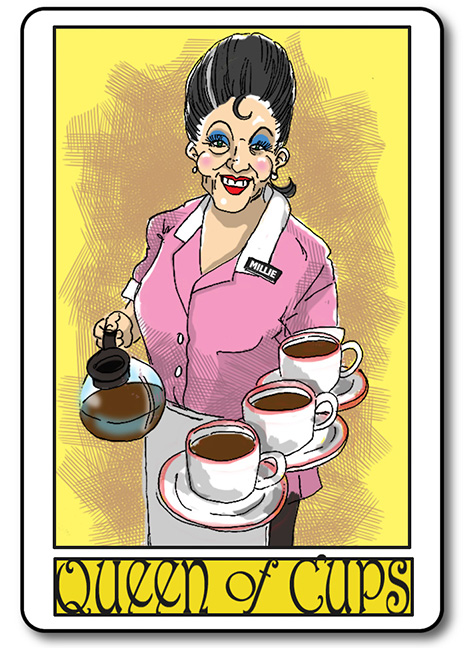
… but to the regulars, she was just “Millie.”
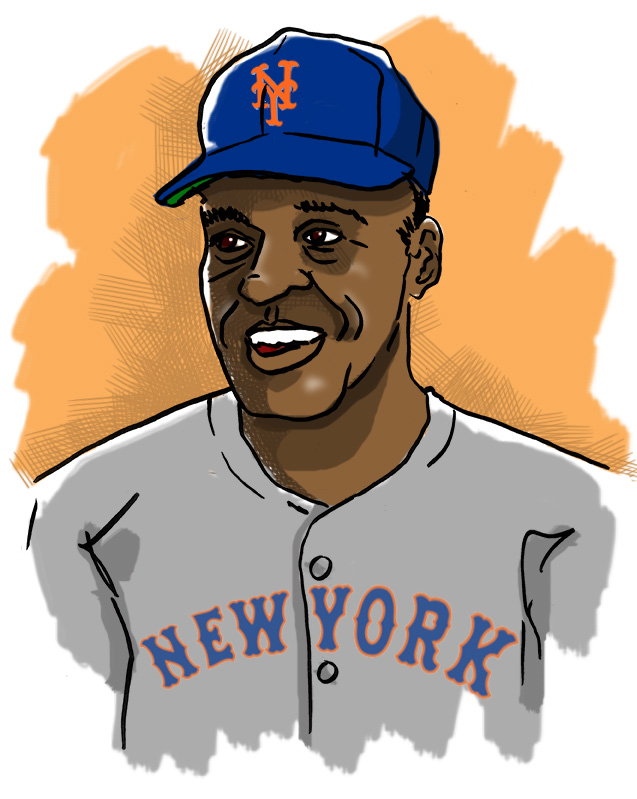
Young, eager Choo-Choo Coleman was drafted by the Washington Senators in 1955, however he was soon released. He was picked up by the Brooklyn Dodgers but signed with the Philadelphia Philles in a Rule 5 draft. In 1961, after getting hit by a pitch in his first Major League plate appearance, he played in 33 more games for the Phillies. He posted a dismal .125 batting average and was taken by the brand-new New York Mets in the expansion draft.
He was perfect for the abysmal Mets. He had a low batting average. He had only nine career home runs and as a catcher, he was awful. He had great difficulty handling pitchers, prompting Mets’ manager, Hall of Famer Casey Stengel to offer this back-handed compliment: “I never seen a catcher so fast at retrieving passed balls.”
Choo-Choo called it a career in 1966 and returned to his native Orlando, Florida. After his first wife passed away, he married into a family who owned and operated a Chinese restaurant in Newport News, Virginia. He helped to run the business, even working as a cook when needed. He lived in relative obscurity until he was invited to a 2012 event to celebrate the 50th anniversary of the Mets. He graciously appeared at the celebration in New York, taking his first airplane ride in 35 years to get there. He dispelled many rumors and confirmed others, including the origin of his nickname. “I got it as a kid ’cause I was fast,” he said proudly. At the celebration, his former teammate and roommate Charlie Neal asked him if he remembered his name. Choo-Choo replied, “Sure. You’re Number 4.” Known to be forgetful, Choo-Choo called everybody “Bub.” When asked what was his wife’s name and what’s she like, Choo-Choo answered, “Her name is ‘Mrs. Coleman and she likes me.”
Choo-Choo Coleman passed away earlier this month at the age of 78.