
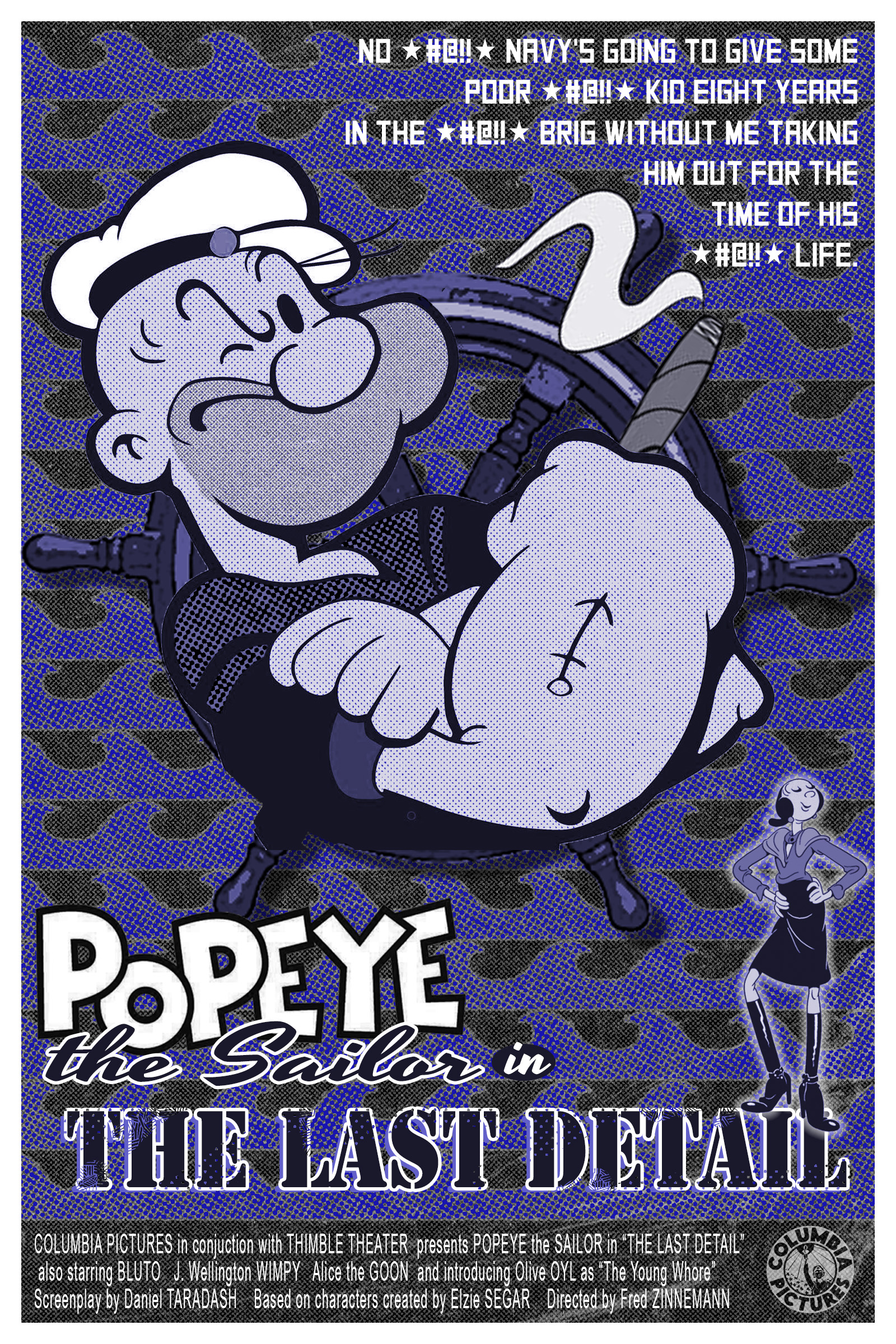
What if Popeye showed his true Navy roots?

Willard Scott, the avuncular weatherman on NBC’s The Today Show passed away this week at the age of 87. He enjoyed a long and productive career in broadcasting, beginning in the 1950s with a live, improvised radio show originating in Washington, DC. At the same time, he worked with local TV station WRC in children’s programming. He portrayed “Bozo the Clown” and “Commander Retro” to the delight of young viewers. He also served as the station’s weatherman during news broadcasts.
In 1980, he was tapped by NBC to replace departing meteorologist Bob Ryan on The Today Show. He brought his homey sense of humor and off-the-wall antics to the position, becoming an iconic and welcome figure to viewers coast-to-coast. In 1983, under the sponsorship of the J.M Smucker Company, Willard began announcing and acknowledging the 100th birthday of viewers on the air. Willard’s daily segments became very popular… that is until a memo, written by then-cohost Bryant Gumbel, blasted Willard Scott, opining “he holds the show hostage to his assortment of whims, wishes, birthdays and bad taste…This guy is killing us and no one’s even trying to rein him in.” Willard was hurt, but — being the consummate professional — offered his forgiveness in the form of a kiss on Gumbel’s cheek.
In the late 1990s, Willard went into semi-retirement, turning his daily duties over to Al Roker. He continued to announce milestone birthdays (and perform his wacky shtick) on a weekly basis until his full retirement in 2015.
According to Willard, he created the universally recognized advertising icon of “Ronald McDonald” in 1963, as requested by a Washington DC McDonald’s restaurant. Dressed in a similar fashion as his “Bozo” persona, Willard added several paper McDonald cups and trays as enhancements to the costume. He called himself “Ronald McDonald, the Hamburger-Happy Clown” and filmed three separate TV commercials that ran as local spots in Washington. However, while they do acknowledge that Willard Scott portrayed an early version of the beloved mascot — one of the first in a long line of actors over the years, they make no mention of Willard Scott being the creator of Ronald McDonald.
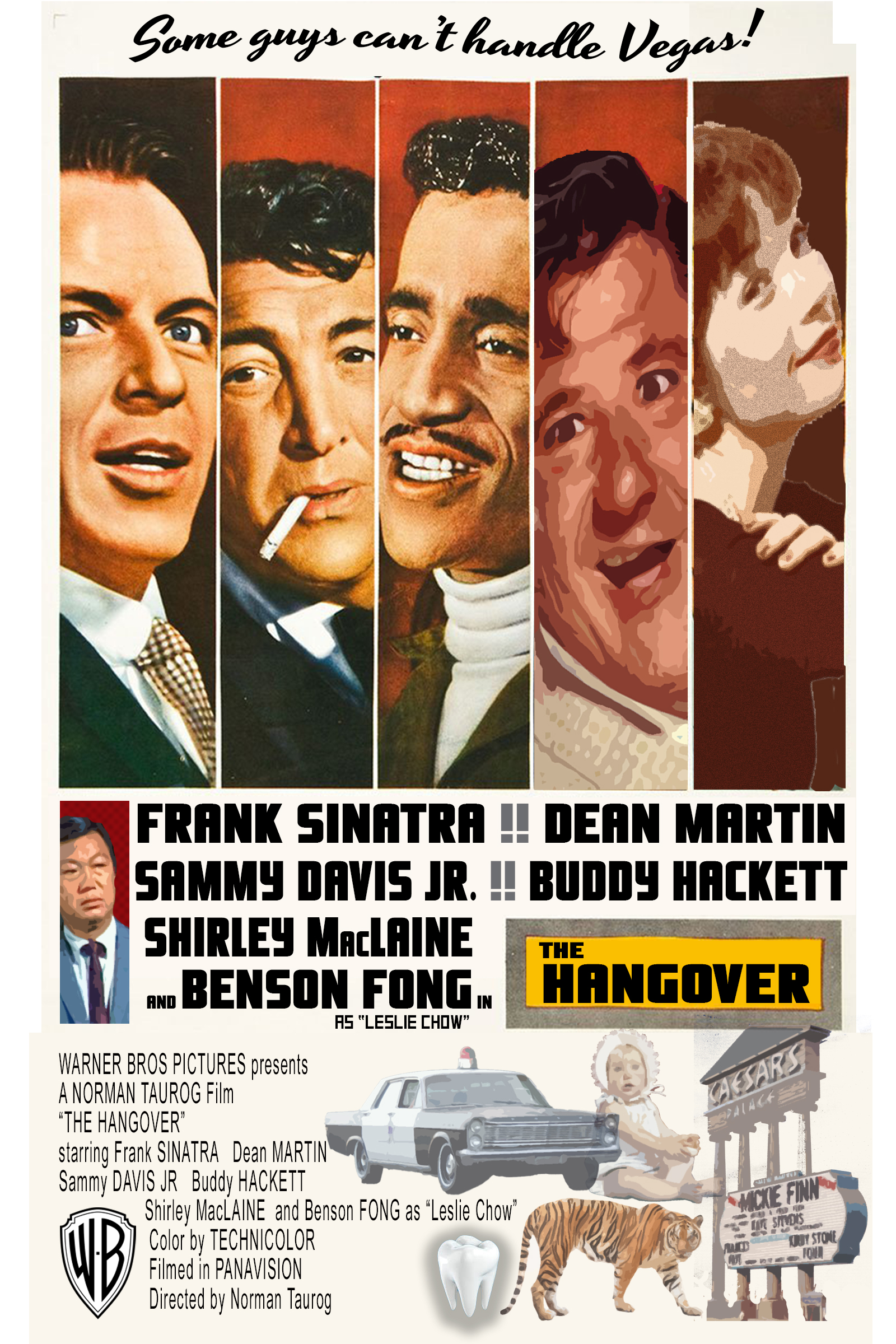
What if the Rat Pack acted like…. well…. the Rat Pack?

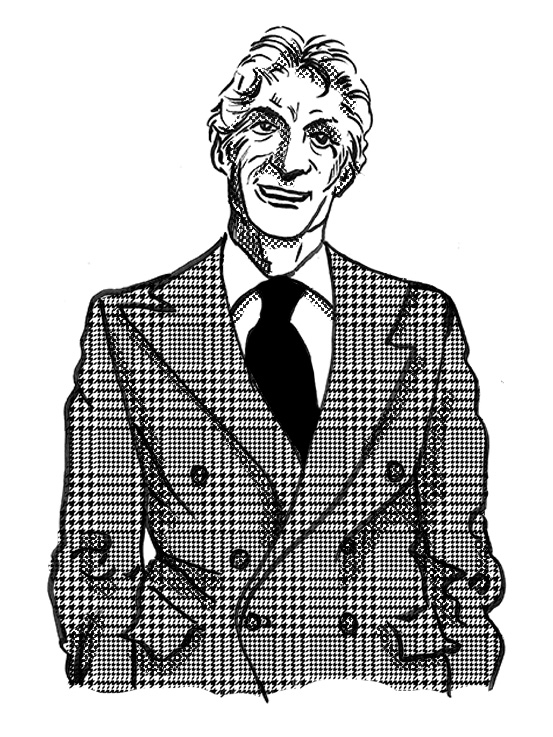
Charlie Watts, the longtime drummer for the venerable Rolling Stones passed away last week at the age of 80. His death prompted an outpouring on social media of love and condolences in the form of memories, stories and anecdotes from a host of renowned peers, like Paul McCartney, Pete Townshend, Elton John and many, many more. The notorious story of a nattily-dressed Charlie decking his bandmate Mick Jagger was the most often repeated tale and — to be honest — I was going to relate that story myself, until I heard this one.
Australian rocker Nick Cave was asked by a fan if he felt any sort of kinship to the late drummer and he had these heartfelt words to offer….
About ten years ago I decided that it might be a good idea to get in shape for an upcoming tour and so I booked some training sessions at a local gym in Brighton. I’d never trained or even entered a gym before and I also didn’t have any kit, and so, in preparation, I ordered a tracksuit from Amazon. When it arrived the tracksuit was very small — I think it was actually a child’s size. I had forgotten to order trainers but found an old pair of giant white sneakers that had belonged to one of the kids. As I left the house for my first session at the gym I was aware that I looked ridiculous and so I stuck on a bucket hat that was lying around in an effort to disguise myself.
I spent the most punishing hour of my life in the gym that day, with a trainer who, as far as I’m concerned, basically violated me. Drenched in sweat, I left the gym vowing never to return. On the drive home I suddenly remembered that I had promised Susie that I would pick her up from Heathrow — I also realised that I was late and had no time to go home to change out of my gym clothes but I thought, ‘Fuck it, I’ll drive straight to the airport, run into the terminal to meet her and then get out of there, no one will see me.’
When I arrived at the airport I needed to have a piss so I stopped at the bathrooms and as I walked back out, in my tiny tracksuit, my giant white trainers and my bucket hat, there, walking toward me, was Charlie Watts of The Rolling Stones. He had silver hair and was dressed in an elegant pearl-grey three piece suit, a button down checked shirt and a tie. He literally glowed with a kind of inner serenity, and as we passed each other we locked eyes for a moment and he smiled at me — not an unkind smile, but not a kind one either, rather the impassive look one animal might give to another in the wild, that signaled their complete and total supremacy.
As I watched Charlie Watts disappear into the crowd, I rearranged my bucket hat, and thought, “There goes a truly great drummer,” which is what I thought when I heard the news this week of his passing — “There goes a truly great drummer.”
Sure. the story of Charlie Watts dressing in a suit in the middle of the night to punch Mick Jagger in the face is a great legacy. Nick’s memory is equally as “rock & roll”.
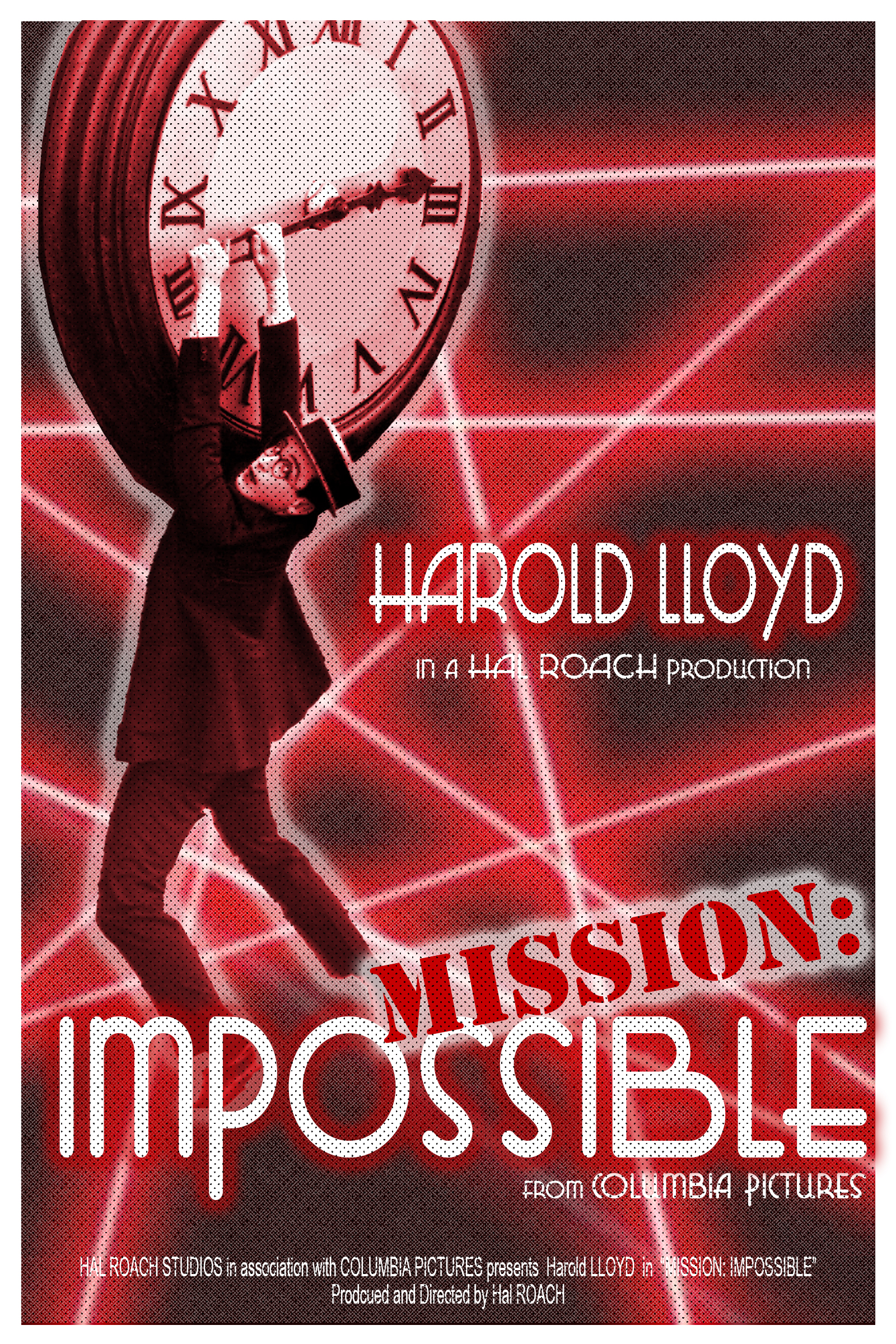
What if things got really dangerous for Harold Lloyd?


Nancy Frankel graduated in 1952 from Temple University’s Tyler School of Art and pursued and received a Masters Degree in art education from Columbia University. She explored a variety of mediums, working in tempera paint and graphite as well as bronze, Plexiglas, cut wood and other materials to create three-dimension sculptures. Her abstract works reflected her interest in music, nature and human relationships.
Nancy was nurtured by a number of strong and influential female teachers as she studied at Tyler and Columbia. She felt the need to “give back” to younger female students once she herself became a teacher. She lived in Kensington, Maryland — midway between Rockville and Sliver Spring — and often took in hopeful female art students to help them in developing their artistic skills. She would often place “works-in-progress” on her front lawn. Neighbors would comment on the works while they talked with Nancy and whatever student was her current resident.
Except for Julia Birch. There was something a bit “off” about Julia Birch.
Julia had moved in with Nancy at the beginning of 2021. She was quiet. She kept to herself, unlike the previous students that lived with Nancy. Julia wouldn’t return neighbors’ morning greetings, She wouldn’t wave and she would rarely speak.
On July 28, Julia woke up in the morning, quietly went to Nancy’s bedroom and suffocated her. Then she called 911 to report what she had done and waited for police to arrive. Nancy Frankel was 92 years old.

What if Showgirls was really what it was?