DCS: janis carter

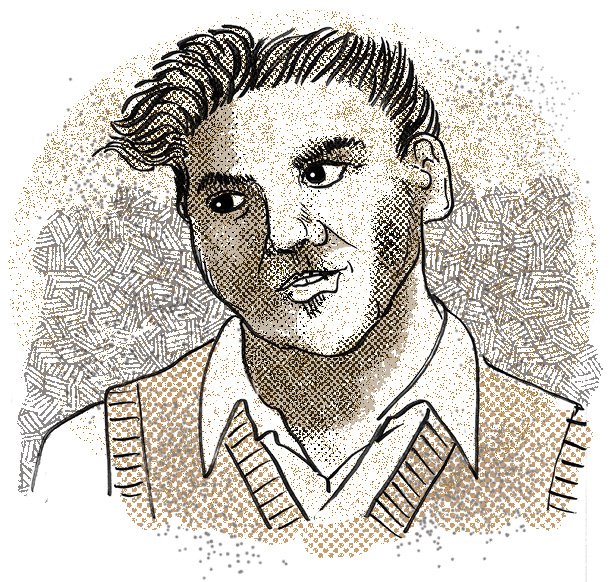
Pretty Janis Dremann headed for New York City after graduating college in her native Cleveland. She adopted her grandmother’s easier to spell and pronounce surname “Carter” and dreamed of becoming an opera star on the New York stage of the Metropolitan Opera. Unfortunately, a case of the nerves at her audition dashed her singing dreams. Janis, however, was determined and she found a comfortable home on the Broadway stage, landing roles in DuBarry was a Lady and Panama Hattie. Producer Darryl F. Zanuck was in the audience on the evening of her debut in Panama Hattie. Impressed with her performance, he signed the 27-year old actress to a movie deal.

Janis made her screen debut in Cadet Girl, alongside Carole Landis and George Montgomery in 1941. Over the next years, Janis co-starred in 30 films, appearing with popular box-office draws like Glenn Ford and John Wayne. After co-starring with Robert Young in the 1952 Western The Half-Breed, Janis bid farewell to Hollywood, returning to New York to try her hand at the budding television industry.

Finding plenty of roles in TV comedies and drama, Janis settled into a hostess role on the game show Feather Your Nest with host Bud Collyer. Although popular, it was a stint that would only last two years. In 1956, Janis married lumber tycoon Julius Stulman and she promptly left her show business career behind. Janis and her husband moved south where Janis became active in cultural and community activities.

Out of the spotlight for over forty years and living in near anonymity, Janis suffered a fatal heart attack in 1994. She passed away at the age of 80.

Comments

comments

DCS: vanessa marquez

At 20 years old, Vanessa Marquez made her acting debut in the 1988 drama Stand By Me. She landed guest roles in television series and several forgettable movies before securing the part of “Nurse Wendy Goldman” in the popular medical drama ER. Later, she took a turn at comedy in a recurring role on the sitcom Malcolm & Eddie.

It was on a 2005 episode of the reality series Intervention where she was confronted by a group of friends and family trying to convince the actress to seek help with her on-going depression. Vanessa was diagnosed with bipolar disorder and agoraphobia that essentially ended her acting career. Friends later revealed that the treatment Vanessa received was unsuccessful.

In August 2018, police were called to Vanessa’s South Pasadena apartment. Her home was in disarray and she told officers and accompanying medical personnel that she was having a seizure. However, when authorities approached her front entrance, Vanessa raised and pointed a gun at them. The officers — who at first retreated — called for her to drop the weapon. When she refused and continued to advance on them, they fired. Vanessa was shot and killed. It was later determined that Vanessa’s weapon was a BB gun. An investigation concluded that officers acted in self-defense. Vanessa was 49 years-old.

In February 2019, Vanessa’s mother filed a wrongful death claim against the City of South Pasadena. The claim alleged a number of charges including battery, negligence, unlawful entry, wrongful death, negligent training, conspiracy, seizure of property, failure to summon prompt medical care and violation of the Bane Act, which forbids acts of violence because of race, color, religion, ancestry or national origin.

In March 2020, bodycam footage released by the police department show Vanessa pleading with police to kill her while she wielded the gun.

Vanessa’s cremated remains were scattered at the Hollywood sign.

Comments

comments

DCS: mariska veres

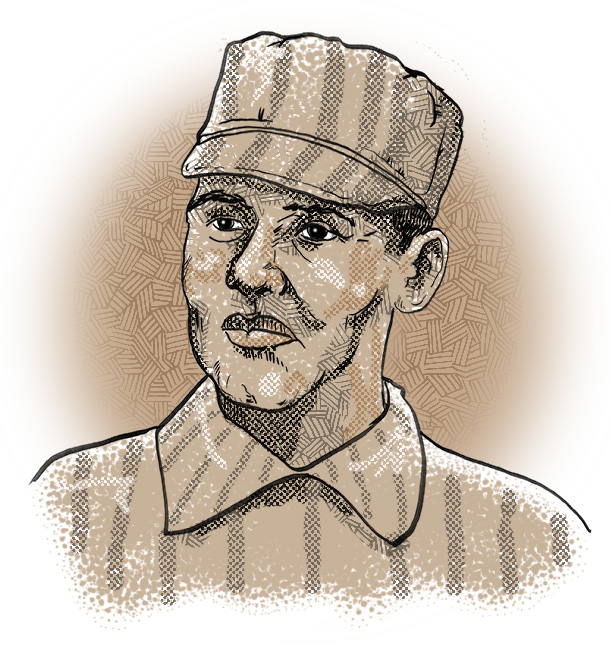
Mariska Veres was something of a child prodigy. Her father was a noted violinist and young Mariska would often accompany him on piano for performances.

Teenage Mariska bounced around a number of different pop bands in her native Netherlands. She sang, played guitar and keyboards and enchanted her audiences with her exotic dark looks and distinctive ancient Egypt-inspired eye makeup. She soon became a favorite of the budding psychedelic club scene in The Hague.

In 1968, Mariska was asked by guitarist Robbie van Leeuwen to audition for his band to replace the departing vocalist Fred de Wilde who had joined the military. She was reluctant at first, but soon became comfortable enough to take the lead vocalist position. In 1969, the band — Shocking Blue — scored an international hit with “Venus,” topping the charts in nine countries including the Number One spot on Billboard’s “Hot 100.” Shocking Blue received wide praise, with US entertainment columnist Earl Wilson singling out Mariska as a “beautiful busty girl.” The band released a string of follow-up songs — all hits — but none achieving the status of “Venus.” Some didn’t even crack the charts in the all-important United States or England. The band members eventually went their separate ways in 1974, with Mariska embarking on a successful solo career in Europe. Shocking Blue reunited briefly in 1984, riding on the success of Bananarama’s new-wave take on “Venus.” The reunion, however, was short-lived.

In the early 90s, Mariska formed a jazz ensemble and released jazz interpretations of Shocking Blue’s songs. In later years, she lamented about being treated like a “painted doll” by fans and the press. Diagnosed with gallbladder cancer, Mariska passed away in 2006 at the age of 59.

Comments

comments

DCS: claes oldenburg

I have been drawing since I was a little kid. Much to my parents’ chagrin, I decided to make art my chosen career. I went to art school and I have made a living as a professional artist — in one capacity or another — for over 40 years.

Unlike a lot of my colleagues and contemporaries, I am not a fan of art museums. And while I admire some other artists, I am not a “student of the arts.” I don’t study the established “old masters” and those who are revered by the art world. Sure, I can run the various “art” categories on Jeopardy!, but that’s only because I remember a lot of what I was forced to learn in an art history class four decades ago.

I worked in the marketing department of a prominent Philadelphia law firm for about ten years. They were pretty well connected to the cultural community in the city. They were the long-time legal representatives of the Philadelphia Art Museum and the Philadelphia Academy of Fine Arts. While I was in their employ, I was offered the opportunity to attend a reception at which Claes Oldenburg was the main honoree.

I froze.

There are just a handful of famous artists whose work I truly admire. Roy Lichtenstein. Edward Hopper. Johannes Vermeer. Seward Johnson. And what do they all have in common? They are all dead, so no chance of meeting them.

Claes Oldenburg, in my opinion, is an incredible artist. I don’t use words like “incredible” often. I reserve using words like that only when I truly mean it. Ever since the installation of the iconic “Clothespin” at 15th and Market Streets in Philadelphia, I have been awed by Claes Oldenburg’s work. His gigantic sculptures of everyday, unremarkable objects are magnificent. They are on display all over the world, from the giant “FREE” Stamp on the front lawn of Cleveland’s City Hall to the Ice Cream Cone atop the Neumarkt Galerie in Cologne, Germany to the Broken Button on the University of Pennsylvania’s Campus right here in Philadelphia, Claes Oldenburg’s art is accessible, while being imposing and slightly chilling. Art should evoke feelings and emotion and Claes Oldenburg knows how to evoke — as the kids say — “all the feels.”

That’s why I turned down the invitation to meet him. I was just too intimated. I have met many, many famous people in my life. Television stars, musicians, Oscar winners, sports figures, politicians — and I was unfazed by all of them. But the thought of coming face to face with the creator of art that I have loved and admired…. that would be too much for me to bear.

Claes Oldenburg passed away in July 2022 at the age of 93. He was an impactful and unique artist.

I have no regrets.

Comments

comments

DCS: robin williams

Robin Williams was funny, manic, inspired, hysterical and troubled. Rather than put himself and his family through the potential turmoil that awaited upon his diagnosis of Parkinson’s Disease, Lewy Body Dementia, increasing paranoia and continued depression, he took his own life.

Robin Williams committed suicide on August 11, 2014 at the age of 63. (My 53rd birthday.)

Comments

comments