
DCS: geoff stephens
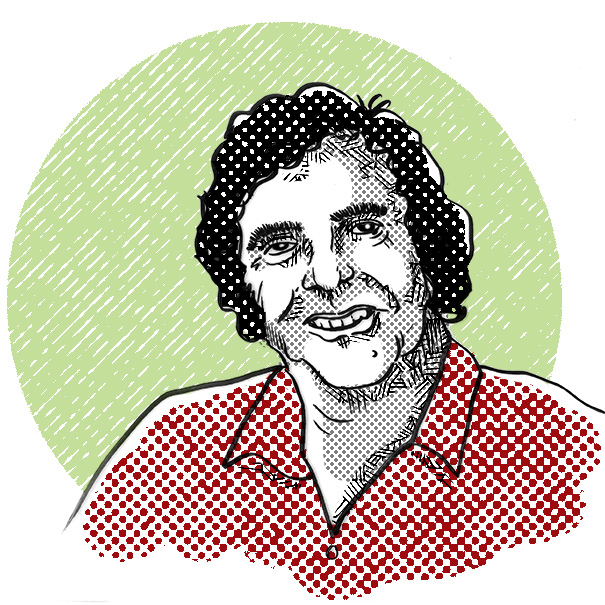
A prolific songwriter, Geoff Stephens wrote a slew of hits for one-off groups in the early days of British rock. In 1964, singer Dave Berry recorded Geoff’s song “The Crying Game” to great success. Later the same year, Geoff co-produced the debut album for British psychedelic folksinger Donovan.
In 1966, Geoff assembled a group of studio musicians to form the New Vaudeville Band. They had an international hit with the throwback novelty tune “Winchester Cathedral.” The song won a Grammy at the following year’s awards ceremony and was covered by a range of performers including Frank Sinatra and Dizzy Gillespie. The song “There’s a Kind of Hush,” also appeared on the New Vaudeville Band’s debut album. It was later recorded by Herman’s Hermits and even later by The Carpenters.
In the late 60s and early 70s, Geoff was writing hits for recording artists like Cliff Richard, Tom Jones, Mary Hopkin, Scott Walker, The New Seekers, Hot Chocolate and many others. The 1970 United Kingdom entry in the Eurovision Song Contest was penned by Geoff. In the 80s, he was writing songs for musicals with a variety of collaborators. In 2005, he was involved with the production of a musical based on the lives of the notorious Bonnie & Clyde.
Geoff passed away on Christmas Eve 2020, another casualty of the worldwide COVID-19 pandemic. He was 86.
Comments
inktober52: hawk (part 2)
Comments
inktober52: hawk (part 1)
Comments
DCS: topol

Chaim Topol, or just Topol, as he was known professionally, passed away this week from complications related to Alzheimer’s disease . His career spanned seven decades and he conquered film, television, stage and even musical recordings. He is most closely associated with the role of “Tevye the Dairyman,” the main character in the 1971 musical Fiddler on the Roof. He had previously played the part on the stage where he impressed the film’s director Norman Jewison so much he was cast almost immediately. Topol was featured in a number of other films, including Cast a Giant Shadow with Kirk Douglas and For Your Eyes Only, a 1981 entry in the James Bond canon. He also co-starred in the ill-conceived science-fiction film Flash Gordon in 1980. It was a feeble attempt to capitalize on the “sci-fi” craze started by Star Wars several years earlier. The film was a loving tribute to the Saturday matinee serials starring Buster Crabbe and managed to land acclaimed actor Max Von Sydow as the villainous “Ming the Merciless,” an alien with obvious Asian leanings. This fared well in Flash Gordon’s original run in the 1940s when the United States was at war with Japan, but in the 80s (and especially today) the character is overtly racist. The film’s soundtrack was composed and performed by British superstars Queen and spawned a radio-friendly single to boot. And in the middle of this mess was Topol, as the brilliant scientist “Dr. Hans Zarkov,” doing his best to bring some dignity to an otherwise dismal production.
When I used to frequent collector and autograph shows, I met Sam J. Jones, the strapping star of Flash Gordon. Jones, like most actors in his category, has relegated himself to appearing at fan conventions where he happily signs photos and mingles with the legions of nostalgia aficionados, enamored by a role he played decades earlier. When I attended these shows, I liked to engage the celebrities in conversation rather than just gush “Oh, I loved your movie!” When I approached the still-imposing Sam J. Jones, now a little older and far less blond than when he appeared as the intergalactic hero, I asked him what it was like to work with Topol. Sam’s face lit up. He chuckled and explained that Topol was a blast! He said that between takes and on downtime on the set, Topol would sing for the cast and crew and encouraged everyone to join in. He went on to say that Topol made the sometimes grueling process of filming a movie a true pleasure. He was always cheerful and gregarious and made everyone feel like a friend.
I was very happy to hear that. That’s the Topol I want to remember.
Comments
inktober52: frame
Comments
DCS: ted cox
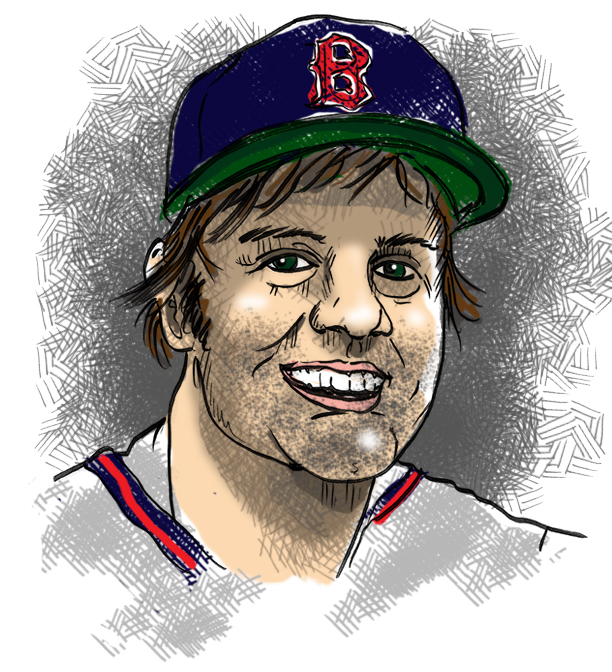
Ted Cox had a pretty inauspicious five-season career in baseball. He was drafted by the Boston Red Sox in 1973 and spent five years making his way through the team’s farm system. He made his Major League debut at the end of the 1977 season. In Ted’s first game, he went 4-for-4. After the game, reporters told Ted he had tied the American League record for most hits in a first game. This feat was only achieved by three other players — Casey Stengel, Willie McCovey and Mack Jones. He got two more hits in his first two at-bats in his second game, cementing his place in the record books as the only player to begin his career 6-for-6. When he approached the plate for his next at-bat, the crowd cheered and he noticed his batting average on the scoreboard as “1.000.” Ted looked at Yankee catcher Thurman Munson, and asked what he should do. Munson scowled at the rookie and replied, “I dunno, but enjoy it because you don’t get many of these moments. I guess if you tip your hat it would shut these people up.”
Ted Cox also holds another record among Major League baseball players. This one, however, isn’t nearly as impressive. Ted Cox is the only player in Major League Baseball history whose first name and last name rhyme with the team he played for. (Ted Cox/Red Sox.)
Ted passed away on March 11, 2020 at the age of 65.
Comments
inktober52: botany
Comments
DCS: zina bethune
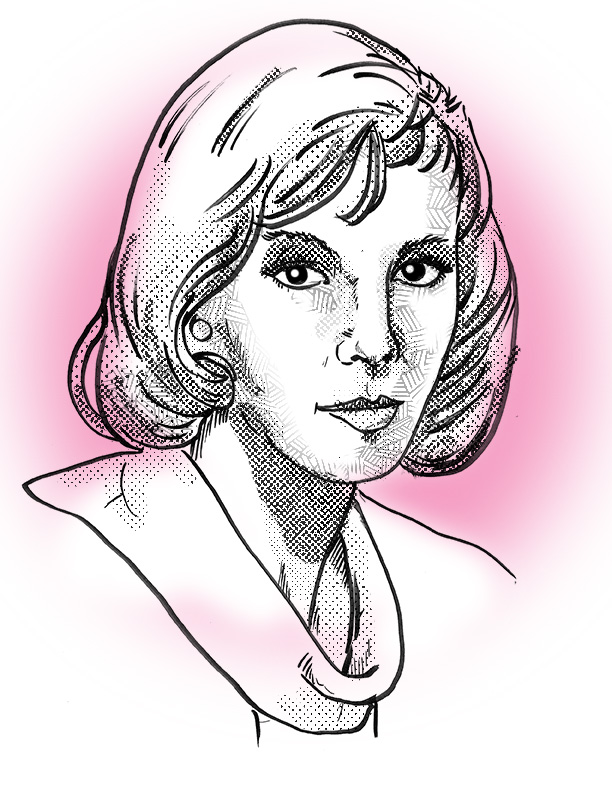
Seven-year old Zina Bethune studied dance at the famed George Balanchine School of American Ballet. She enrolled as a method of strengthening her legs and body after a diagnosis of scoliosis and hip dysplasia. By the age of 10, she was performing in The Nutcracker. At 14, she was dancing in the prestigious New York City Ballet. Parallel to her blossoming dancer career, Zina took roles in off-Broadway shows and later joined the cast of the musical Most Happy Fella. Pursuing both a career in dance and acting, she appeared in soap operas and anthology TV series.
In 1960, fifteen-year old Zina was cast as President Roosevelt’s (as played by Ralph Bellamy) daughter in the film Sunrise at Campobello. She went on to star opposite Harvey Keitel (in his film debut) in Martin Scorsese’s first feature film Who’s That Knocking at My Door. She rode her wave of fame with guest roles on television dramas, Westerns and even game shows.
Overcoming her physical ailments, Zina founded Dance Outreach (now known as Infinite Dreams) in 1980, which enrolls9 about 8,000 disabled children in dance-related activities throughout Southern California.
In February 2012, Zina, a lifelong animal lover, stopped her car on the side of the road to check on, what appeared to be, an injured animal. She left the motor running in her car and she made her way along the shoulder of the road. She was struck by two vehicles, one dragging her approximately 600 feet. Authorities arrived and Zina was pronounced dead at the scene. She was 66 years old.
Comments
DCS: ronald mcnair
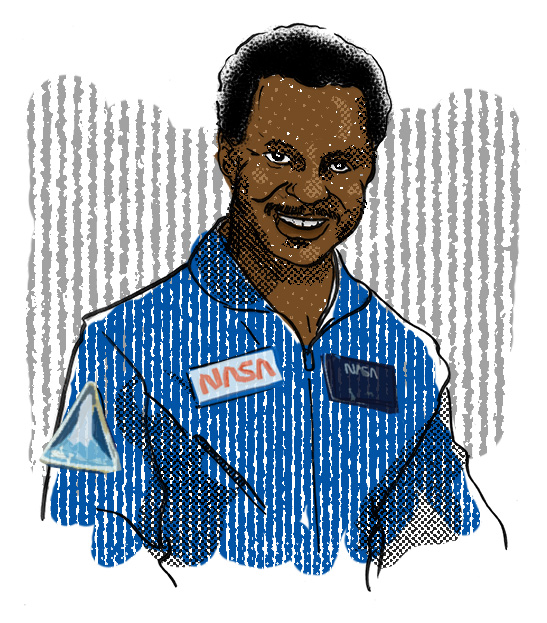
In 1959, nine-year old Ron McNair wanted to check out some books for the Lake City Public Library in his native South Carolina. The library, however, was segregated and Ron, who was African-American was denied his request. Hurt and angered, he refused to leave. His mother was called, along with local police. After much discussion and negotiations, Ron was permitted to leave with several books.
That eager-to-learn young man went on to become valedictorian of his high school graduating class. He furthered his studies at North Carolina Agricultural and Technical State University and earned Bachelor of Science degree in engineering physics, magna cum laude. Ron later received a PhD in Physics from MIT and became well respected in the field of laser physics.
In 1978, Ron was chosen to join the NASA astronaut program. He trained extensively and in 1984, he became the second African-American to go up in space. In January 1986, Ron was killed along with the other crew members of the Space Shuttle Challenger when it exploded 73 seconds into its mission. Ron was 35 years old.
In 2011, The Lake City Public Library was renamed in his honor and memory.